Understanding Mulch vs Rock Landscaping: Key Insights
September 3, 2025Understanding When to Fertilize Lawn for Healthy Growth
September 5, 2025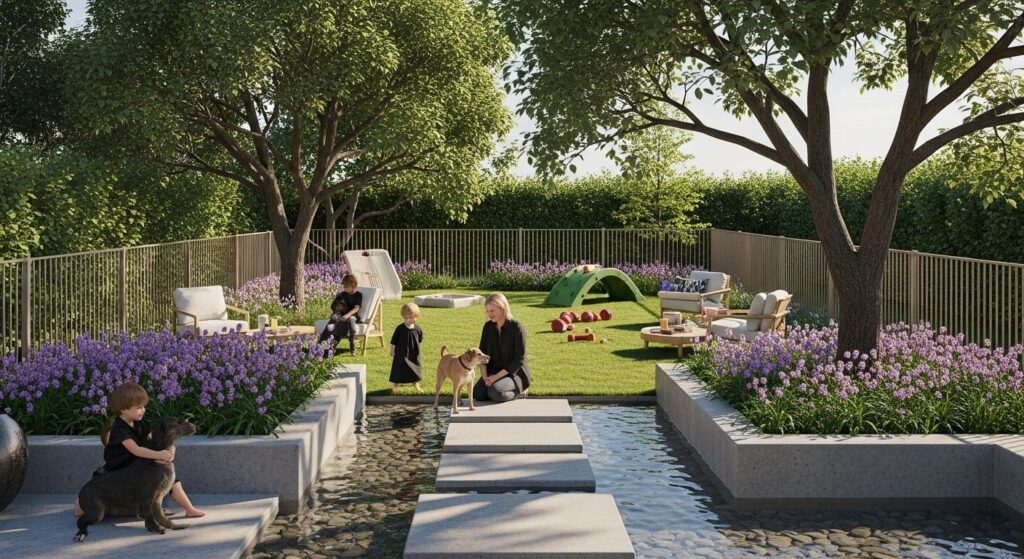
Pets love to explore every inch of the backyard. Choosing the wrong plants or surfaces can put them at risk and even endanger their health. More than 700 common garden plants are actually toxic to dogs and cats according to the ASPCA. Most people focus on curb appeal when planning their landscape but keeping pets safe is actually the smartest move for a happy yard.
Table of Contents
- Choose Non-Toxic Plants For Your Garden
- Create Designated Play Areas For Pets
- Opt For Durable Ground Cover And Surfaces
- Incorporate Safe Fencing And Barriers
- Plan For Shade And Cool Spaces
- Install Pet-Friendly Pathways
- Ensure Safe Water Features
Quick Summary
| Takeaway | Explanation |
|---|---|
| Choose non-toxic plants for pets | Select pet-safe plants to prevent accidental poisoning in your garden. Avoid toxic ones like sago palms and lilies. |
| Create designated play areas | Design specific zones with durable ground surfaces for pets to play safely, reducing potential damage to your landscaping. |
| Opt for durable pathways | Use smooth, non-slip materials for pathways that provide comfort and safety for pets while enhancing overall landscape aesthetics. |
| Ensure safe water features | Design water features to be shallow and with non-slip surfaces, maintaining clean, circulating water to prevent health hazards for pets. |
| Incorporate shade options | Provide multiple shaded areas using trees or structures to protect pets from heat stress, ensuring their comfort during hot weather. |
1: Choose Non-Toxic Plants for Your Garden
Creating a pet friendly landscaping approach begins with selecting plants that are safe for your furry companions. While a beautiful garden might look appealing, certain plants can pose serious health risks to dogs, cats, and other pets who explore outdoor spaces. Understanding which plants are toxic versus non-toxic is crucial for preventing accidental poisoning.
According to the ASPCA, several common garden plants can be harmful to pets. Some plants to avoid completely include:
- Sago palms
- Azaleas
- Rhododendrons
- Oleanders
- Foxglove
- Lilies
Instead, focus on incorporating pet-safe alternatives that create a beautiful landscape without compromising animal health. Excellent non-toxic options include herbs like rosemary and lavender, which not only look attractive but also provide pleasant aromatics. Flowering plants such as asters, sunflowers, and sage can add color and visual interest while remaining completely safe for curious pets.
When designing your garden, consider consulting local nurseries or veterinary resources to confirm plant safety. Take time to research each species before introducing it to your outdoor space. Creating a comprehensive plant inventory that identifies potential risks can help prevent accidental pet exposure to toxic vegetation.
Remember that pet friendly landscaping is about balancing aesthetic appeal with animal safety. By making informed plant selections, you can develop a beautiful outdoor environment where both your garden and your pets can thrive harmoniously. Explore our sustainable landscaping practices to learn more about creating pet-friendly outdoor spaces.
2: Create Designated Play Areas for Pets
Designing specific zones for your pets within your landscape helps manage their activities and protects your garden’s overall aesthetic. Strategic pet play areas can minimize landscape damage while providing safe, engaging spaces for your furry companions. By thoughtfully planning these designated zones, you create boundaries that benefit both your outdoor environment and your pets.
When establishing pet play areas, consider several critical elements:
- Durable ground surfaces like pea gravel or specialized pet turf
- Clear boundaries using low decorative fencing or landscape edging
- Shade provisions for comfort during hot days
- Easy cleaning and drainage capabilities
Research from Colorado State University Extension suggests that selecting appropriate ground materials is crucial. Materials like compacted decomposed granite or rubber mulch can withstand pet traffic while providing comfortable surfaces for walking and playing.
Thoughtful placement is equally important. Position play zones away from delicate garden beds, vegetable gardens, and sensitive plant areas. Consider proximity to water sources, accessibility from your home, and natural shade patterns. Installing a small water feature or drinking station within the play area can encourage pets to remain in their designated space.
Incorporate engaging elements like climbing structures, digging zones, or interactive toys to make the area more appealing. Different pets have different preferences, so observe your animal’s behaviors and design accordingly. Some dogs might enjoy open spaces for running, while others prefer more enclosed, secure environments.
Discover innovative backyard design solutions that can help you create the perfect pet play area. With careful planning, you can develop a landscape that keeps both your pets and your garden happy and healthy.
3: Opt for Durable Ground Cover and Surfaces
Choosing the right ground surfaces is fundamental to creating a pet friendly landscaping environment that withstands active animal traffic while maintaining aesthetic appeal. Different ground covers offer varying levels of durability, comfort, and maintenance requirements, making selection a critical aspect of landscape design.
According to Rutgers Cooperative Extension, some ground covers perform exceptionally well in high-traffic pet areas. Recommended options include:
- Clover
- Buffalo grass
- Hardy fescue varieties
- Artificial turf
- Pea gravel
Artificial turf presents an excellent solution for pet owners seeking low-maintenance, resilient ground surfaces. Modern synthetic grass options provide drainage, easy cleaning, and resistance to digging and wear. They eliminate mud problems and reduce maintenance compared to traditional grass lawns.
Natural alternatives like specific grass types and ground covers can also withstand pet activity. Clover, for instance, remains robust under dog traffic, provides good ground coverage, and requires minimal maintenance. Buffalo grass offers another robust option, tolerating compaction and providing a soft walking surface for pets.
Consider additional factors when selecting ground surfaces:
- Drainage capabilities
- Ease of cleaning
- Comfort for pet paws
- Resistance to wear and tear
- Temperature regulation
Pea gravel offers another practical solution, providing excellent drainage and creating a stable walking surface. Its small, rounded stones prevent mud formation and allow easy waste removal. Proper ground cover selection can significantly reduce landscape maintenance and create a more enjoyable outdoor space for both pets and owners.
Learn more about landscaping material options to make informed decisions about your pet friendly landscape design. Thoughtful surface selection ensures a durable, attractive outdoor environment that meets both aesthetic and functional requirements.
4: Incorporate Safe Fencing and Barriers
Pet friendly landscaping requires strategic fencing solutions that balance security with aesthetic appeal. Proper barriers not only keep pets safe but also define landscape boundaries and prevent potential escape attempts. Understanding the nuanced requirements for effective pet containment is crucial for responsible pet owners.
When designing fencing for pet areas, consider the following critical elements:
- Height appropriate to your pet’s size and jumping ability
- Minimal gaps or potential escape points
- Durable materials that resist chewing and digging
- Visibility to prevent territorial stress
- Smooth surfaces that prevent injury
According to the American Kennel Club, different pets require different fencing approaches. Large dogs might need taller, more robust barriers, while smaller pets require closer attention to potential gaps and underground escape routes.
Material selection plays a significant role in creating effective pet barriers. Vinyl fencing offers smooth surfaces that prevent climbing and reduce potential injury risks. Wrought iron provides visibility and durability, allowing pets to see beyond their contained area while maintaining secure boundaries. Wood fencing can be effective but requires careful design to prevent potential weaknesses.
Beyond traditional fencing, consider additional barrier strategies:
- Underground wire barriers
- Electronic invisible fence systems
- Landscaped border deterrents
- Decorative garden walls
Modern pet containment goes beyond simple physical barriers. Integrating natural landscape elements like dense shrubs, strategically placed rock borders, or terraced garden designs can create beautiful yet functional boundaries that keep pets secure.
Explore innovative landscape design techniques that seamlessly incorporate pet safety with aesthetic outdoor living spaces. The goal is creating an environment where pets feel secure and owners enjoy peace of mind.
5: Plan for Shade and Cool Spaces
Creating comfortable outdoor environments for pets involves strategic shade planning, protecting them from potential heat exhaustion and sunburn during warm summer months. Pets are particularly vulnerable to temperature extremes, making thoughtful landscape design crucial for their health and comfort.
Consider incorporating shade solutions that provide multiple benefits:
- Mature trees with wide canopies
- Pergolas with climbing plants
- Shade sails
- Covered patio areas
- Strategic landscape structures
According to veterinary research from Colorado State University, pets can experience heat stress quickly, with temperatures above 80 degrees Fahrenheit posing significant health risks. Providing multiple cool retreat options is essential for pet safety.
Natural shade elements offer the most effective cooling solutions. Deciduous trees like maple, oak, and elm provide excellent coverage during summer while allowing sunlight during winter months. These living shade structures not only cool the environment but also contribute to overall landscape aesthetics and ecosystem health.
Additional cooling strategies for pet friendly landscapes include:
- Installing small water features
- Creating gravel or stone areas with natural cooling properties
- Using light colored ground surfaces that reflect heat
- Positioning shade areas near water sources
Synthetic shade structures can complement natural options, offering consistent protection regardless of vegetation growth. Shade sails, pergolas, and covered patios provide immediate relief and can be designed to integrate seamlessly with your overall landscape design.
Explore innovative landscape design techniques that prioritize pet comfort and safety. By implementing thoughtful shade planning, you create an outdoor space that keeps your pets cool, comfortable, and protected throughout the year.
6: Install Pet-Friendly Pathways
Pet friendly landscaping requires carefully designed pathways that accommodate both animal movement and aesthetic preferences. Thoughtful pathway design goes beyond simple functionality, creating routes that are comfortable, safe, and visually appealing for pets and their owners.
Consider these critical pathway characteristics:
- Smooth, even surfaces
- Non-slip materials
- Adequate width for different pet sizes
- Temperature-neutral surfaces
- Easy maintenance capabilities
According to Colorado State University Extension, pathway selection significantly impacts pet comfort and landscape durability. Different materials offer varying benefits for pet movement and landscape integration.
Natural stone pavers provide an excellent pathway solution, offering durability and aesthetic versatility. Materials like flagstone, slate, or decomposed granite create stable walking surfaces that remain cool during summer and provide good traction. These materials can be strategically arranged to guide pet traffic while complementing overall landscape design.
Additional pathway considerations include:
-
Gradual slope design
-
Rounded or bevelled edges
-
Consistent surface texture
-
Integration with pet play zones
-
Drainage capabilities
Artificial turf pathways offer another innovative solution, providing consistent texture and minimal maintenance. These synthetic surfaces can be installed with proper drainage, creating seamless connections between different landscape areas while offering comfortable walking surfaces for pets.
Pathway design should anticipate your pet’s natural movement patterns, creating intuitive routes that feel natural and encourage desired traffic flow. Curved pathways can be more engaging for pets, reducing boredom and providing mental stimulation during outdoor exploration.
Discover landscape design innovations that transform ordinary outdoor spaces into pet friendly environments. By prioritizing thoughtful pathway design, you create landscapes that are both functional and enjoyable for your animal companions.
7: Ensure Safe Water Features
Water features can transform pet friendly landscapes into dynamic, engaging environments, providing both aesthetic appeal and functional benefits for pets. However, designing safe water elements requires careful planning to prevent potential hazards and ensure animal comfort.
Key considerations for pet safe water features include:
- Shallow design with gradual slopes
- Non-slip surfaces
- Easy entry and exit points
- Clean, circulating water
- Filtered and regularly maintained systems
According to veterinary research from the American Veterinary Medical Association, standing water can pose significant health risks, including potential bacterial growth and insect breeding. Dynamic water features with continuous circulation offer the safest option for pets.
Designing water features with pet safety in mind involves multiple strategic approaches. Fountains with low, gently sloped edges allow pets to drink and cool down without risk of drowning. Ceramic or stone basin designs with textured surfaces provide better traction, reducing slip hazards. Consider incorporating multiple water access points to accommodate different pet sizes and mobility levels.
Additional water feature safety strategies include:
- Installing protective barriers
- Using pet friendly filtration systems
- Maintaining consistent water quality
- Positioning features away from high traffic areas
- Regular cleaning and maintenance
Automatic water dispensers and self-cleaning systems can provide additional convenience, ensuring fresh water is always available. Some modern designs integrate seamlessly with landscape architecture, creating both functional drinking stations and visually appealing elements.
Explore innovative landscape water design solutions that prioritize pet safety and comfort. By implementing thoughtful water feature design, you create an outdoor space that keeps your pets hydrated, cool, and protected.
Below is a comprehensive table summarizing the key takeaways and guidelines for creating a pet friendly landscape as detailed in the article.
| Tip / Section | Key Points & Suggestions | Benefits for Pets & Owners |
|---|---|---|
| Choose Non-Toxic Plants | Research and select non-toxic plants (e.g., rosemary, lavender, asters); avoid toxic species like lilies, sago palms; consult reliable resources before planting. | Prevents accidental poisoning and keeps pets safe outdoors. |
| Create Designated Play Areas | Define specific play zones with durable ground covers (pea gravel, pet turf), fencing, and shade; ensure easy cleaning and comfort; incorporate toys and features based on pet preference. | Reduces landscape damage and ensures safe, enjoyable activity spaces for pets. |
| Opt for Durable Ground Cover & Surfaces | Use hardy, pet-tolerant surfaces such as clover, buffalo grass, artificial turf, or pea gravel; prioritize drainage, comfort, and ease of maintenance. | Keeps landscaping attractive, minimizes maintenance, and stands up to pet traffic. |
| Incorporate Safe Fencing & Barriers | Install fences suited to pet size and abilities, use durable and safe materials (vinyl, wrought iron), and eliminate escape points; supplement with natural barriers and landscape features. | Ensures pet security and peace of mind for owners while enhancing aesthetics. |
| Plan for Shade & Cool Spaces | Strategically add natural (trees) and synthetic (shade sails, pergolas) shade; provide cool retreat zones, use materials and placements for temperature regulation. | Protects pets from heat stress and increases comfort during hot weather. |
| Install Pet-Friendly Pathways | Design smooth, non-slip, temperature-neutral pathways (stone pavers, artificial turf); consider natural pet movement, integrate with play zones, and plan for drainage and easy upkeep. | Promotes safe, comfortable movement and guides pets away from sensitive areas. |
| Ensure Safe Water Features | Incorporate shallow, easy-entry water features with circulating, clean water and non-slip surfaces; regularly maintain and use pet-safe designs; position safely in landscape. | Keeps pets hydrated, cool, and avoids water-related hazards or illness risks. |
Ready to Create a Truly Pet Friendly Landscape in Calgary?
Your pets deserve an outdoor space that is as safe as it is welcoming, and as a homeowner or business owner, you face very real challenges. From worrying about toxic plants and worn-down lawns to keeping your animals comfortable throughout every season, these landscaping decisions can feel overwhelming. The article above outlines how choosing non-toxic plants, durable ground covers, safe fencing, and comfortable shade areas are essential steps to achieving a harmonious outdoor environment for both pets and people. But without expert help, transforming those tips into reality can be difficult and time-consuming.
At Ace Landscapes, we understand what it means to design and maintain Calgary landscapes that prioritize your pets’ safety and happiness. Our team specializes in custom landscape design and installation, including choosing pet-safe plants, building play zones, and installing ground covers and water features that withstand even the busiest four-legged family members. Our commitment to quality workmanship and attention to detail means you get a beautiful, functional, and pet friendly outdoor space—without the guesswork.
Take the guesswork out of your landscaping. Visit Ace Landscapes today to schedule your personalized landscape assessment and discover how we can help you turn the tips from this article into a safe, stunning reality for your pets and your property.
Frequently Asked Questions
What are some non-toxic plants for a pet-friendly garden?
Incorporate herbs like rosemary and lavender, or flowering plants such as asters, sunflowers, and sage. These plants are safe for pets and can enhance your garden’s beauty.
How can I create designated play areas for my pets in the garden?
Designate specific zones using durable ground surfaces like pea gravel or pet turf, install low fencing for boundaries, and ensure shade and drainage for pet comfort.
What materials are best for pet-friendly pathways?
Natural stone pavers, such as flagstone or slate, and artificial turf provide durable, non-slip, and visually appealing options for pet pathways while ensuring comfort for your pets.
What should I consider when installing water features in a pet-friendly landscape?
Ensure the water feature has a shallow design with gradual slopes, non-slip surfaces, and clean, circulating water to keep pets safe. Regular maintenance is essential to prevent health risks from standing water.