
What Is Property Maintenance? Calgary Guide for 2025
August 4, 2025
Landscaping for Sloped Yards: Calgary Solutions for 2025
August 6, 2025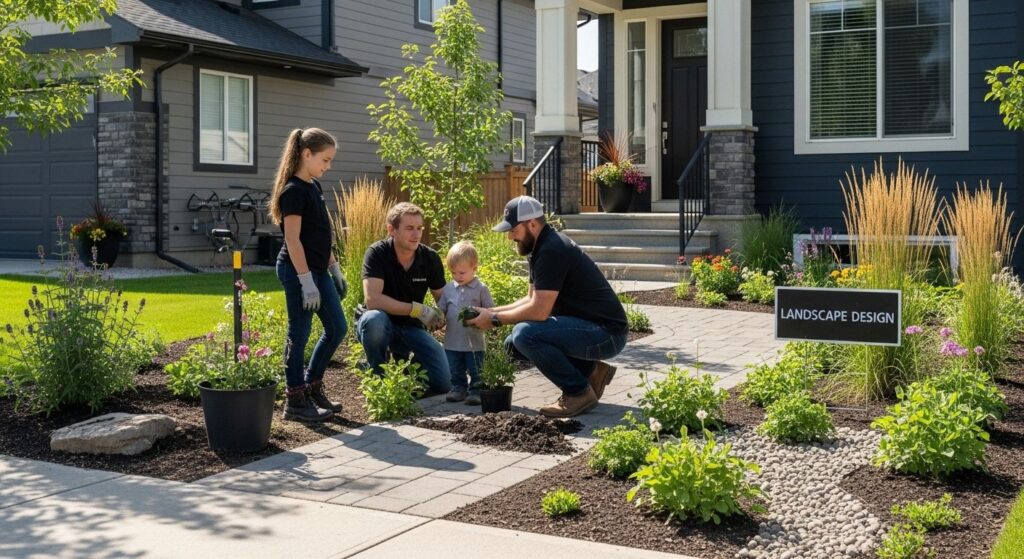
Sustainable landscape design is making waves across Calgary, and not just for its environmental benefits. Think about this. Eco-friendly landscaping can increase Calgary property values by up to 15 percent, offering way more than just a pretty yard. Most people talk about going green to save the planet, but the real surprise is how much money and long-term value these choices bring for homeowners and businesses.
Table of Contents
- Why Sustainable Landscape Design Matters In Calgary
- Key Elements Of Eco-Friendly Outdoor Spaces
- Practical Steps For Sustainable Landscaping
- Cost Savings And Value For Calgary Property Owners
Quick Summary
| Takeaway | Explanation |
|---|---|
| Sustainable landscaping enhances property value. | Eco-friendly designs can increase property values by 6% to 15% in Calgary’s real estate market. |
| Utilize native plants for better resilience. | Native plants thrive in local conditions, requiring less water and maintenance while supporting local biodiversity. |
| Invest in water-efficient design strategies. | Techniques such as rainwater harvesting reduce water consumption and enhance landscape sustainability, saving money over time. |
| Focus on soil health for optimal growth. | Healthy soil improves plant resilience and reduces reliance on chemical fertilizers, promoting a balanced ecosystem. |
| Consider long-term financial benefits of sustainable design. | Although initial costs may be higher, ongoing savings in water, maintenance, and energy make it a wise investment. |
Why Sustainable Landscape Design Matters in Calgary
Sustainable landscape design represents more than an aesthetic choice for Calgary homeowners and businesses. It is a critical strategy for environmental preservation, resource conservation, and creating resilient outdoor spaces that can withstand the region’s unique climate challenges.
Environmental Impact and Climate Adaptation
Calgary’s ecosystem demands thoughtful landscape approaches that go beyond traditional gardening. The University of Calgary’s 2020 Landscape Plan demonstrates how strategic landscape design can significantly contribute to urban biodiversity and climate resilience. Native plant selections and water-efficient designs help mitigate environmental stress while supporting local wildlife ecosystems.
The city’s challenging climate requires innovative solutions. Sustainable landscape design addresses multiple environmental concerns simultaneously. By implementing native vegetation and water-conscious strategies, property owners can reduce water consumption, minimize erosion, and create habitats that support local pollinators and bird species.
Water Conservation and Resource Management
Calgary’s YardSmart program highlights the critical importance of sustainable landscaping practices. Drought-resistant gardens and reduced lawn areas represent strategic approaches to water management. These design principles not only conserve precious water resources but also decrease maintenance requirements and associated costs.
Sustainable landscape designs incorporate advanced techniques like rainwater harvesting, efficient irrigation systems, and strategic plant placement. These methods enable property owners to create beautiful outdoor spaces while minimizing environmental impact. By selecting plants adapted to Calgary’s specific climate conditions, landscapes can thrive with minimal external intervention.
Economic and Property Value Benefits
Beyond environmental advantages, sustainable landscape design offers substantial economic benefits. Properties featuring environmentally conscious landscaping often experience increased market value and attract environmentally aware buyers. Native plant gardens require less maintenance, reduce long-term landscaping expenses, and create visually appealing spaces that stand out in the real estate market.
Commercial properties can leverage sustainable design to demonstrate corporate environmental responsibility. Thoughtfully designed landscapes can reduce operational costs, improve employee and customer experiences, and communicate a commitment to ecological stewardship. From reducing energy consumption to managing stormwater effectively, sustainable landscape design represents a smart investment in both environmental and economic terms.
As Calgary continues to grow and face evolving environmental challenges, sustainable landscape design emerges as a crucial strategy for responsible property management and environmental preservation.
Key Elements of Eco-Friendly Outdoor Spaces
Creating eco-friendly outdoor spaces requires strategic planning and thoughtful design approaches that balance aesthetic appeal with environmental sustainability. For Calgary property owners, understanding the fundamental elements of sustainable landscape design can transform ordinary outdoor areas into resilient, resource-efficient ecosystems.
Native Plant Selection and Biodiversity
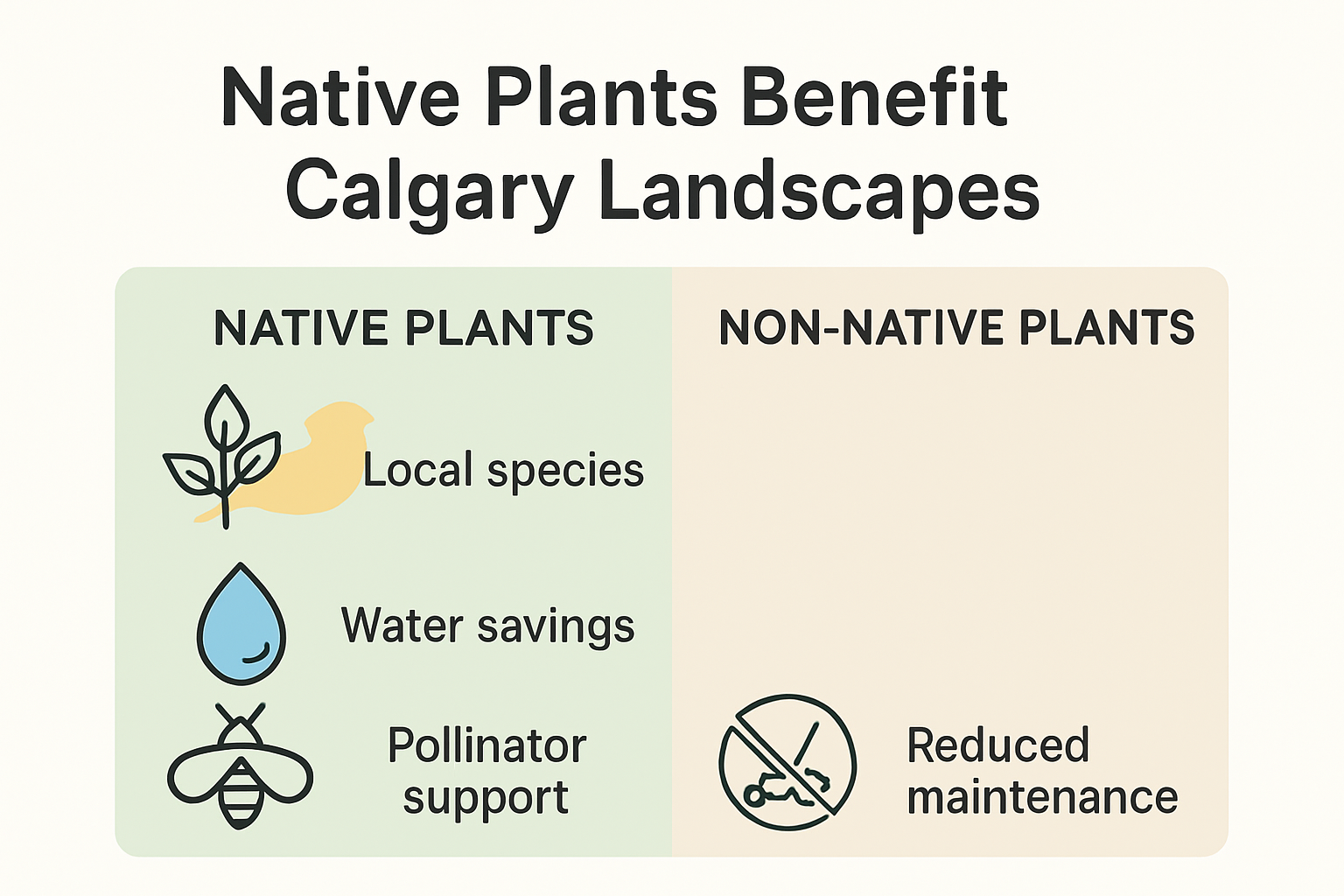
Selecting the right vegetation is crucial for developing eco-friendly landscapes. The US National Park Service emphasizes the importance of choosing native plants that naturally thrive in local conditions. In Calgary’s climate, this means selecting drought-resistant species like prairie grasses, wildflowers, and shrubs that require minimal water and maintenance.
Native plant selections provide multiple ecological benefits. They support local pollinators, create habitats for beneficial insects and birds, and contribute to regional biodiversity. These plants have evolved to withstand local temperature fluctuations, reducing the need for supplemental watering, fertilizers, and extensive care. By prioritizing indigenous plant species, property owners can create landscapes that are both beautiful and environmentally intelligent.
Water Management and Conservation Strategies
Effective water management stands as a cornerstone of sustainable landscape design. Innovative techniques like rainwater harvesting, strategic irrigation, and permeable surface design can dramatically reduce water consumption. Calgary’s water conservation guidelines recommend implementing rain gardens, utilizing drip irrigation systems, and designing landscapes that naturally capture and filter stormwater.
Property owners can incorporate features such as bioswales, which help manage water runoff while preventing soil erosion. These engineered channels not only redirect water efficiently but also filter pollutants and recharge groundwater systems. Mulching and ground cover techniques further support water retention, reduce evaporation, and maintain soil health without requiring excessive irrigation.
Sustainable Hardscaping and Material Selection
Beyond plant choices, the materials and structural elements used in landscape design significantly impact environmental sustainability. Selecting locally sourced, recycled, or low-impact materials can reduce the carbon footprint of outdoor spaces. Permeable paving materials like gravel, natural stone, and specialized concrete alternatives allow water absorption while creating attractive, functional surfaces.
Consider incorporating recycled materials such as reclaimed wood for decking, locally quarried stones for pathways, and environmentally responsible composites for structural elements. These choices not only minimize environmental impact but also create unique, textured landscapes that reflect Calgary’s natural beauty. Smart hardscaping design can improve drainage, reduce heat island effects, and create more energy-efficient outdoor environments.
By integrating these key elements thoughtfully, Calgary property owners can develop eco-friendly outdoor spaces that are resilient, beautiful, and environmentally responsible. Sustainable landscape design is not just about aesthetic appeal but about creating living systems that support local ecosystems, conserve resources, and adapt to changing environmental conditions.
Practical Steps for Sustainable Landscaping
Transforming outdoor spaces into sustainable landscapes requires deliberate and strategic actions. Calgary property owners can implement practical steps that enhance environmental performance while creating beautiful, functional outdoor environments.
Soil Health and Preparation
The U.S. Department of Energy recommends focusing on foundational landscape elements, with soil health being paramount. Sustainable landscaping begins with comprehensive soil assessment and preparation. Conduct soil tests to understand nutrient composition, pH levels, and drainage characteristics. Incorporate organic compost to improve soil structure, enhance water retention, and provide natural nutrients that support plant growth.
Preparing soil sustainably involves minimizing chemical interventions and prioritizing natural amendments. Use locally sourced compost, create mulch from yard waste, and avoid synthetic fertilizers that can disrupt natural ecosystem balance. Healthy soil acts as a living system, supporting robust plant growth while sequestering carbon and promoting biodiversity.
To help visualize the core steps toward sustainable landscaping in Calgary, the following table summarizes the practical actions recommended in the article:
| Step | Action | Benefit |
|---|---|---|
| 1 | Conduct soil test and analysis | Determines nutrient needs and soil health |
| 2 | Incorporate organic compost & mulch | Improves soil fertility, supports water retention |
| 3 | Select native, drought-resistant plants | Reduces water use, lowers maintenance |
| 4 | Implement water-efficient irrigation (e.g., drip) | Saves water, targets plant roots directly |
| 5 | Create rainwater harvesting systems | Provides supplemental irrigation & conserves municipal water |
| 6 | Group plants by water needs (hydrozoning) | Increases efficiency, prevents overwatering |
| 7 | Use recycled & local hardscape materials | Lowers carbon footprint, supports sustainability |
Water-Efficient Design Techniques
Water conservation represents a critical component of sustainable landscape design in Calgary’s semi-arid climate. Implement strategic design techniques that minimize water consumption while maintaining attractive outdoor spaces. Group plants with similar water requirements together, a practice known as hydrozoning, which allows for targeted irrigation and reduces overall water waste.
Install drip irrigation systems that deliver water directly to plant roots, reducing evaporation and improving efficiency. Consider incorporating rainwater collection systems that capture precipitation for landscape irrigation. Utilize smart irrigation controllers that adjust watering schedules based on weather conditions, ensuring optimal water usage without manual intervention.
Native Plant and Ecosystem Integration
Designing landscapes that work harmoniously with local ecosystems requires thoughtful plant selection and strategic placement. Focus on native plant species that naturally thrive in Calgary’s climate, requiring minimal maintenance and providing critical habitat for local wildlife. These plants have evolved to withstand regional temperature fluctuations, soil conditions, and precipitation patterns.
Create multilayered landscape designs that incorporate ground covers, shrubs, and trees to develop complex ecosystems. These designs provide multiple benefits: reducing soil erosion, supporting pollinators, moderating temperature, and creating visual interest. Integrate native grasses, wildflowers, and drought-resistant perennials that contribute to local biodiversity while reducing maintenance requirements.
Sustainable landscaping is an ongoing process of observation, adaptation, and refinement. By implementing these practical steps, Calgary property owners can create outdoor spaces that are not just visually appealing but also environmentally responsible. Each landscape becomes a small but significant contribution to broader ecological preservation efforts, demonstrating how individual choices can support regional environmental sustainability.
Cost Savings and Value for Calgary Property Owners
Sustainable landscape design represents more than an environmental commitment it is a strategic financial investment for Calgary property owners. By understanding the economic benefits of eco-friendly outdoor spaces, homeowners and businesses can make informed decisions that yield substantial long-term financial advantages.
To clarify how sustainable landscapes translate to property owner benefits, here is a summary table highlighting the economic impact of various design strategies discussed:
| Sustainability Strategy | Economic Benefit | Supporting Data/Source |
|---|---|---|
| Sustainable landscaping (overall) | Increases property value by 6-15% | University of Florida research |
| Native plant selection | Lowers maintenance and water costs | Article discussion |
| Energy-efficient design (tree placement, etc.) | Reduces A/C needs by up to 30%, heating by 20-50% | Virginia Tech research |
| Reduced turf/lawn area | Lowers water and maintenance bills | YardSmart program, article |
| Water-efficient irrigation & rainwater harvesting | Cuts ongoing irrigation costs | Article discussion |
| Using recycled/local materials | Lowers material/transport expenses, supports local economy | Article discussion |
Property Value Enhancement
Research from the University of Florida reveals that 95% of participants believe well-maintained landscapes significantly enhance property value. Sustainable landscapes can potentially increase property values by 6% to 15%, making them a compelling investment strategy. In Calgary’s competitive real estate market, environmentally conscious landscaping distinguishes properties and attracts discerning buyers who appreciate both aesthetic and ecological considerations.
Commercial properties particularly benefit from sustainable landscape design. Professional spaces featuring native plantings, efficient water management, and environmentally responsible design communicate corporate values and commitment to sustainability. These landscapes create positive first impressions, potentially influencing client perceptions and business opportunities.
Energy and Maintenance Cost Reduction
Virginia Tech research demonstrates that strategic landscaping can reduce energy consumption dramatically. Properly placed trees around buildings can cut air conditioning needs by 30% and decrease heating costs by 20-50%. In Calgary’s variable climate, this translates to significant annual savings on energy expenses.
Sustainable landscapes require substantially less maintenance compared to traditional landscaping. Native plant selections minimize irrigation needs, reduce fertilization requirements, and create resilient outdoor spaces that thrive with minimal intervention. Sustainability research indicates that these design approaches can lead to considerable long-term operational cost reductions.
Long-Term Financial Strategy
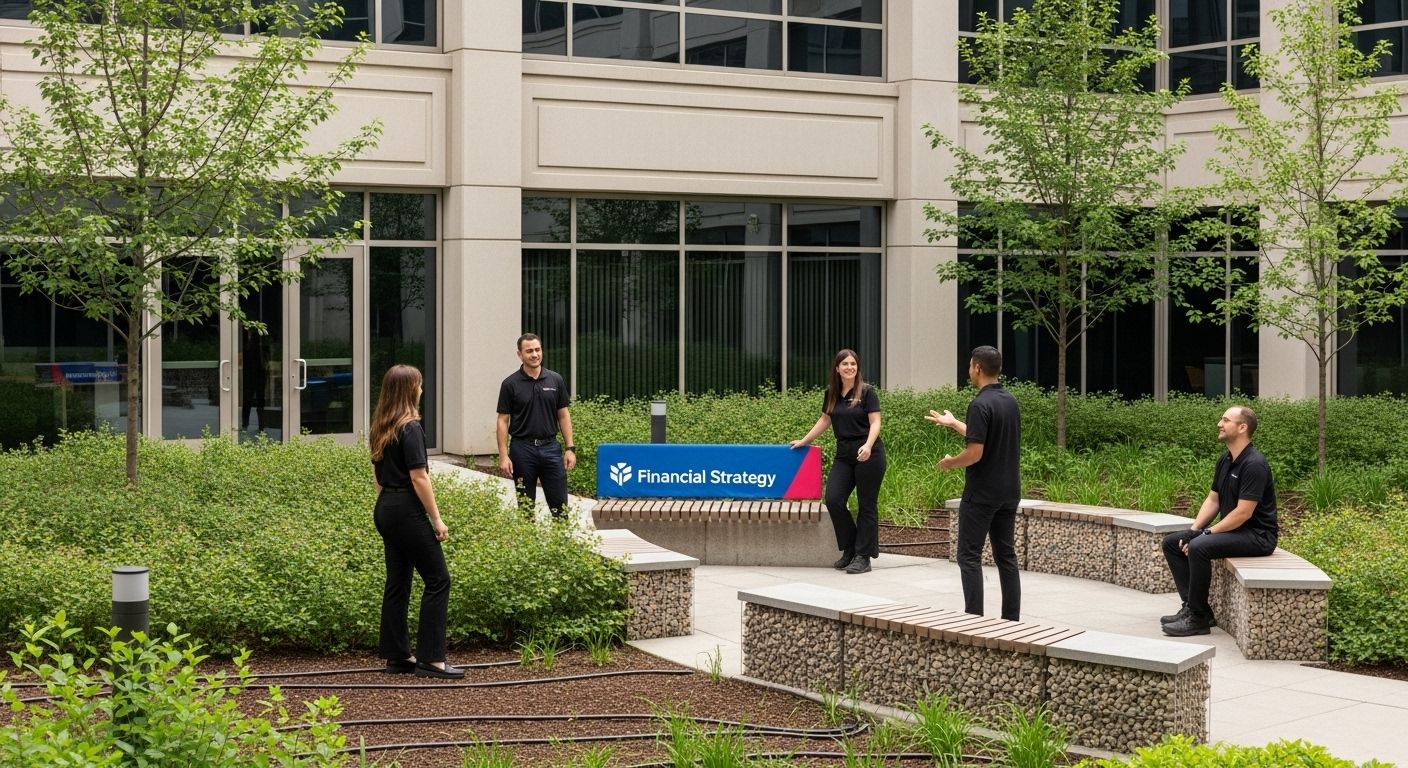
Investing in sustainable landscape design represents a forward-thinking financial approach. While initial implementation might require higher upfront costs, the long-term economic benefits far outweigh these investments. Reduced water consumption, lower maintenance expenses, enhanced property values, and decreased energy costs create a compelling economic argument for sustainable landscaping.
Property owners should view sustainable landscape design as a comprehensive financial strategy. These landscapes not only provide immediate aesthetic and environmental benefits but also serve as a long-term asset that continues to generate value. By prioritizing ecological design principles, Calgary property owners can create outdoor spaces that are both financially prudent and environmentally responsible.
The economic advantages of sustainable landscape design extend beyond immediate financial metrics. They represent an investment in regional environmental health, community resilience, and a sustainable future for Calgary’s urban and suburban landscapes.
Frequently Asked Questions
What are the benefits of sustainable landscape design in Calgary?
Sustainable landscape design offers numerous benefits in Calgary, including increased property values by 6% to 15%, reduced water consumption, enhanced biodiversity, and lower maintenance costs. It also promotes environmental stewardship and climate resilience.
How can I incorporate native plants into my landscape design?
To incorporate native plants, begin by selecting species that thrive in Calgary’s climate. Focus on drought-resistant options and place them strategically based on their water and sunlight needs. Utilizing local resources or consulting local horticultural experts can enhance your selections.
What water-efficient design techniques can I implement?
Consider techniques like rainwater harvesting systems, drip irrigation, and grouping plants based on their water requirements (hydrozoning). These methods reduce water consumption while maintaining healthy landscapes.
How does sustainable landscaping impact long-term property value?
Sustainable landscaping can significantly enhance long-term property value. Properties with eco-friendly designs often attract environmentally conscious buyers and can yield a return on investment through reduced maintenance costs and improved energy efficiency.
Transform Your Calgary Property with Sustainable Landscape Solutions
You have read how sustainable landscape design can boost property value, lower costs, and make a real difference in Calgary’s unique climate. Are you struggling to select native plants, minimize water use, or create an eco-friendly space that actually lasts? Many Calgary property owners feel overwhelmed by conflicting information and limited time. Reliable results and expert guidance are essential to unlocking the full benefits described in this guide.
Do not let uncertainty hold you back from a greener, more valuable property. Let the professionals at Ace Landscapes bring your eco-friendly vision to life. Their team specializes in landscape design, installation, and maintenance for both homes and businesses. See how your landscape can be transformed with native plantings, modern irrigation, and sustainable hardscaping. Browse their project portfolio for real Calgary examples, or contact them now to book your sustainable landscaping assessment. Take the first step toward a beautiful and responsible outdoor space—visit Ace Landscapes today.