
Backyard Transformation Ideas for Calgary: Inspire Your 2025 Landscape
August 8, 2025
What Are Irrigation Systems? Your Calgary Property Guide
August 10, 2025
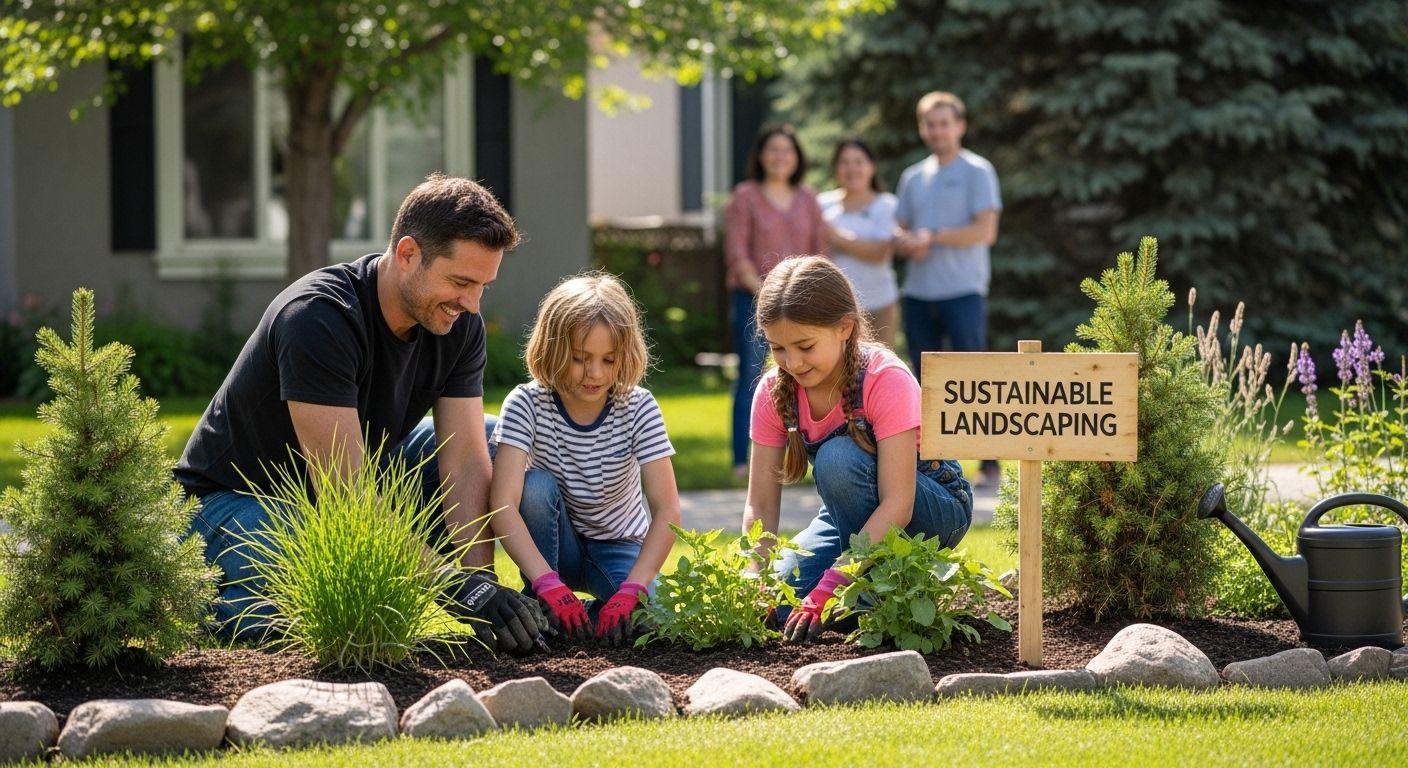
Calgary is quickly reshaping the way we think about our yards and green spaces. Water bills are rising and drought-resistant gardens are no longer rare exceptions. Homeowners using native plants can slash irrigation needs by up to 50 percent compared to traditional landscapes. That sounds impressive but the biggest surprise comes when you realize how little effort these sustainable yards actually take to maintain compared to regular lawns.
Table of Contents
- Eco-Friendly Lawn And Garden Solutions
- Water Conservation Best Practices
- Low-Maintenance Plant Selection For Calgary
- Sustainable Upkeep For Commercial And Residential Spaces
Quick Summary
| Takeaway | Explanation |
|---|---|
| Choose native plants for sustainability | Native plants require less water, maintenance, and support local ecosystems, making them ideal for Calgary’s landscapes. |
| Implement smart irrigation systems | Advanced irrigation technologies, such as smart controllers and drip systems, significantly reduce water consumption and improve efficiency. |
| Utilize rainwater harvesting | Capturing rainwater can provide an independent water source for irrigation, reducing reliance on municipal supplies. |
| Practice organic maintenance | Using organic fertilizers and pest management promotes healthy soil and reduces environmental impact in your garden. |
| Adopt seasonal maintenance strategies | Adjusting maintenance practices for seasonal changes helps protect plants and optimize landscape health in Calgary’s unique climate. |
Eco-Friendly Lawn and Garden Solutions
Sustainable landscaping practices are transforming how Calgary homeowners approach garden and lawn management. By embracing environmentally conscious strategies, property owners can create beautiful outdoor spaces that support local ecosystems while reducing environmental impact.
Native Plant Selection for Sustainable Landscapes
Choosing native plants is a cornerstone of sustainable landscaping in Calgary. Native species are naturally adapted to the local climate and soil conditions, requiring significantly less water and maintenance compared to non-native alternatives. Alberta Native Plant Council recommends selecting plants like prairie coneflower, blue grama grass, and lodgepole pine, which thrive in the region’s challenging environmental conditions.
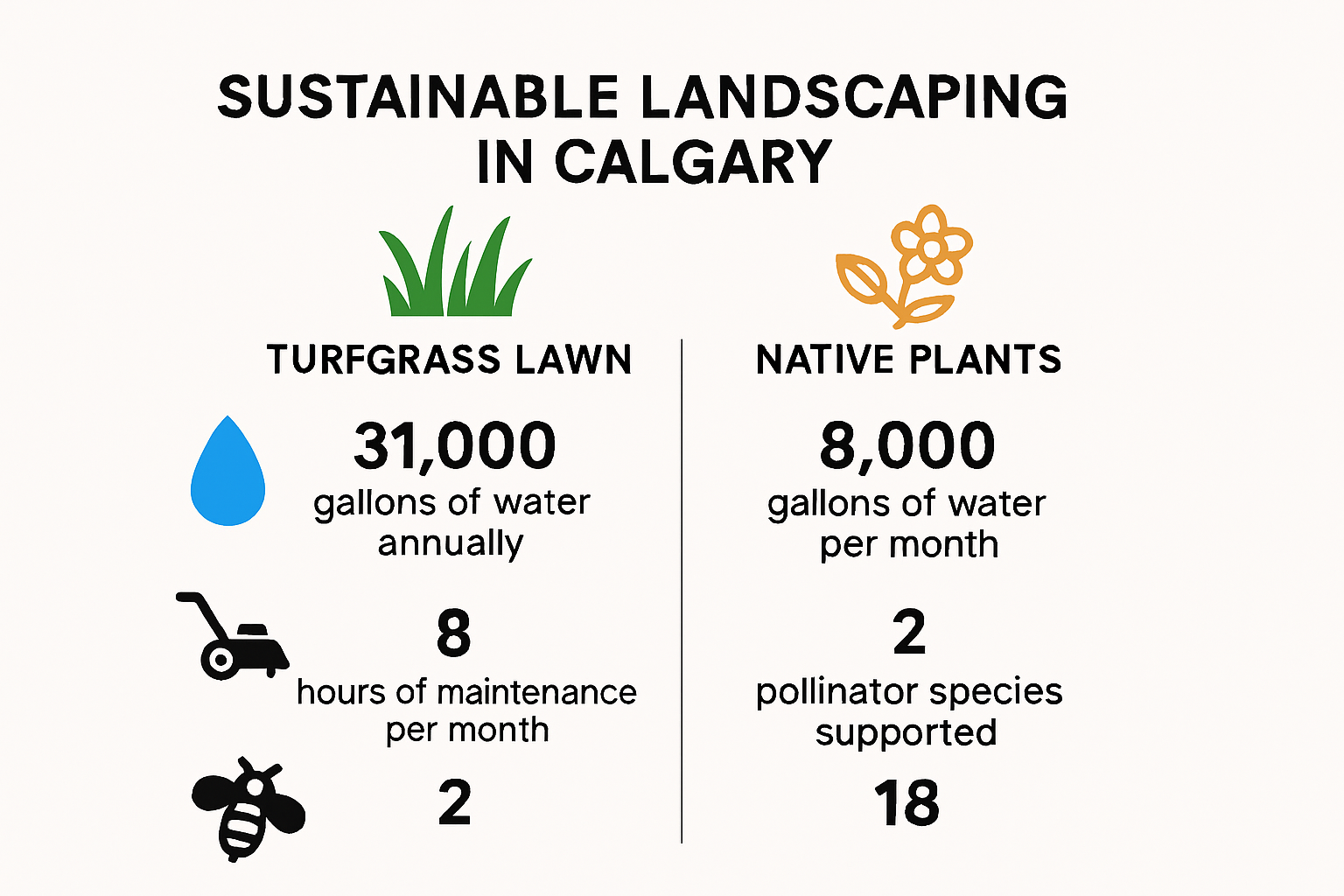
Native plants offer multiple ecological benefits beyond water conservation. They provide critical habitat for local pollinators, support biodiversity, and create resilient landscapes that can withstand Calgary’s extreme temperature fluctuations. By incorporating these plants, homeowners can reduce irrigation needs by up to 50% while creating a landscape that truly belongs in the local ecosystem.
Water-Wise Irrigation and Conservation Techniques
Water management is crucial in sustainable landscaping. City of Calgary Water Services emphasizes the importance of efficient irrigation strategies that minimize water waste. Smart irrigation technologies like drip systems and soil moisture sensors can reduce water consumption by 30-40% compared to traditional sprinkler methods.
Implementing rainwater harvesting systems provides an additional sustainable solution. Collecting rainwater in storage tanks allows homeowners to use natural precipitation for garden irrigation, reducing reliance on municipal water supplies. These systems can be integrated seamlessly into landscape design, offering both functional and aesthetic benefits.
Additionally, homeowners can create water-retention landscapes by incorporating strategies like rain gardens and permeable hardscaping. These techniques help manage stormwater runoff, prevent soil erosion, and naturally filter water before it enters local waterways.
Organic Maintenance and Soil Health
Sustainable landscaping extends beyond plant selection and water management. Organic maintenance practices focus on building healthy soil ecosystems that support plant growth without synthetic chemicals. Composting, using organic fertilizers, and practicing integrated pest management can create a balanced, resilient landscape.
Compost serves as a natural soil amendment, improving soil structure, enhancing nutrient availability, and supporting beneficial microorganisms. By recycling organic waste from gardens and kitchens, homeowners can create a closed-loop system that reduces waste and supports plant health.
Adopting these eco-friendly lawn and garden solutions not only creates visually appealing outdoor spaces but also contributes to broader environmental conservation efforts. Calgary homeowners have the opportunity to transform their properties into sustainable, vibrant ecosystems that support local wildlife and reduce environmental impact.
Water Conservation Best Practices
Water conservation represents a critical component of sustainable landscaping in Calgary, where environmental stewardship and resource management are increasingly important. Homeowners and property managers can significantly reduce water consumption through strategic techniques that protect both ecological systems and municipal water resources.
Smart Irrigation Design and Technology
Environmental Protection Agency guidelines highlight the importance of intelligent irrigation systems that minimize water waste. Advanced technologies now enable precise water management, allowing property owners to optimize outdoor water usage efficiently.
Weather-based smart controllers represent a breakthrough in irrigation technology. These systems automatically adjust watering schedules based on real-time meteorological data, reducing unnecessary water application. By monitoring temperature, humidity, solar radiation, and precipitation, these controllers can decrease irrigation water use by up to 30% compared to traditional fixed scheduling.
Drip irrigation systems offer another sophisticated water conservation approach. Unlike traditional sprinklers that broadcast water broadly, drip systems deliver moisture directly to plant root zones. This targeted approach reduces evaporation and ensures maximum water absorption, making it particularly effective for garden beds, shrub areas, and landscaped zones with diverse plant requirements.
Landscape Design for Water Efficiency
Alberta Environment and Parks recommends strategic landscape design as a fundamental water conservation strategy. Homeowners can create water-efficient landscapes by implementing principles of xeriscaping, which focuses on designing outdoor spaces that require minimal irrigation.
Key xeriscaping techniques include grouping plants with similar water requirements, creating hydrozones that allow for targeted irrigation, and selecting native plant species adapted to local climate conditions. By designing landscapes that naturally align with regional ecological patterns, property owners can reduce water demand by up to 50% compared to traditional landscaping approaches.
Mulching represents another critical water conservation technique. Organic mulch materials like wood chips, bark, and compost help retain soil moisture, reduce evaporation, and regulate ground temperature. A properly applied 2-3 inch mulch layer can decrease water evaporation by approximately 70%, significantly reducing the frequency and volume of required irrigation.
Rainwater Harvesting and Alternative Water Sources
Rainwater harvesting has emerged as an innovative water conservation strategy for Calgary properties. By capturing and storing rainfall from rooftops and other surfaces, homeowners can create independent water sources for landscape irrigation. Modern rainwater collection systems can be seamlessly integrated into landscape designs, providing an environmentally responsible alternative to municipal water supplies.
Additional water conservation strategies include capturing greywater from household activities like laundry and dishwashing. With proper filtration and treatment, greywater can be redirected to landscape irrigation, further reducing dependence on potable water sources. Property owners should consult local regulations and professional landscapers to implement these systems safely and effectively.
Implementing comprehensive water conservation practices requires a holistic approach that combines technological innovation, strategic landscape design, and responsible water management. Calgary homeowners who embrace these principles can create beautiful, resilient outdoor spaces that minimize environmental impact while maintaining aesthetic appeal and ecological functionality.
Below is a comparison of popular water-conservation strategies outlined in this article, highlighting their benefits and unique features for Calgary properties.
| Water Conservation Strategy | Key Benefits | Distinct Features |
|---|---|---|
| Smart Irrigation Controllers | Reduce water use by up to 30% | Weather-responsive, automatic scheduling |
| Drip Irrigation Systems | Maximize root-zone watering, low waste | Direct-to-root delivery, less evaporation |
| Rainwater Harvesting | Independent water supply, eco-friendly | Storage tanks, uses natural precipitation |
| Mulching | Reduces evaporation by ~70%, weed control | Organic materials, regulates soil temp |
| Xeriscaping | Water savings up to 50% | Plant grouping, hydrozones, native species |
| Greywater Reuse | Decreases potable water dependence | Uses household water with treatment |
Low-Maintenance Plant Selection for Calgary
Choosing low-maintenance plants is essential for creating sustainable landscapes in Calgary’s challenging climate. Property owners can develop resilient outdoor spaces that require minimal intervention while supporting local ecosystems and reducing overall landscape management costs.
Native Species for Sustainable Landscapes
City of Calgary YardSmart Program emphasizes the importance of selecting native plants that naturally thrive in the local environment. Native species are exceptionally well-adapted to Calgary’s extreme temperature variations, requiring significantly less water, fertilization, and maintenance compared to non-native alternatives.
Exceptional native plant options include prairie grasses like blue grama and rough fescue, which demonstrate remarkable drought tolerance and provide year-round visual interest. Wildflowers such as prairie crocus, western red lily, and prairie smoke offer beautiful blooms while supporting local pollinator populations. These plants have evolved to withstand Calgary’s challenging conditions, making them ideal for sustainable landscaping.
Trees like trembling aspen, mountain maple, and lodgepole pine represent excellent low-maintenance choices. University of Calgary Sustainability Research highlights these species for their ability to create robust landscape structures that require minimal interventional care and provide critical ecological benefits.
To help homeowners select appropriate native plants for sustainable landscaping, the following table lists recommended native species mentioned in the article along with their benefits and ideal uses.
| Native Plant | Benefits | Ideal Uses |
|---|---|---|
| Prairie Coneflower | Drought-tolerant, supports pollinators | Flower beds, borders |
| Blue Grama Grass | Low water needs, year-round interest | Lawns, ornamental grasses |
| Lodgepole Pine | Hardy, provides structure & shade | Windbreaks, shade trees |
| Prairie Crocus | Early blooms, supports pollinators | Rock gardens, wildflower beds |
| Western Red Lily | Attractive blooms, native pollinator support | Flower beds |
| Prairie Smoke | Unique flowers, low maintenance | Wildflower areas |
| Trembling Aspen | Minimal care, habitat for wildlife | Shade trees, larger yards |
| Mountain Maple | Hardy, fall colour | Understory, multi-layered beds |
Drought-Resistant Plant Strategies
Xeriscaping principles offer strategic approaches to plant selection that minimize water requirements and maintenance needs. According to xeriscaping guidelines, homeowners should group plants with similar water and sunlight requirements, creating efficient landscape zones that reduce overall resource consumption.
Drought-resistant perennials like yarrow, sedum, and blanket flower excel in Calgary landscapes. These plants tolerate extended periods of low moisture, maintaining attractive appearances with minimal irrigation. Ornamental grasses such as feather reed grass and Karl Foerster grass provide structural elements while demonstrating exceptional resilience to local climate conditions.
Succulent varieties including stonecrop and hen-and-chicks offer unique textures and colors while requiring virtually no maintenance. These plants store water efficiently, making them perfect for rock gardens and areas with challenging soil conditions.
Strategic Plant Placement and Design
Successful low-maintenance landscapes depend not just on plant selection but also on strategic placement and design. Creating microclimates that provide natural protection from wind and extreme temperatures can further reduce plant stress and maintenance requirements.
Consider implementing layered planting strategies that mimic natural ecosystems. Combine ground covers, perennials, shrubs, and trees to create diverse, self-supporting landscapes. This approach reduces individual plant vulnerability and creates more resilient outdoor spaces.
Mulching plays a crucial role in low-maintenance plant strategies. A 2-3 inch layer of organic mulch helps retain soil moisture, suppress weed growth, and regulate ground temperature. By reducing water evaporation and improving soil health, mulch supports plant resilience and minimizes ongoing maintenance needs.
Calgary homeowners can transform their outdoor spaces into beautiful, sustainable landscapes by carefully selecting low-maintenance native plants. These strategies not only reduce water consumption and maintenance costs but also contribute to local biodiversity and ecological health.
Sustainable Upkeep for Commercial and Residential Spaces
Sustainable landscape maintenance represents a critical approach for both commercial and residential properties in Calgary, balancing aesthetic appeal with environmental responsibility. Property owners and managers can implement strategic practices that reduce ecological impact while maintaining attractive, functional outdoor spaces.
Integrated Pest Management and Ecological Balance
Environmental Protection Agency guidelines emphasize integrated pest management as a cornerstone of sustainable landscape maintenance. This approach prioritizes natural pest control methods that minimize chemical interventions and protect local ecosystem health.
Natural pest control strategies include introducing beneficial insects like ladybugs and lacewings that prey on destructive garden pests. Companion planting techniques can create natural pest deterrents by strategically positioning plants that repel harmful insects or attract beneficial predators. For instance, marigolds can help protect vegetable gardens by deterring numerous pest species while supporting pollinator populations.
Additional ecological pest management techniques involve maintaining diverse plant communities that naturally resist pest infestations. Healthy, balanced landscapes with varied vegetation are more resilient to pest pressures, reducing the need for chemical treatments. Regular monitoring and early intervention can prevent minor pest issues from escalating into significant landscape challenges.
Efficient Maintenance Practices and Resource Management
General Services Administration recommendations highlight the importance of implementing efficient maintenance practices that conserve resources and minimize environmental impact. This approach encompasses strategic mowing, responsible fertilization, and waste reduction techniques.
Smart mowing practices can significantly reduce landscape maintenance costs and environmental strain. Maintaining grass at appropriate heights promotes deeper root development, improves drought resistance, and reduces water requirements. Leaving grass clippings on lawns provides natural fertilization, returning nutrients to the soil and reducing the need for synthetic amendments.
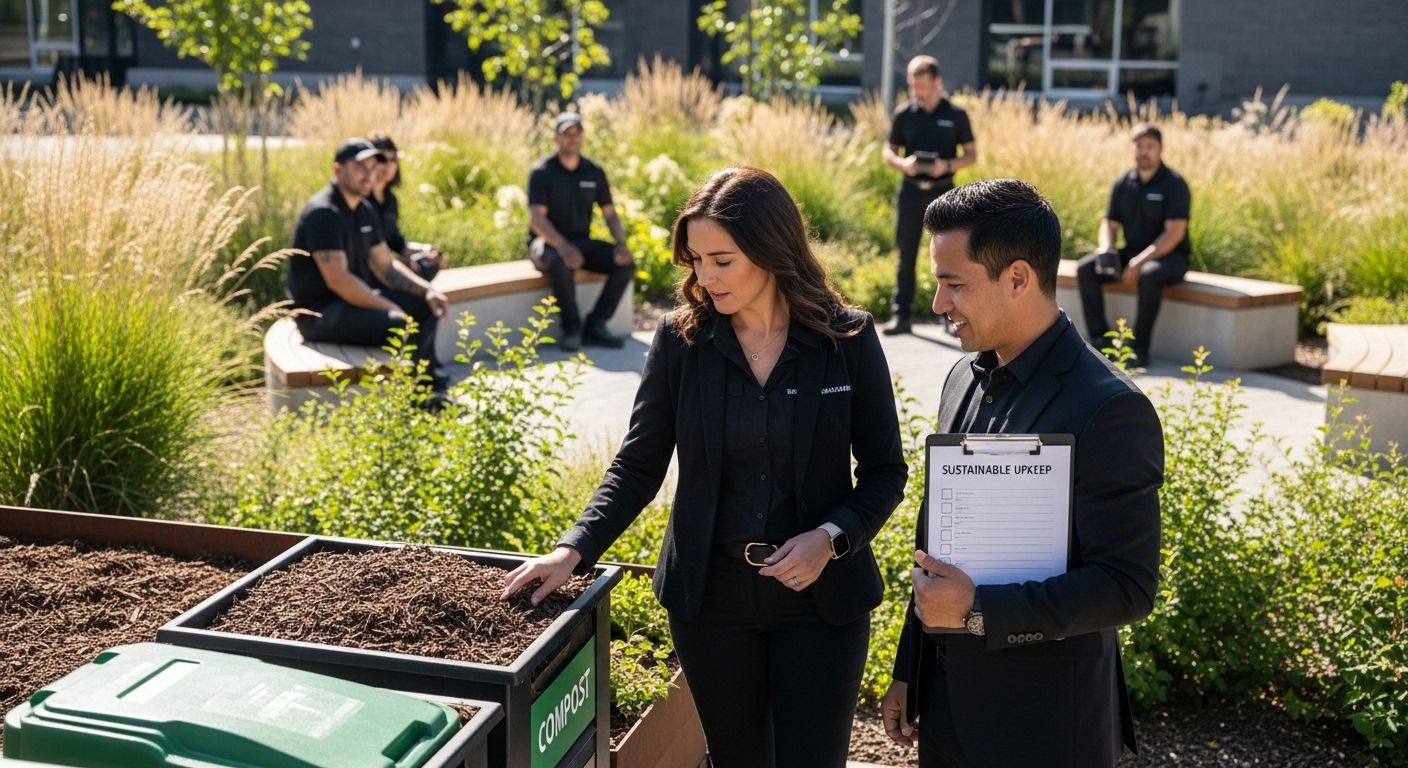
Composting represents another critical sustainable maintenance strategy. By recycling organic landscape waste, property owners can create nutrient-rich soil amendments that support plant health without relying on chemical fertilizers. Composting programs can be implemented at both residential and commercial scales, transforming potential waste into valuable landscape resources.
Seasonal Maintenance and Climate Adaptation
Successful sustainable landscape maintenance requires adaptive strategies that respond to Calgary’s unique seasonal variations. New York State Department of Environmental Conservation principles of ecological landscape management offer valuable insights for creating resilient outdoor spaces.
Winter maintenance should focus on minimizing salt usage and protecting plant ecosystems during harsh conditions. Using alternative de-icing methods like sand or environmentally friendly ice-melting compounds can reduce soil and vegetation damage. Proper mulching and plant protection techniques help safeguard landscape investments during extreme temperature fluctuations.
Spring and fall represent critical periods for landscape renewal and preparation. Comprehensive seasonal clean-up should prioritize soil health, remove invasive species, and prepare landscapes for upcoming environmental challenges. Professional assessment can help identify potential issues and implement proactive maintenance strategies.
By adopting comprehensive sustainable upkeep practices, Calgary property owners can create landscapes that are not just visually appealing but also environmentally responsible. These approaches reduce long-term maintenance costs, support local ecosystems, and contribute to broader environmental conservation efforts.
Frequently Asked Questions
What are the benefits of using native plants in Calgary landscaping?
Native plants are well-adapted to Calgary’s climate, requiring significantly less water and maintenance compared to non-native plants. They support local ecosystems, provide habitat for pollinators, and can reduce irrigation needs by up to 50%.
How can I implement water-wise irrigation techniques in my garden?
You can use smart irrigation systems such as weather-based controllers or drip irrigation to minimize water waste. These technologies ensure efficient water delivery directly to plant roots and adjust watering schedules based on real-time weather data.
What are some organic maintenance practices for sustainable landscaping?
Organic maintenance practices include composting, using organic fertilizers, and implementing integrated pest management. These methods promote healthy soil and plant growth while reducing the reliance on synthetic chemicals and minimizing environmental impact.
How can I create a low-maintenance landscape in Calgary?
To create a low-maintenance landscape, choose native and drought-resistant plants, group them according to their water needs, and apply mulch to retain soil moisture. Additionally, incorporating strategic planting designs and seasonal maintenance can significantly reduce the effort needed to care for your garden.
Ready for a Truly Sustainable Calgary Landscape?
Are you feeling overwhelmed by high water bills and never-ending yard upkeep? The article shows how native plants, smart irrigation, and eco-friendly maintenance can drastically reduce both costs and effort in your outdoor space. However, turning those sustainable goals into reality often means finding help from a reliable local expert.

Let the team at Ace Landscapes bring your vision to life. With unmatched experience in low-maintenance designs, efficient irrigation systems, native plant selections, and full-service seasonal upkeep, we help Calgary homeowners achieve the beauty and savings of sustainable landscaping. Now is the best time to move your property toward a greener future. Visit Ace Landscapes today and take the first step towards a yard that welcomes every season with ease and resilience.