
7 Modern Front Yard Ideas to Transform Your Space
September 1, 2025
Understanding Mulch vs Rock Landscaping: Key Insights
September 3, 2025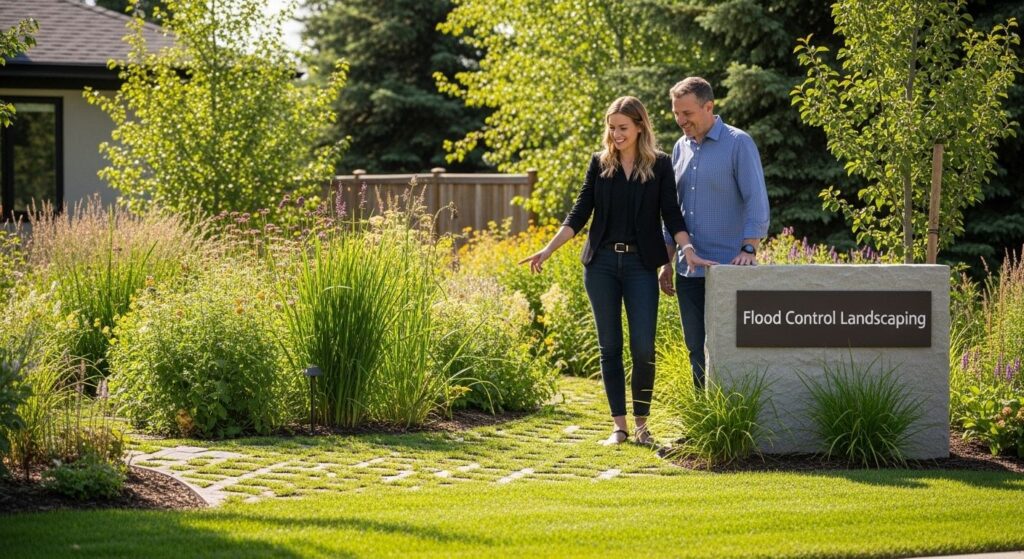
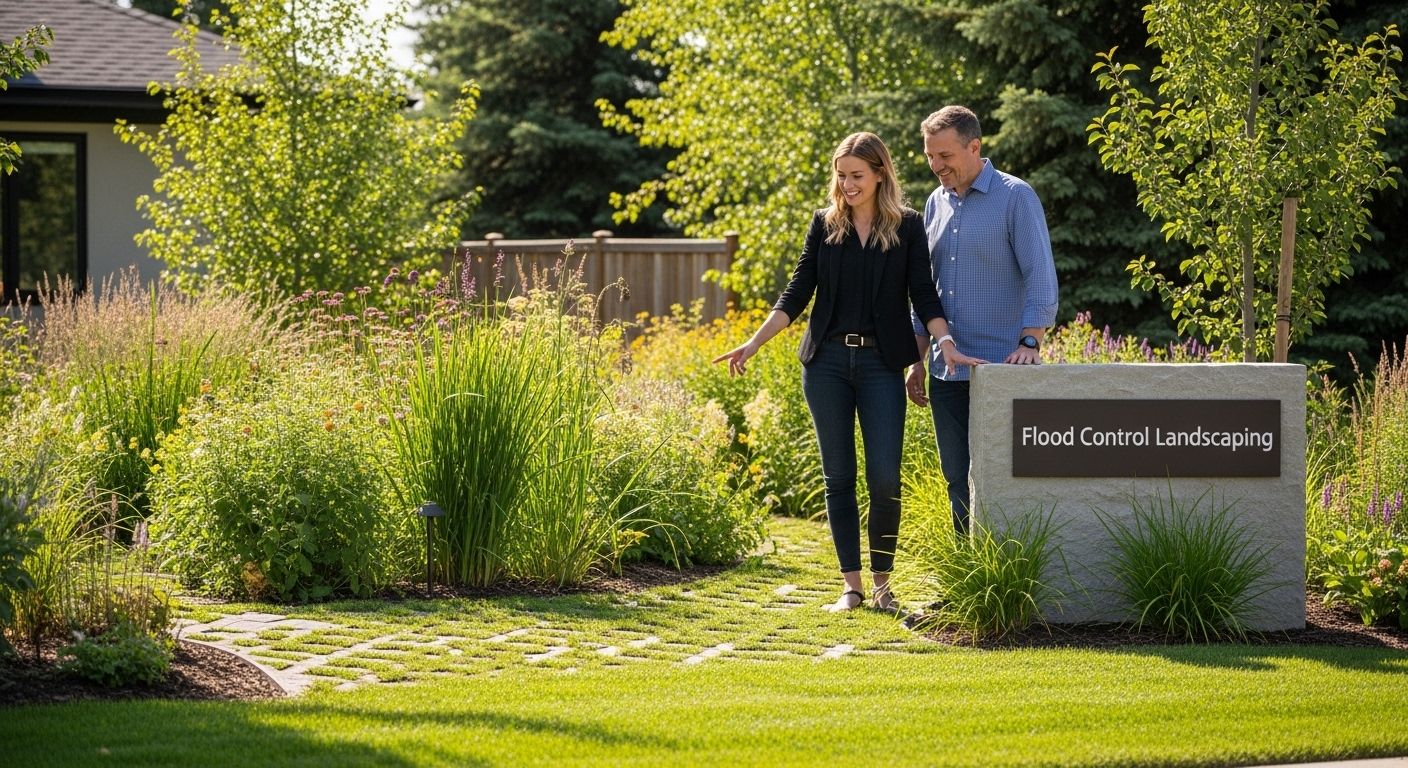
Flood control landscaping shapes more than just curb appeal. Proper design can reduce surface water runoff by up to 75 percent in urban spaces. You might picture a few extra drains or grassy slopes, but the real power comes from plants and soil working together to handle water before it ever threatens your foundation or yard.
Table of Contents
- What Is Flood Control Landscaping And Its Purpose?
- Why Flood Control Landscaping Matters For Calgary Homeowners
- How Flood Control Landscaping Works: Key Principles
- Essential Elements Of An Effective Flood Control Landscape
- Real-World Examples Of Successful Flood Control Landscaping
Quick Summary
| Takeaway | Explanation |
|---|---|
| Flood control landscaping protects properties. | It strategically manages water flow to prevent damage from flooding and erosion, safeguarding investments. |
| Incorporate native vegetation for better drainage. | Native plants have deep roots that stabilize soil and enhance water absorption, reducing erosion risks effectively. |
| Design landscapes with contours and swales. | Creating graded slopes and swales efficiently directs water away from critical areas, minimizing flood risk for properties. |
| Implement permeable surfaces for runoff control. | Using permeable materials for driveways and walkways helps reduce surface runoff, promoting natural water filtration. |
| Work with professionals for tailored solutions. | Landscaping experts can assess specific property needs to design effective flood control systems that blend functionality and aesthetics. |
What is Flood Control Landscaping and Its Purpose?
Flood control landscaping represents a strategic approach to managing water movement and preventing potential water damage on residential and commercial properties. This specialized landscaping technique goes beyond aesthetic design, focusing on creating functional outdoor spaces that effectively mitigate flooding risks.
Understanding Water Management Principles
At its core, flood control landscaping involves designing and implementing landscape features that redirect, absorb, and manage water flow. The primary goal is to protect property infrastructure by controlling runoff, preventing soil erosion, and reducing the potential for water accumulation during heavy rainfall or snowmelt events.
Key principles of effective flood control landscaping include:
- Strategic grading and slope management
- Incorporating water-absorbing vegetation
- Creating natural drainage pathways
- Implementing permeable surface solutions
Practical Applications in Property Design
Professional flood control landscaping considers multiple factors when designing water management systems. According to University of Calgary Environmental Engineering Department, proper landscape design can reduce surface water runoff by up to 75% in urban environments. This involves carefully planned techniques such as creating swales, rain gardens, and strategic terrain contouring that guide water away from critical infrastructure.
These landscape interventions serve multiple purposes beyond flood prevention. They enhance property aesthetics, support local ecosystem health, and provide sustainable water management solutions. By integrating natural drainage systems and water-resilient plant species, property owners can create outdoor spaces that are both beautiful and functionally robust.
For Calgary property owners, understanding how landscape design impacts water management becomes crucial in mitigating potential water-related risks. Professional landscaping services can assess individual property characteristics and develop customized flood control strategies that protect investments while creating visually appealing outdoor environments.
Why Flood Control Landscaping Matters for Calgary Homeowners
In Calgary, where weather patterns can be unpredictable and extreme, flood control landscaping is not just a design choice but a critical property protection strategy. The city’s unique geographical location and climate conditions make professional water management essential for homeowners seeking to safeguard their investments.
Economic and Property Protection Implications
Flood damage can result in substantial financial losses for homeowners. According to the International Institute for Sustainable Development, natural infrastructure strategies can significantly reduce potential property damage by managing water flow effectively. This approach becomes particularly crucial in regions like Calgary, where rapid snowmelt and intense rainfall can create challenging water management scenarios.
Key financial considerations for homeowners include:
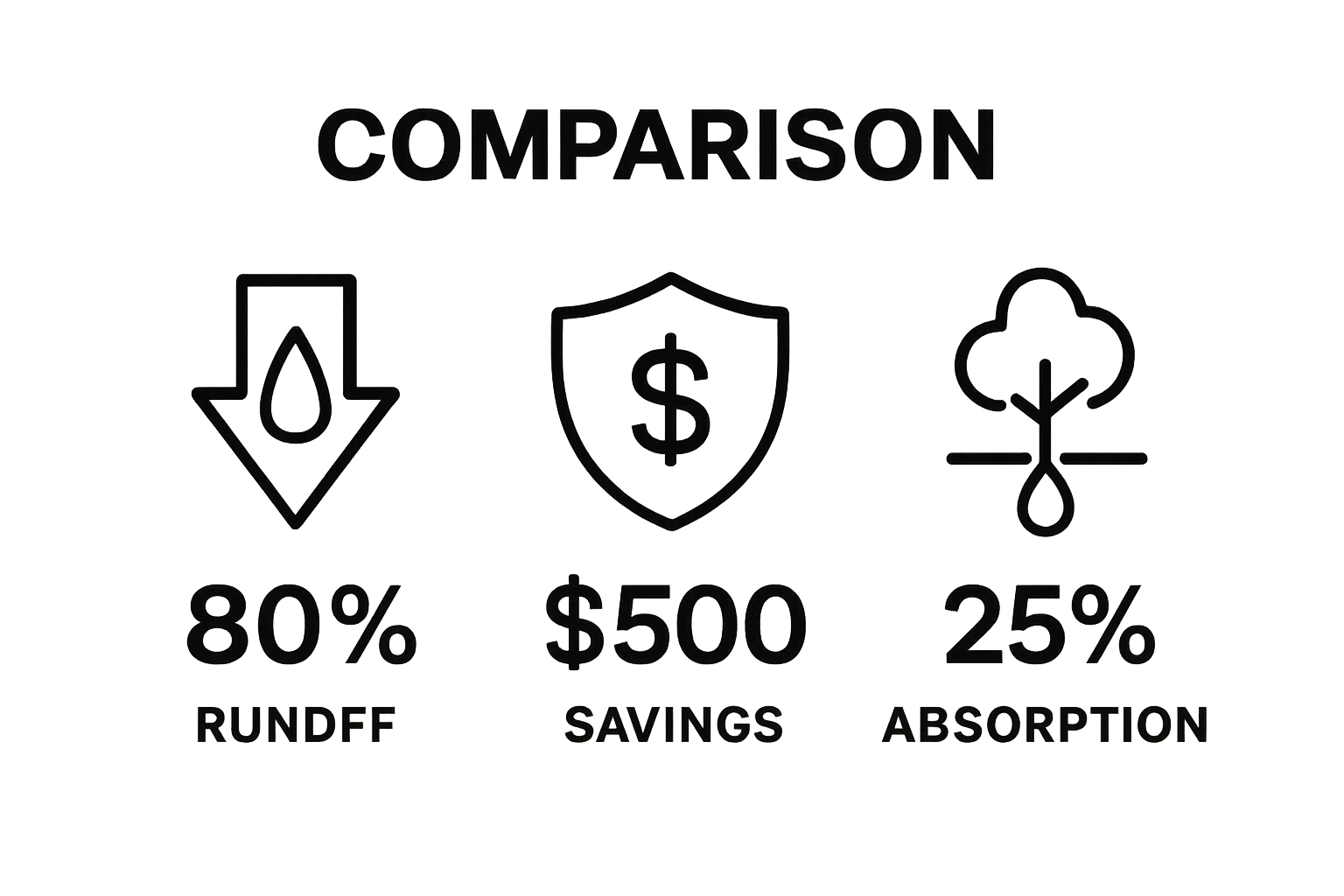
- Preventing structural damage to foundations
- Reducing potential insurance claim expenses
- Maintaining property value
- Minimizing landscape restoration costs
Environmental and Ecosystem Benefits
Beyond property protection, flood control landscaping contributes to broader environmental sustainability. Sustainable landscaping practices help preserve local ecosystems by managing water runoff, preventing soil erosion, and supporting native plant species. These landscape interventions create natural water filtration systems that benefit both individual properties and broader community environmental health.
Homeowners implementing strategic flood control techniques can expect multiple advantages. These include improved drainage, reduced water accumulation risks, enhanced property aesthetics, and contribution to local environmental conservation efforts. By working with professional landscaping services, Calgary residents can develop customized solutions that address their specific property characteristics while maintaining ecological balance.
How Flood Control Landscaping Works: Key Principles
Flood control landscaping operates through strategic design principles that manipulate terrain, vegetation, and surface materials to effectively manage water movement. These scientifically-informed techniques transform outdoor spaces into dynamic water management systems that protect property infrastructure and support environmental sustainability.
Water Redirection and Absorption Strategies
The fundamental mechanism of flood control landscaping involves creating deliberate pathways for water movement. Professionals use precise grading techniques to establish natural drainage routes that guide water away from critical structures. According to the U.S. Environmental Protection Agency, strategic landscape interventions can significantly reduce runoff volume and velocity.
Key water management techniques include:
- Creating swales and bioswales for controlled water flow
- Implementing terraced landscape designs
- Establishing slope gradients that direct water efficiently
- Using permeable ground cover materials
Vegetation and Surface Design Principles
Plant selection and placement play a crucial role in flood control landscaping. Native vegetation with extensive root systems helps stabilize soil, increase water absorption, and reduce erosion. By understanding yard drainage solutions, homeowners can select plant species that enhance natural water management capabilities.
The integration of various landscape elements creates a comprehensive water management system. Hardscape features like retaining walls, strategic paving, and underground drainage infrastructure work in concert with natural vegetation to control water movement. These integrated approaches transform outdoor spaces into resilient, functional environments that protect property while maintaining aesthetic appeal.
Essential Elements of an Effective Flood Control Landscape
Creating a comprehensive flood control landscape requires carefully integrated design elements that work synergistically to manage water flow, protect property, and maintain aesthetic appeal. These systems demand strategic planning and precise implementation to ensure maximum effectiveness in water management.
Topographical and Drainage Infrastructure
The foundation of any effective flood control landscape lies in precise terrain configuration. Proper grading and slope management are critical components that determine water movement and accumulation patterns. Professional landscapers assess property characteristics to design drainage systems that naturally redirect water away from critical infrastructure.
Key topographical considerations include:
- Establishing minimum 2% slope away from building foundations
- Creating strategic low points for water collection
- Implementing subsurface drainage networks
- Designing contoured terrain that facilitates natural water flow
Vegetation and Ground Cover Selection
Plant selection plays a pivotal role in flood control landscaping. Native vegetation with robust root systems provides natural soil stabilization and water absorption capabilities. Understanding yard drainage solutions helps homeowners select plant species that enhance water management and prevent soil erosion.
Ideal vegetation strategies incorporate deep-rooted native grasses, shrubs, and trees that can withstand variable moisture conditions while effectively managing water absorption. These living systems act as natural filters and water retention mechanisms, complementing engineered drainage infrastructure.
By integrating sophisticated landscape design principles with scientifically informed water management techniques, homeowners can create outdoor spaces that are both functionally resilient and visually appealing. The goal is to develop a holistic approach that addresses flood prevention while maintaining the aesthetic and ecological integrity of the property.
Below is a table comparing different flood control landscaping elements and their main functions as described in the article.
| Landscape Element | Primary Function | Example Feature |
|---|---|---|
| Grading and Slope Management | Directs water movement away from buildings | 2% slope from foundation |
| Swales and Bioswales | Channels and absorbs runoff | Shallow vegetated channels |
| Permeable Surfaces | Allows water to infiltrate into the soil | Permeable paving stones |
| Native Vegetation | Stabilizes soil and absorbs water | Deep-rooted native grasses |
| Rain Gardens | Collects and filters runoff | Planted depressions |
| Drainage Networks | Moves excess water away underground | Subsurface pipes |
| Terraced Landscaping | Reduces runoff velocity on slopes | Stepped garden beds |
Real-World Examples of Successful Flood Control Landscaping
Real-world flood control landscaping demonstrates how strategic design can transform vulnerable properties into resilient environments. These practical applications showcase innovative approaches that protect infrastructure while creating aesthetically pleasing outdoor spaces.
Residential Property Transformations
Homeowners have increasingly adopted sophisticated flood control techniques to mitigate water damage risks. In Calgary, properties with challenging terrain have successfully implemented comprehensive water management strategies that blend functionality with visual appeal. Water conservation landscaping techniques have proven particularly effective in managing localized flooding challenges.
Successful residential flood control strategies typically include:
- Implementing terraced garden designs with natural drainage
- Creating rain gardens in low-lying property areas
- Installing permeable paving materials
- Developing strategic landscape contouring
Urban and Community Scale Applications
According to the U.S. Environmental Protection Agency, urban communities have demonstrated remarkable success in implementing large-scale flood control landscaping. Rain gardens and bioswales in municipal settings have dramatically reduced stormwater runoff, preventing infrastructure damage and improving local ecosystem health.
These landscape interventions go beyond individual property protection. They represent comprehensive approaches to water management that benefit entire communities by reducing flood risks, minimizing erosion, and creating sustainable urban environments. Professional landscapers now design multilayered systems that integrate natural water absorption techniques with sophisticated drainage infrastructure, transforming potential flood zones into resilient, beautiful spaces.

Build Flood-Resilient Outdoor Spaces with Ace Landscapes
Is unpredictable Calgary weather leaving your property at risk for flooding or erosion? The article highlighted how flood control landscaping protects your home or business from costly water damage while enhancing the beauty and value of your space. With water management techniques like precise grading, natural drainage, and strategic plant choices, you can enjoy peace of mind and lasting curb appeal. Our team at Ace Landscapes specializes in the custom design and installation of landscapes that actively manage water, guided by the latest proven methods discussed above.

Take action before the next storm or thaw threatens your investment. Visit our site to discover how our landscape design services and tailored yard drainage solutions can protect your property for years to come. Book a consultation today and let Ace Landscapes help you create an attractive space that stands up to Calgary’s challenging conditions—get started now at Ace Landscapes.
Frequently Asked Questions
What is flood control landscaping?
Flood control landscaping is a strategic approach to managing water movement in outdoor spaces to prevent flooding and water damage. It involves design techniques such as grading, vegetation selection, and drainage systems to effectively redirect and absorb rainwater.
Why is flood control landscaping important for Calgary homeowners?
In Calgary, flood control landscaping is essential due to unpredictable weather patterns that can lead to rapid snowmelt and heavy rainfall. It helps protect properties from potential water damage, minimizing financial losses, and maintaining property value.
What are some effective flood control landscaping techniques?
Effective techniques include creating swales, rain gardens, and terraced landscapes, as well as using native vegetation and permeable surfaces to enhance water absorption and control runoff.
How do plants contribute to flood control landscaping?
Native plants with deep root systems stabilize soil, promote water absorption, and reduce erosion. By selecting appropriate vegetation, homeowners can enhance natural drainage capabilities and improve the overall effectiveness of their flood control landscaping efforts.