
Understanding Yard Drainage Solutions for Your Property
August 29, 2025
Understanding Lawn Fertilization Schedule for Healthy Grass
August 31, 2025
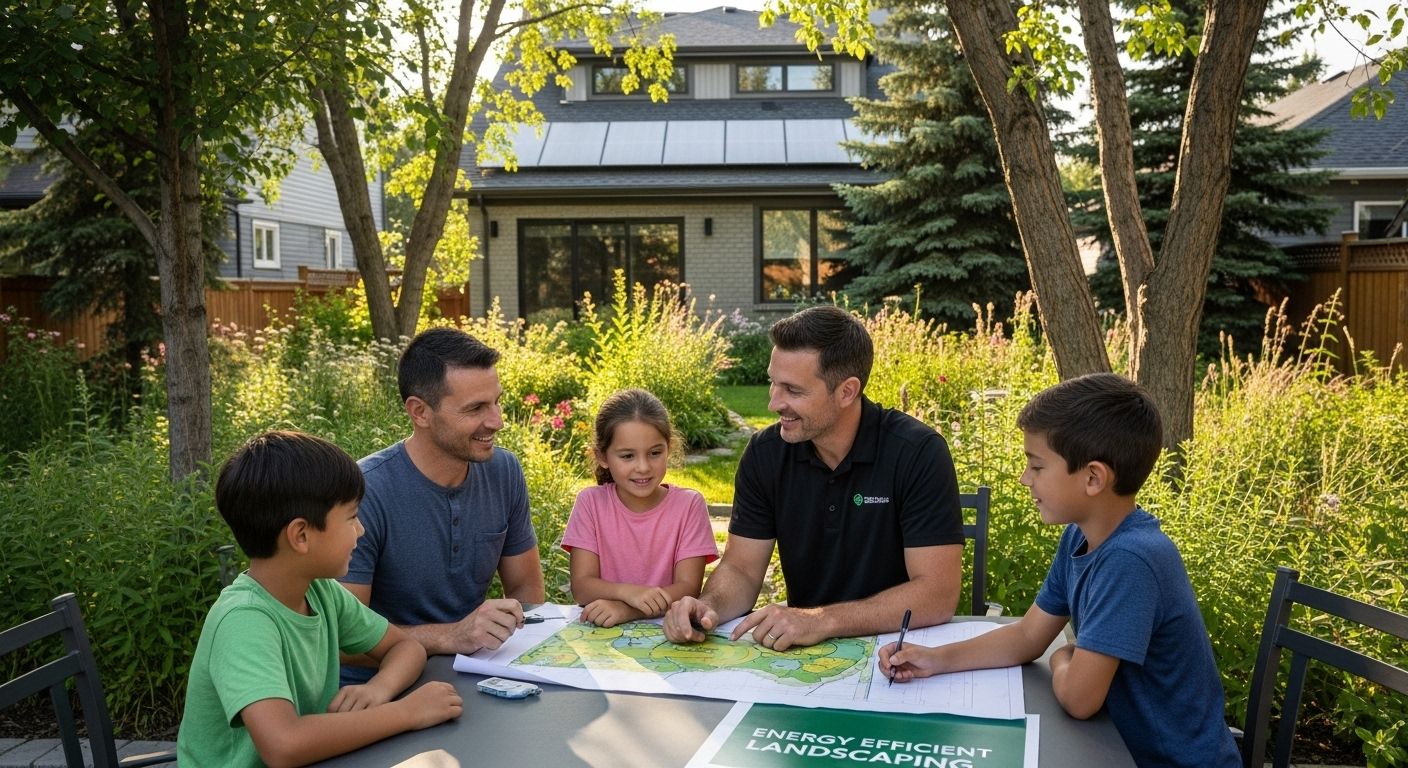
Everyone loves the look of a lush yard, but most people do not realize their landscaping can seriously impact their energy bills. Imagine this. The U.S. Department of Energy reports that smart landscaping can cut air conditioning costs by up to 50 percent. That surprises almost everyone. Most folks think of plants for beauty, not as powerful tools for comfort or savings. Turns out, the right trees and shrubs are more effective than many gadgets for keeping your home cool in summer and warm in winter.
Table of Contents
- What Is Energy Efficient Landscaping?
- Why Energy Efficient Landscaping Matters For Calgary Properties
- Key Components Of Energy Efficient Landscaping
- How Energy Efficient Landscaping Benefits Homeowners And Businesses
- Real-World Examples Of Effective Energy Efficient Landscaping
Quick Summary
| Takeaway | Explanation |
|---|---|
| Strategic plant placement saves energy | Properly positioned trees and shrubs can reduce air conditioning and heating costs by up to 50%. |
| Native plants minimize resource use | Selecting plants adapted to local conditions lowers maintenance needs and encourages biodiversity. |
| Design microclimates for temperature control | Creating sheltered areas around buildings helps buffer extreme weather, enhancing comfort. |
| Choose materials wisely for heat management | Light-colored and permeable surfaces reflect solar radiation and reduce heat retained in urban areas. |
| Invest in landscaping for property value | Thoughtful landscape design increases property value and improves overall energy efficiency. |
What is Energy Efficient Landscaping?
Energy efficient landscaping represents a strategic approach to designing outdoor spaces that actively reduce energy consumption and enhance environmental sustainability. This innovative technique uses thoughtful plant placement, design elements, and landscaping principles to naturally regulate temperature, minimize energy use, and create more comfortable living environments.
The Fundamental Principles of Energy Efficient Design
At its core, energy efficient landscaping works by creating natural barriers and microclimates that help manage temperature and protect buildings from extreme weather conditions. Learn more about sustainable landscape strategies that can significantly impact your property’s energy performance.
Key principles of this approach include:
- Strategic tree and shrub placement to provide shade during summer
- Creating windbreaks to reduce heating costs in winter
- Selecting native plants that require minimal additional resources
- Designing landscapes that support natural cooling and heat retention
How Energy Efficient Landscaping Reduces Energy Consumption
According to the U.S. Department of Energy, well-designed landscapes can reduce air conditioning costs by up to 50% and help lower heating expenses. By understanding how plants, terrain, and strategic positioning interact, homeowners can create outdoor spaces that act as natural temperature regulators.
Below is a summary table outlining the primary mechanisms by which energy efficient landscaping helps reduce energy consumption and enhance building comfort.
| Mechanism | Description |
|---|---|
| Shade Provision | Trees and shrubs block solar radiation, reducing summer cooling needs |
| Passive Solar Heating | Deciduous trees allow winter sunlight to warm buildings, lowering heating demands |
| Windbreaks | Evergreen trees and shrubs block cold winds, minimizing heat loss around properties |
| Heat Island Effect Reduction | Green spaces and permeable surfaces reduce stored heat in urban and suburban environments |
| Temperature Moderation | Microclimates created by landscaping buffer properties against extreme weather |
The primary mechanisms involve using vegetation to:
- Block solar radiation during summer months
- Allow sunlight penetration during winter for passive warming
- Reduce wind chill effects around building perimeters
- Minimize heat island effects in urban and suburban environments
Energy efficient landscaping is not just about aesthetics but about creating intelligent, responsive outdoor environments that work harmoniously with architectural structures to optimize energy performance and environmental comfort.
Why Energy Efficient Landscaping Matters for Calgary Properties
In Calgary’s unique climate, energy efficient landscaping is not just an aesthetic choice but a critical strategy for environmental sustainability, cost reduction, and property performance. The region’s extreme temperature variations demand innovative approaches to managing energy consumption and creating resilient outdoor spaces.
Economic Benefits of Strategic Landscape Design
Explore sustainable landscape solutions for Calgary properties that can transform your property’s energy efficiency. According to the U.S. Department of Energy, strategic landscaping can reduce energy costs significantly, with potential savings including:
- Up to 50% reduction in air conditioning expenses
- Significant heating cost reductions through natural windbreaks
- Improved property value through intelligent design
- Decreased environmental impact and carbon footprint
Climate Adaptation and Microclimate Management
Calgary’s challenging climate requires innovative landscape strategies that help properties adapt to temperature extremes. Energy efficient landscaping creates protective microclimates that buffer buildings against harsh winter winds and intense summer heat. By carefully selecting native plants and designing strategic green barriers, homeowners can naturally regulate their property’s temperature and reduce reliance on mechanical heating and cooling systems.
Environmental and Sustainability Implications
Beyond economic advantages, energy efficient landscaping contributes meaningfully to broader environmental sustainability goals. Thoughtful landscape design supports local biodiversity, reduces urban heat island effects, and creates green spaces that actively contribute to ecological balance. By implementing principles of energy efficient landscaping, Calgary properties can become models of environmental stewardship, demonstrating how intelligent design can harmonize human habitation with natural systems.
This comparison table highlights the core benefits for Calgary property owners when implementing energy efficient landscaping strategies, offering a quick reference for both residential and commercial applications.
| Benefit Category | Residential Properties | Commercial Properties |
|---|---|---|
| Economic | Lower energy bills, increased property value | Reduced operating costs, enhanced property marketability |
| Environmental | Support biodiversity, reduce carbon footprint | Mitigate urban heat, support green infrastructure |
| Functional | Increased comfort, reduced maintenance needs | Improved tenant satisfaction, stormwater management options |
Key Components of Energy Efficient Landscaping
Energy efficient landscaping comprises several strategic elements that work together to create sustainable, temperature-regulating outdoor environments. By understanding and implementing these key components, homeowners can transform their properties into energy-optimized spaces that reduce environmental impact and minimize utility costs.
Plant Selection and Strategic Positioning
Discover our comprehensive guide to sustainable landscape design that highlights the importance of intelligent plant placement. According to the U.S. Department of Energy, the right plant selection and positioning can dramatically influence a property’s energy performance. Critical considerations include:
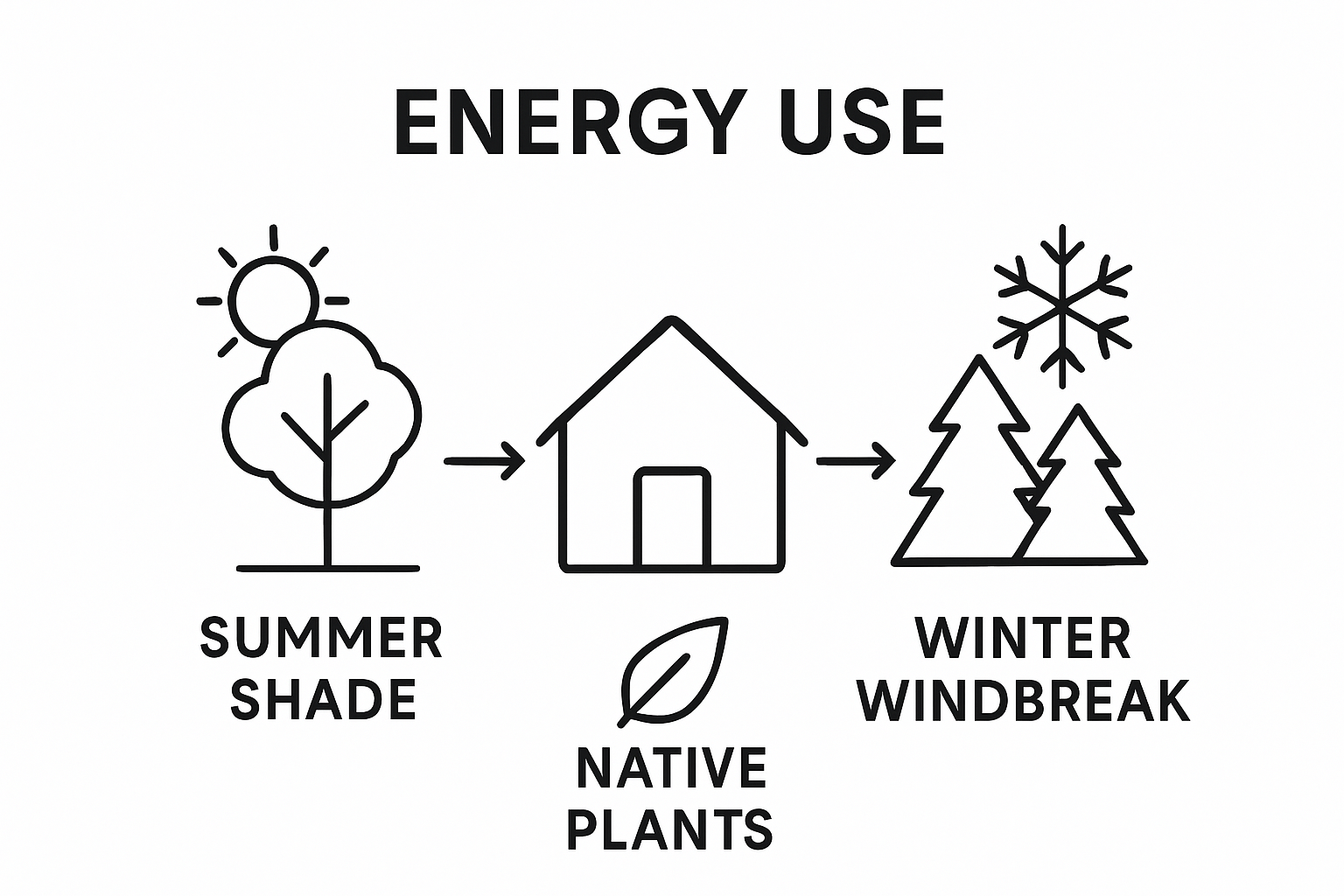
- Choosing native plants adapted to local climate conditions
- Selecting deciduous trees for summer shade and winter sun exposure
- Positioning evergreen trees as windbreaks on northern property sides
- Using ground cover plants to reduce soil temperature and minimize heat absorption
Landscape Zoning and Microclimate Creation
Effective energy efficient landscaping goes beyond individual plant selection to create comprehensive landscape zones that work synergistically. This approach involves designing distinct areas that serve specific environmental functions. Homeowners can create protective microclimates by:
- Developing sheltered areas near building foundations
- Implementing strategic hardscaping elements that reduce heat reflection
- Creating natural barriers that modulate wind patterns
- Designing water features that provide cooling effects
Material Selection and Surface Management
The materials and surfaces within a landscape play a crucial role in energy efficiency. Thoughtful selection of ground covers, paving materials, and landscape elements can significantly impact heat absorption, reflection, and overall thermal performance. Key strategies include using light-colored surfaces to reflect solar radiation, incorporating permeable surfaces that reduce heat island effects, and selecting materials with high albedo properties that minimize heat retention.
How Energy Efficient Landscaping Benefits Homeowners and Businesses
Energy efficient landscaping transcends traditional aesthetic approaches, offering substantial economic, environmental, and functional advantages for both residential and commercial properties. By implementing strategic design principles, property owners can transform their outdoor spaces into powerful tools for sustainability and cost management.
Economic Advantages and Cost Reduction
Explore our sustainable landscape solutions for Calgary properties to understand the financial benefits. According to the U.S. Department of Energy, strategic landscaping can generate significant economic benefits, including:
- Potential reduction of heating and cooling costs by up to 25%
- Increased property value through intelligent design
- Lower maintenance expenses with native, climate-adapted plant selections
- Reduced long-term infrastructure and utility expenses
Environmental Impact and Sustainability
Energy efficient landscaping serves as a critical mechanism for environmental stewardship. By creating green infrastructure that supports local ecosystems, property owners contribute to broader sustainability goals. These landscapes actively mitigate urban heat island effects, improve air quality, and provide critical habitats for local wildlife. Businesses and homeowners can leverage these designs to:
- Reduce carbon footprint
- Support local biodiversity
- Minimize stormwater runoff
- Create natural cooling zones
Functional Performance and Property Enhancement
Beyond economic and environmental benefits, energy efficient landscaping dramatically improves the functional performance of properties. Thoughtfully designed landscapes act as natural temperature regulators, providing protective microclimates that enhance building comfort and reduce reliance on mechanical heating and cooling systems. By integrating intelligent landscape design, property owners can create outdoor spaces that are not just visually appealing but functionally sophisticated, delivering tangible improvements in energy efficiency, comfort, and overall property performance.
Real-World Examples of Effective Energy Efficient Landscaping
Energy efficient landscaping transforms theoretical principles into practical, measurable outcomes across residential and commercial environments. By examining successful implementations, property owners can gain insights into the powerful potential of strategic landscape design to reduce energy consumption and enhance environmental performance.
Residential Landscape Transformation Strategies
Explore our guide to sustainable landscaping practices to understand practical implementation techniques. According to the U.S. Department of Energy, residential properties can achieve significant energy savings through targeted landscape interventions:
- Creating shade zones with strategically planted deciduous trees
- Developing windbreak systems using evergreen vegetation
- Implementing ground cover to reduce soil temperature
- Designing natural cooling corridors around building perimeters
Commercial Property Energy Performance
Commercial landscapes present unique opportunities for energy optimization. Advanced implementations demonstrate how intelligent design can dramatically reduce operational costs and environmental impact. Successful commercial energy efficient landscaping examples include:
- Corporate campuses with integrated green infrastructure
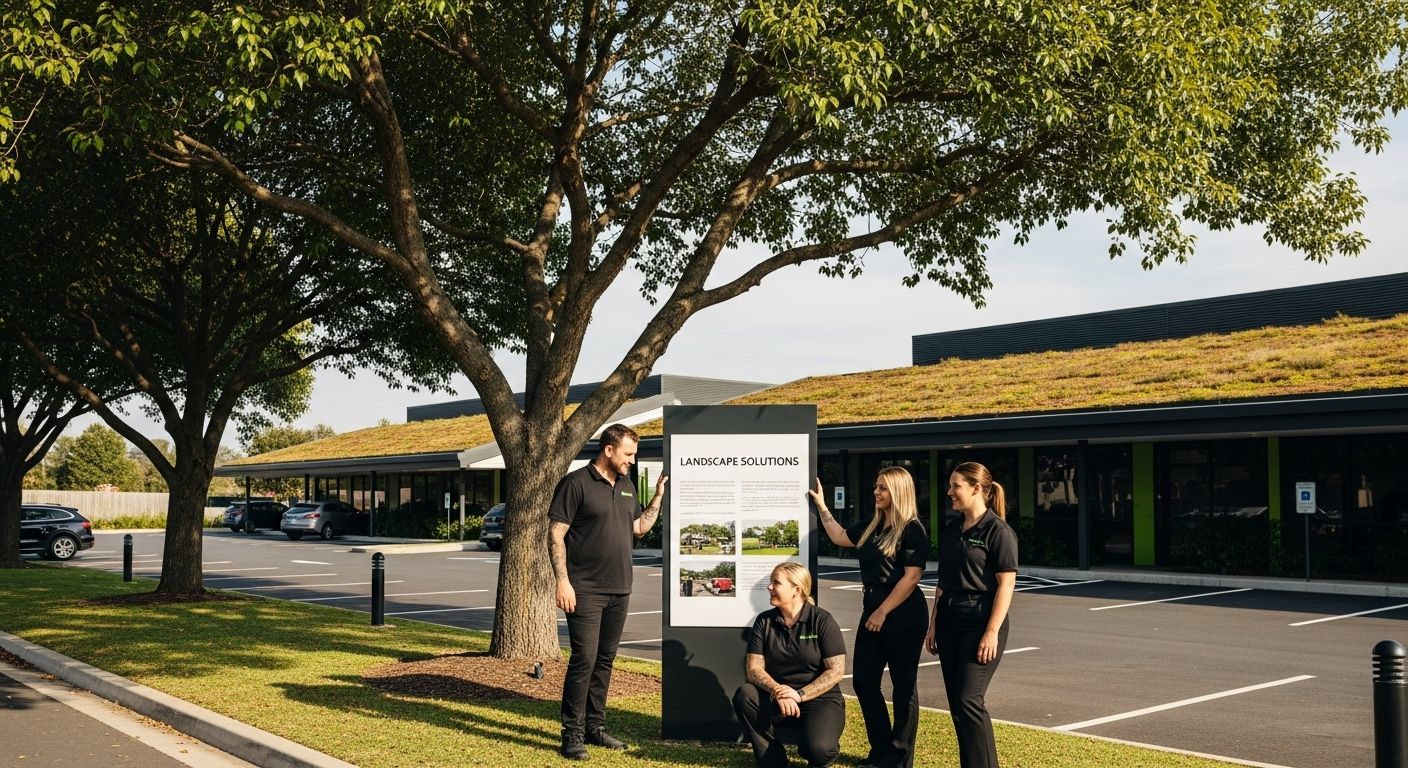
- Rooftop gardens that provide natural insulation
- Parking lot designs featuring extensive tree canopies
- Water-sensitive urban design principles
Innovative Landscape Design Approaches
Cutting-edge energy efficient landscaping goes beyond traditional approaches, incorporating sophisticated design principles that maximize environmental performance. These innovative strategies blend aesthetic appeal with functional efficiency, creating landscapes that actively contribute to energy management. Modern implementations emphasize holistic design that considers microclimatic conditions, local ecological systems, and long-term sustainability goals, transforming outdoor spaces from passive environments into dynamic, energy-responsive ecosystems.
Transform Your Calgary Property with Expert Energy Efficient Landscaping
Are you tired of high energy bills and uncomfortable indoor temperatures despite your best efforts? This article has shown how strategic plant placement, microclimate creation, and thoughtful material choices can dramatically reduce your energy use while supporting sustainability. Many homeowners and businesses in Calgary still struggle to turn these principles into practical results that truly make a difference.

It is time to experience the benefits of energy efficient landscaping for yourself. Trust Ace Landscapes, Calgary’s full-service landscaping experts, to bring these transformative ideas to life on your residential or commercial property. Explore our comprehensive approach to sustainable landscaping practices and discover how we integrate energy-saving solutions into every project. See our full range of services or request a consultation today by visiting Ace Landscapes. Take the first step toward a greener, more cost-effective property now.
Frequently Asked Questions
What are the main principles of energy efficient landscaping?
Energy efficient landscaping revolves around strategic plant placement, creating natural barriers, selecting native plants, and designing landscapes that optimize cooling and heating, significantly impacting energy performance.
How can energy efficient landscaping reduce energy consumption in homes?
By utilizing vegetation to block solar radiation in summer, allowing sunlight for passive heating in winter, and creating windbreaks to decrease heating costs, energy efficient landscaping can reduce air conditioning costs by up to 50%.
What types of plants are best for energy efficient landscaping?
Choosing native plants that are well-suited to the local climate, deciduous trees for summer shade, and evergreen trees for winter windbreaks can enhance energy efficiency in landscaping efforts.
Why is energy efficient landscaping important for Calgary properties?
In Calgary, the extreme temperature variations make energy efficient landscaping crucial for environmental sustainability, economic savings, and effective climate adaptation by creating protective microclimates around buildings.