
7 Essential Tips for Landscape Design for Small Yards
August 24, 2025
Preparing Gardens for Winter: A Complete Guide for Calgary Homeowners
August 26, 2025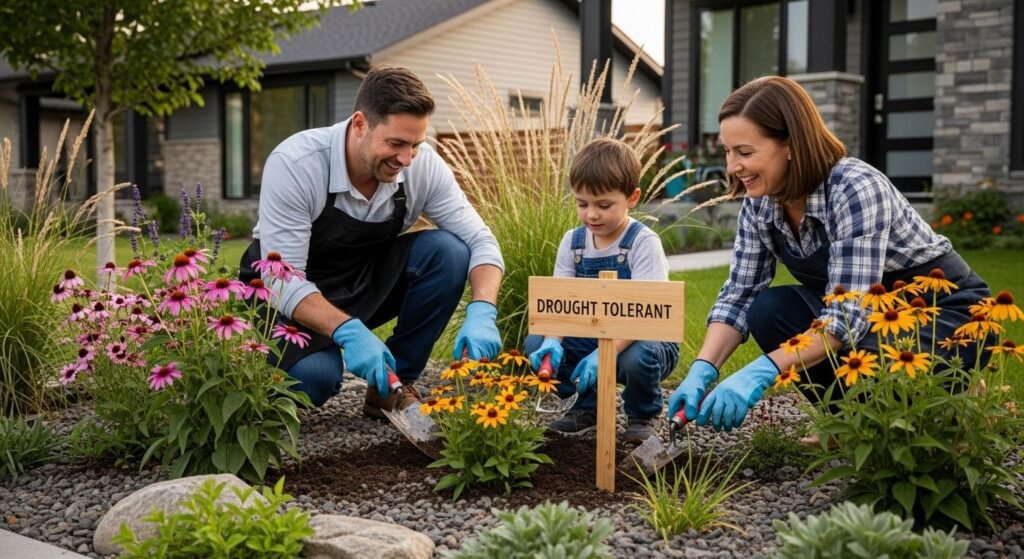
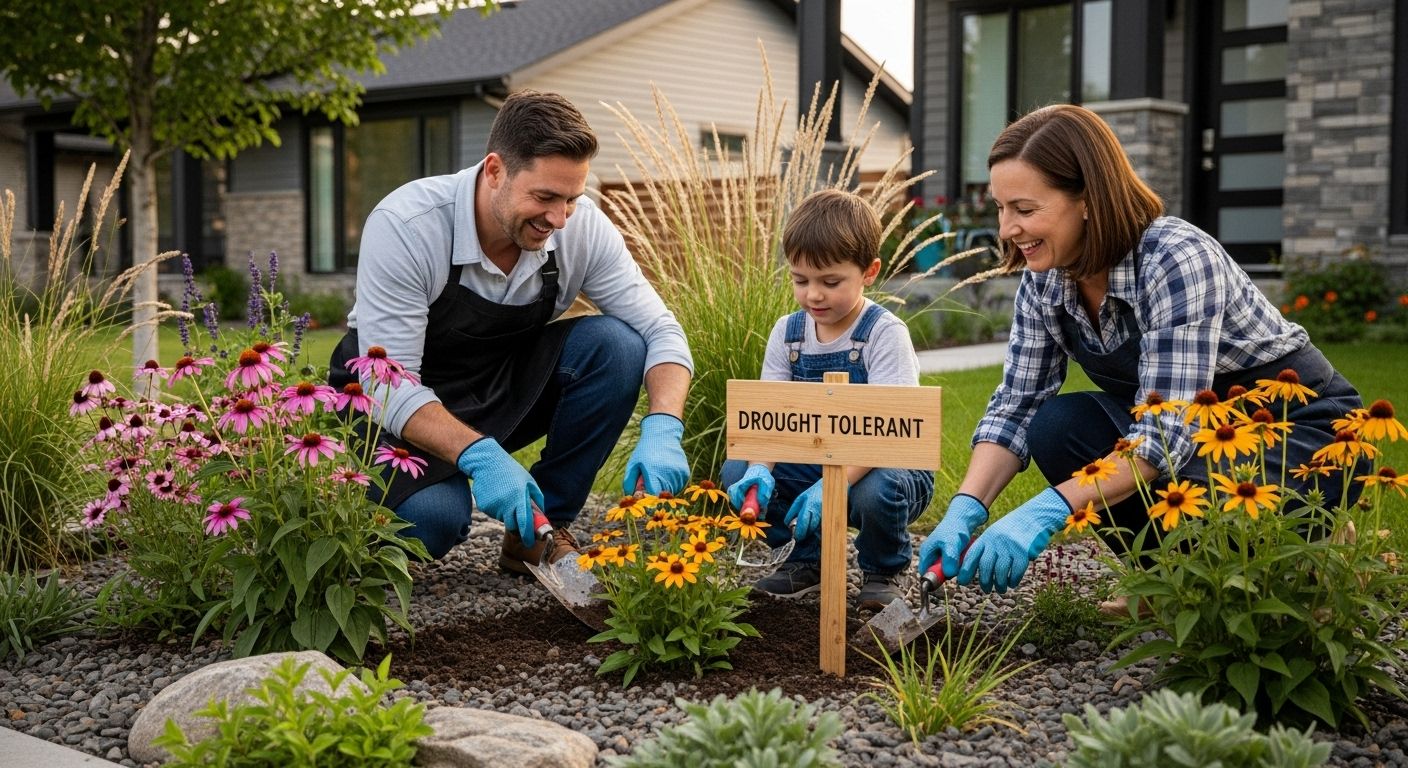
Calgary yards are getting a major makeover as homeowners look for sustainable ways to keep their outdoor spaces thriving with less water. And get this. Drought tolerant landscaping can cut outdoor water use by up to 50 percent compared to traditional lawns. It sounds like a compromise, but these new designs actually add more colour, texture, and life to your yard than old-fashioned grass ever could.
Table of Contents
- What Is Drought Tolerant Landscaping?
- Why Drought Tolerant Landscaping Matters In Calgary
- Key Principles Of Drought Tolerant Landscaping
- Benefits Of Implementing Drought Tolerant Designs
- Real-World Examples Of Successful Drought Tolerant Landscaping
Quick Summary
| Takeaway | Explanation |
|---|---|
| Choose native plants for landscaping | Selecting local plants ensures resilience to Calgary’s climate and minimizes water needs. |
| Implement efficient water management | Utilize drip irrigation and rainwater harvesting to conserve water and maintain healthy landscapes. |
| Design for low maintenance | Creating functional landscape zones reduces ongoing upkeep and maintenance costs significantly. |
| Focus on soil health | Improve soil structure to enhance water retention and support plant health, reducing the need for irrigation. |
| Increase property value with sustainable design | Homes with drought tolerant landscaping can attract buyers and increase market appeal due to lower maintenance needs. |
What is Drought Tolerant Landscaping?
Drought tolerant landscaping represents a strategic approach to designing outdoor spaces that thrive with minimal water resources. For Calgary homeowners facing unpredictable precipitation and periodic water restrictions, this landscaping method offers a sustainable solution to maintaining beautiful, resilient outdoor environments.
Understanding the Core Principles
At its essence, drought tolerant landscaping involves selecting plants, design techniques, and irrigation strategies specifically adapted to conserve water while creating visually appealing landscapes. The fundamental goal is creating outdoor spaces that remain healthy and attractive with significantly reduced water consumption.
Key characteristics of drought tolerant landscaping include:
- Selecting native plants naturally adapted to local climate conditions
- Designing landscape layouts that minimize water requirements
- Implementing efficient soil management techniques
- Using mulching and ground cover strategies to retain moisture
According to Colorado State University Extension, drought tolerant landscaping isn’t just about reducing water use, but also about creating functional and aesthetically pleasing outdoor environments that can withstand challenging environmental conditions.
Benefits Beyond Water Conservation
Drought tolerant landscaping delivers multiple advantages beyond simple water savings. Homeowners who adopt these principles can expect reduced maintenance costs, enhanced property resilience, and improved environmental sustainability.
The approach supports local ecosystems by prioritizing native plant species that provide habitat and food for local wildlife. Moreover, these landscapes require less chemical intervention, fertilization, and ongoing maintenance compared to traditional landscaping methods. By strategically selecting plants with deep root systems and natural drought resistance, homeowners can create outdoor spaces that remain vibrant and healthy even during periods of limited rainfall.
For Calgary residents, drought tolerant landscaping represents a forward thinking solution that balances aesthetic beauty with environmental responsibility, transforming outdoor spaces into sustainable, low maintenance ecosystems that can withstand the region’s variable climate conditions.
To help readers clearly understand the central characteristics that define drought tolerant landscaping, the following table summarises its key features and their benefits for Calgary homeowners:
| Feature | Description | Key Benefit |
|---|---|---|
| Native plant selection | Use of plants adapted to Calgary’s climate | Resilient with low water needs |
| Functional zones | Designated areas with different water requirements | Optimizes water use efficiency |
| Soil management | Improved soil structure with organic matter and mulches | Enhanced water retention and reduced irrigation |
| Efficient irrigation | Use of drip systems and targeted watering | Minimises water waste |
| Minimal chemical intervention | Reduced need for fertilizers and pesticides | Healthier for local ecosystems |
| Support for biodiversity | Provides habitats and food for local wildlife and pollinators | Contributes to ecological balance |
| Low maintenance | Requires less mowing, watering, and general upkeep | Saves time and reduces long-term costs |
Why Drought Tolerant Landscaping Matters in Calgary
Calgary homeowners face unique environmental challenges that make drought tolerant landscaping not just a preference, but a critical strategy for sustainable property management. The region’s semi-arid climate, characterized by limited precipitation and fluctuating temperature ranges, demands innovative landscape solutions that can adapt and thrive under challenging conditions.
Environmental and Economic Impact
The significance of drought tolerant landscaping extends far beyond aesthetic considerations. In Calgary, where water resources are increasingly precious, this approach provides substantial environmental and economic benefits. Homeowners who implement water-efficient landscape designs can significantly reduce their water consumption, contributing to broader municipal conservation efforts.
Key environmental advantages include:
- Minimizing water waste during periods of drought
- Reducing strain on local water infrastructure
- Supporting native ecosystem resilience
- Decreasing chemical and fertilizer runoff
According to University of Massachusetts Amherst, strategic landscape design can dramatically reduce water demand while maintaining attractive outdoor spaces.
Climate Resilience and Property Value
Drought tolerant landscaping represents a proactive approach to managing the increasing environmental uncertainties associated with climate change. Calgary’s landscape experiences significant temperature fluctuations and periodic water restrictions, making resilient landscaping strategies essential.
By selecting native plants with deep root systems and natural drought resistance, homeowners create landscapes that can withstand extreme conditions. These landscapes not only survive but continue to look vibrant and healthy during challenging environmental periods. Additionally, properties with well-designed, water-efficient landscapes often see increased market value, as potential buyers recognize the long-term economic and environmental benefits of such approaches.
For Calgary residents, drought tolerant landscaping is more than a trend it’s a responsible investment in property sustainability, environmental stewardship, and community water conservation efforts.
To clarify how drought tolerant landscaping compares with traditional lawn landscaping, the following table outlines the key differences in terms of environmental and economic impact for Calgary homeowners:
| Aspect | Drought Tolerant Landscaping | Traditional Lawn Landscaping |
|---|---|---|
| Water Consumption | Up to 50% less outdoor water use | High, requires frequent watering |
| Plant Selection | Native/adaptive species | Mostly turfgrass |
| Maintenance Needs | Low (less mowing, fertilizing) | High (regular mowing, fertilizing) |
| Chemical Inputs | Minimal | Often significant |
| Environmental Impact | Supports local biodiversity | Limited wildlife value |
| Response to Drought | Remains resilient, maintains appeal | May brown or die off |
| Property Value | Can enhance due to sustainability | May stagnate or decrease with water bans |
Key Principles of Drought Tolerant Landscaping
Drought tolerant landscaping is a comprehensive approach that requires strategic planning and implementation. For Calgary homeowners, understanding the fundamental principles is crucial to creating sustainable, water-efficient outdoor spaces that can withstand the region’s challenging environmental conditions.
Strategic Design and Plant Selection
The foundation of drought tolerant landscaping lies in thoughtful design and intelligent plant selection. This principle goes beyond simply choosing plants that require less water it involves creating a holistic landscape ecosystem that minimizes water consumption while maintaining aesthetic appeal.
Key considerations for strategic landscape design include:
- Analyzing local microclimate conditions
- Understanding soil composition and drainage characteristics
- Creating functional landscape zones with varying water requirements
- Prioritizing native and adaptive plant species
According to the U.S. Department of Energy, effective xeriscaping involves careful planning, appropriate plant zoning, and strategic landscape management.
Soil Preparation and Water Management
Successful drought tolerant landscapes depend on robust soil management and efficient water conservation techniques. Improving soil structure enhances water retention, reduces runoff, and provides essential nutrients for plant health. This involves incorporating organic matter, improving drainage, and using mulching techniques that help retain soil moisture.
Water management strategies are equally critical. This includes designing irrigation systems that deliver precise amounts of water, utilizing drip irrigation methods, and implementing rainwater harvesting techniques. By minimizing water waste and maximizing efficient water distribution, homeowners can create landscapes that thrive with minimal intervention.
For Calgary residents, implementing these principles means transforming outdoor spaces into resilient, low-maintenance environments that not only survive but flourish under challenging climate conditions.
Benefits of Implementing Drought Tolerant Designs
Drought tolerant landscape designs offer Calgary homeowners a transformative approach to outdoor spaces that deliver substantial environmental, economic, and aesthetic advantages. By reimagining traditional landscaping methods, residents can create resilient outdoor environments that thrive with minimal resource input.
Environmental and Ecological Advantages
Implementing drought tolerant designs provides significant ecological benefits that extend far beyond individual properties. These landscapes play a crucial role in supporting local biodiversity, reducing water consumption, and creating sustainable urban ecosystems.
Key environmental benefits include:
- Reducing overall municipal water consumption
- Supporting native plant and wildlife populations
- Minimizing chemical fertilizer and pesticide usage
- Decreasing stormwater runoff and soil erosion
- Creating habitats for local pollinators and beneficial insects
According to the US Environmental Protection Agency, drought-tolerant landscaping can reduce outdoor water use by up to 50%, contributing significantly to broader conservation efforts.
Economic and Property Value Implications
Beyond environmental advantages, drought tolerant landscapes offer compelling economic incentives for Calgary homeowners. These designs translate into tangible financial benefits through reduced maintenance costs, lower water bills, and potential increases in property valuation.
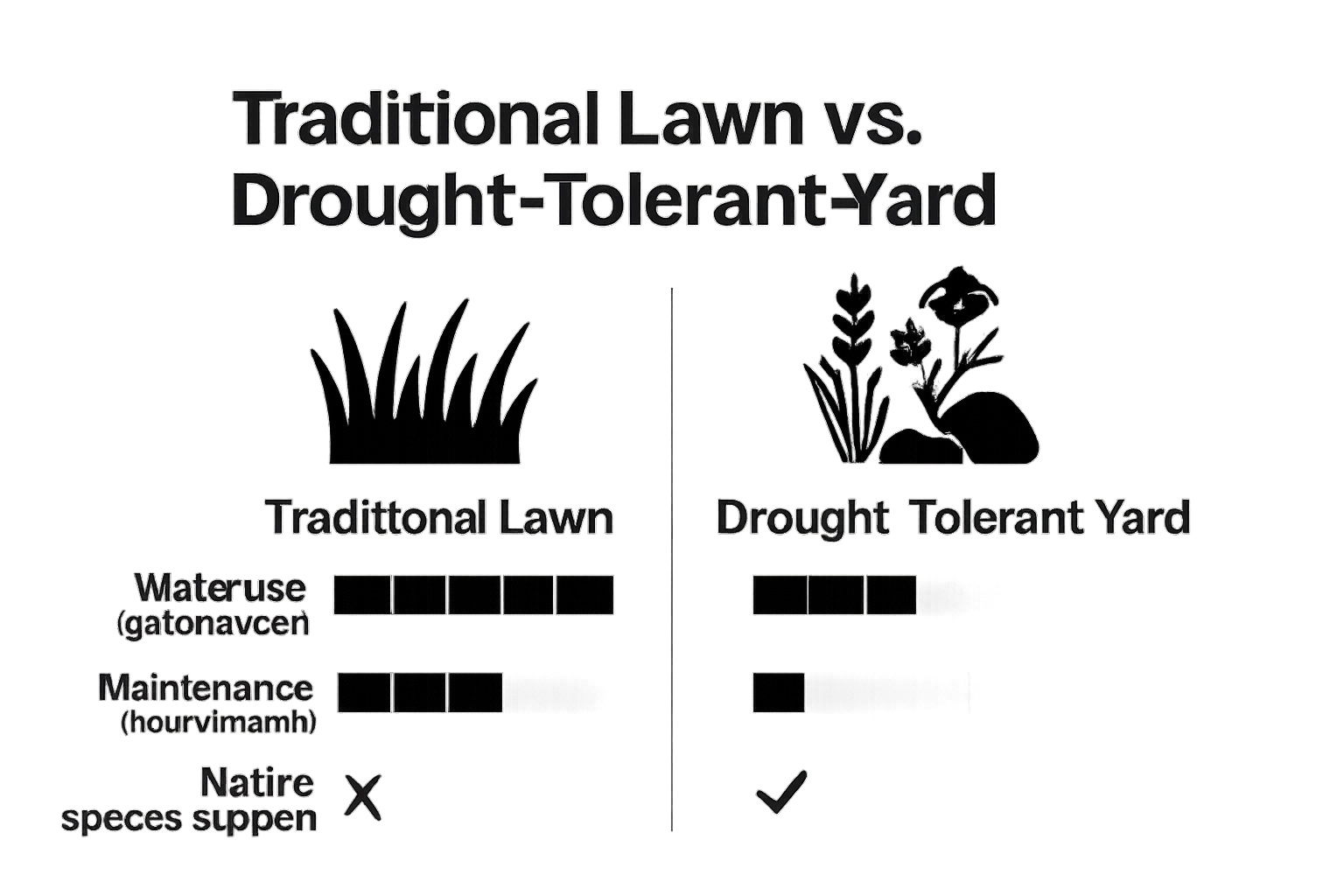
Homeowners can expect substantial long-term savings by investing in drought tolerant landscapes. These designs require less frequent replacement of plants, minimal irrigation infrastructure, and significantly reduced ongoing maintenance expenses. Additionally, properties featuring water-efficient landscapes often attract environmentally conscious buyers, potentially increasing market appeal and property value.
For Calgary residents, embracing drought tolerant landscape designs represents a forward thinking investment that balances ecological responsibility with practical financial considerations, creating outdoor spaces that are both beautiful and sustainable.
Real-World Examples of Successful Drought Tolerant Landscaping
Calgary homeowners are increasingly adopting innovative drought tolerant landscaping strategies that transform traditional outdoor spaces into sustainable, water-efficient environments. By examining successful local and regional implementations, residents can gain valuable insights into practical approaches that balance aesthetic appeal with environmental responsibility.
Residential Transformation Case Studies
Successful drought tolerant landscaping goes beyond theoretical concepts, demonstrating tangible results in real residential settings. Local Calgary homeowners have pioneered approaches that showcase the potential of water-efficient landscape design.
Key characteristics of successful residential drought tolerant landscapes include:
- Strategic use of native prairie grasses and wildflowers
- Incorporating rock gardens with minimal water requirements
- Creating multi-layered xeriscaping with varied textures and heights
- Implementing intelligent irrigation systems with moisture sensors
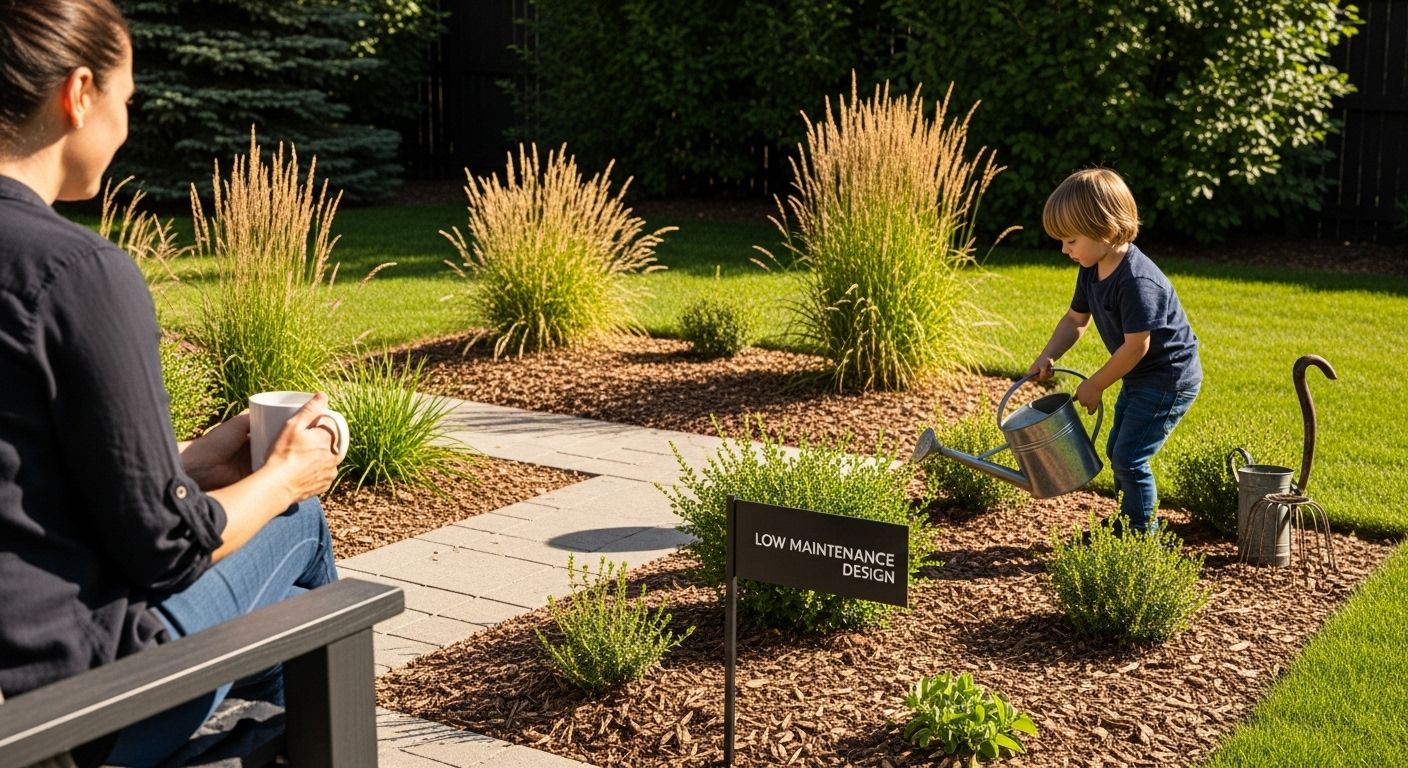
- Designing functional outdoor spaces that require minimal maintenance
According to the U.S. Environmental Protection Agency, successful water-efficient landscapes integrate specific design principles that reduce outdoor water consumption while maintaining visual appeal.
Municipal and Community Landscape Transformations
Beyond individual residential properties, Calgary has witnessed broader municipal and community efforts to implement drought tolerant landscaping principles. Public spaces, commercial developments, and community gardens are increasingly adopting water-conservative design strategies that serve as living demonstrations of sustainable landscape management.
These community-level implementations showcase how drought tolerant landscaping can create resilient, attractive environments that withstand challenging climate conditions. By prioritizing native plant species, implementing efficient water management techniques, and designing landscapes that work harmoniously with local ecological systems, these projects provide inspiration and practical models for individual homeowners.
For Calgary residents, these real-world examples illustrate that drought tolerant landscaping is not just an theoretical concept, but a practical, achievable approach to creating beautiful, sustainable outdoor spaces that thrive in challenging environmental conditions.
Ready to Transform Your Calgary Landscape into a Resilient Oasis?
Are you tired of worrying about Calgary’s unpredictable weather and the strain it puts on your outdoor space? With drought tolerant landscaping, you do not have to sacrifice beauty to achieve sustainability. The article explored how strategic plant choices, smart irrigation and efficient designs can cut down on water use and maintenance. Ace Landscapes specializes in exactly these solutions by designing and building landscapes that thrive in Calgary’s climate. From native plant installations and innovative rock gardens to moisture-saving mulches and precision irrigation, our experts deliver year-round outdoor beauty without the stress.
Do not wait until drought or water restrictions force your hand. Discover how we can help you create a low-maintenance and water-smart yard that stays green during the toughest seasons. Take the first step by visiting our Ace Landscapes Calgary page today. Connect with our team for a consultation and see why Calgary homeowners trust us to deliver superior, sustainable landscape transformations.
Frequently Asked Questions
What is drought tolerant landscaping?
Drought tolerant landscaping is a strategic approach to designing outdoor spaces that thrive with minimal water resources. It involves selecting plants and design techniques that conserve water while maintaining an aesthetically pleasing landscape.
Why is drought tolerant landscaping important for Calgary homeowners?
Calgary homeowners face unique challenges due to the region’s semi-arid climate, characterized by limited precipitation. Drought tolerant landscaping helps conserve water, reduces maintenance costs, and supports local ecosystems.
What are some key principles of drought tolerant landscaping?
Key principles include selecting native plants, analyzing local microclimate conditions, improving soil management, implementing efficient irrigation systems, and using techniques like mulching to retain moisture.
How can drought tolerant landscaping benefit my property value?
Drought tolerant landscapes can enhance property value by attracting environmentally conscious buyers. They also reduce maintenance costs and optimize water use, making properties with these features appealing in a market focused on sustainability.