
Understanding When to Fertilize Lawn for Healthy Growth
September 5, 2025
10 Tips for Enhancing Your Backyard Entertaining Spaces
September 7, 2025
Weeds might look harmless but they can devastate even the healthiest lawn. Some weeds are so efficient at what they do that they can reduce lawn productivity by up to 40% according to Agriculture Canada. Most people focus on how weeds ruin the look of their grass but it is the unseen battles underground and the way weeds change the soil that present the biggest challenge for anyone who wants a truly healthy yard.
Table of Contents
- What Are Weeds And Why They Impact Lawns
- The Importance Of Weed Control For Healthy Lawns
- Exploring Different Types Of Weed Control Methods
- How Weed Control Methods Affect Soil And Plants
- Integrating Weed Control With Overall Lawn Care Strategies
Quick Summary
| Takeaway | Explanation |
|---|---|
| Weeds aggressively compete for resources | Weeds consume water, nutrients, and sunlight, weakening desired grass and hindering lawn health. |
| Effective weed control is essential for lawns | Implementing systematic weed management preserves the integrity and vitality of your lawn’s ecosystem. |
| Utilize a combination of control methods | Combining chemical, cultural, and mechanical strategies maximizes weed management effectiveness and maintains grass health. |
| Monitor and adapt to changing conditions | Continuous observation of weed trends and seasonal adjustments are critical for sustained lawn success. |
| Promote healthy turf to resist weeds | Maintaining healthy, dense grass reduces weed establishment by creating competitive growing conditions. |
What Are Weeds and Why They Impact Lawns
Weeds are opportunistic plants that grow in areas where they are not intentionally planted, often disrupting the desired aesthetic and health of lawns. These uninvited botanical intruders compete aggressively with grass for essential resources like water, nutrients, and sunlight, potentially causing significant damage to your lawn’s overall ecosystem.
Understanding Weed Characteristics
Weeds possess unique biological adaptations that make them particularly challenging for lawn maintenance. These plants typically demonstrate extraordinary resilience through rapid reproduction strategies, extensive root systems, and remarkable survival mechanisms. Some key characteristics include:
- Extremely fast germination and growth rates
- High seed production capabilities
- Ability to thrive in poor soil conditions
- Resistance to environmental stressors
According to Agriculture Canada, weeds can reduce crop and lawn productivity by up to 40% through direct resource competition.
Ecological and Aesthetic Consequences
Beyond aesthetic concerns, weeds represent a complex ecological challenge for lawn health. Their presence can fundamentally alter soil composition, disrupt grass root systems, and create uneven nutrient distribution. Some weeds release allelopathic chemicals that inhibit the growth of surrounding grass, further compromising lawn quality.
For homeowners looking to maintain a pristine lawn, understanding weed dynamics becomes crucial. Read more about maintaining lawn health to develop comprehensive strategies that prevent and manage weed proliferation effectively.
Understanding the intricate nature of weeds provides the first step towards developing targeted control methods that protect and nurture your lawn’s long-term vitality and visual appeal.
The Importance of Weed Control for Healthy Lawns
Weed control represents a critical strategy for maintaining robust, visually appealing, and structurally sound lawn ecosystems. By systematically managing and preventing weed proliferation, homeowners can protect their landscape investments and ensure long-term grass health and vitality.
Resource Competition and Lawn Degradation
Weeds are extraordinarily efficient competitors that can rapidly deplete essential resources from desired grass species. Their aggressive growth patterns mean they consume water, nutrients, and sunlight at rates that significantly outpace normal grass development. This competitive mechanism ultimately leads to weakened grass coverage and potential landscape deterioration.
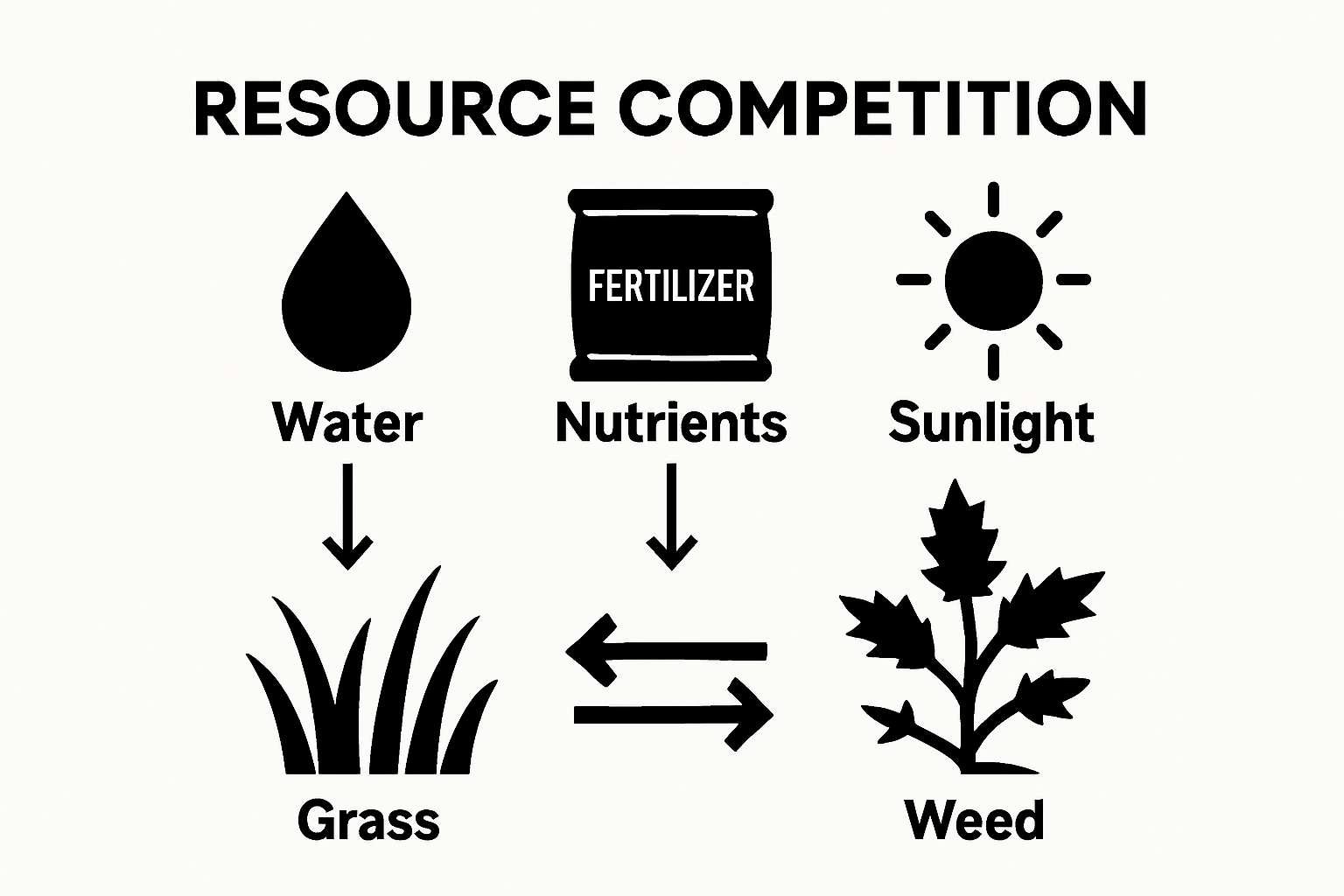
Key resource competition impacts include:
- Dramatic reduction in available soil nutrients
- Decreased water absorption capabilities for desirable grass
- Increased potential for soil erosion
- Compromised root system development
According to University of Guelph Turfgrass Research, uncontrolled weed populations can reduce lawn quality by up to 60% within a single growing season.
Long-Term Landscape Health Implications
Beyond immediate visual concerns, persistent weed infestations create systemic challenges for overall landscape sustainability. Unchecked weed growth can fundamentally alter soil chemistry, disrupt beneficial microbial ecosystems, and create conditions that further encourage invasive plant species.
Learn more about maintaining optimal lawn conditions to develop comprehensive weed management strategies that protect your landscape investment.
Effective weed control is not merely about aesthetic preferences but represents a critical component of responsible landscape stewardship, ensuring your lawn remains a healthy, resilient, and vibrant outdoor environment.
Exploring Different Types of Weed Control Methods
Weed control strategies encompass a comprehensive approach that integrates multiple techniques designed to manage and eliminate unwanted plant growth in lawns. Understanding the diverse methods available enables homeowners to develop targeted, effective approaches that protect their landscape investments.
Chemical Weed Control Strategies
Chemical weed control represents a precise and efficient method for targeting specific weed populations while minimizing damage to desired grass species. These approaches utilize specialized herbicides that can be categorized into two primary application types: preemergence and postemergence treatments.
Key chemical control characteristics include:
- Selective herbicides targeting specific weed varieties
- Nonselective treatments that eliminate all vegetation
- Precise application methods reducing environmental impact
- Long-lasting prevention and control mechanisms
According to University of Delaware Cooperative Extension, chemical methods can effectively reduce weed populations by up to 85% when applied correctly.
Cultural and Mechanical Weed Management
Beyond chemical interventions, cultural and mechanical approaches provide holistic strategies for weed prevention and control. These methods focus on creating optimal growing conditions that naturally suppress weed development and promote robust grass health.
Mechanical techniques involve:
- Manual hand-pulling for small weed infestations
- Precise mowing practices that discourage weed growth
- Soil aeration to strengthen grass root systems
- Strategic landscaping to minimize weed-friendly environments
Learn more about maintaining optimal lawn conditions to develop comprehensive weed management strategies that protect your landscape investment.
Successful weed control requires a multifaceted approach that combines scientific understanding, targeted interventions, and ongoing landscape maintenance, ensuring a healthy, vibrant lawn ecosystem.
To help you compare the main approaches used in lawn weed management, here is a summary of their key features, benefits, and considerations in a convenient table.
| Weed Control Method | Key Features | Main Benefits | Considerations |
|---|---|---|---|
| Chemical | Uses selective or nonselective herbicides | Rapid, targeted action; significant weed reduction | Potential soil impact; application care |
| Mechanical | Manual removal, mowing, soil aeration | Environmentally friendly; immediate results | Labour-intensive for large areas |
| Cultural | Lawn care practices: robust turf, fertilization, watering | Long-term prevention; enhances lawn health | Requires consistent maintenance |
How Weed Control Methods Affect Soil and Plants
Weed control methods create intricate interactions with soil ecosystems and plant life, producing complex biochemical and structural changes that extend far beyond simple weed elimination. Understanding these nuanced relationships is crucial for developing sustainable lawn management strategies that preserve overall landscape health.
Biochemical Interactions and Soil Microbiome
Different weed control approaches generate unique biochemical responses within soil environments. Chemical herbicides, for instance, can temporarily alter soil microbial populations, potentially disrupting the delicate balance of beneficial microorganisms that support grass root development. These interactions can create short-term and long-term transformations in nutrient availability and soil structure.
Key biochemical impact considerations include:
- Potential reduction in beneficial soil microorganism populations
- Temporary changes in soil pH levels
- Altered nutrient absorption capabilities
- Modified soil enzyme activity
According to Canadian Journal of Soil Science, herbicide applications can modify soil microbial composition for up to six months after initial treatment.
Ecological Balance and Plant Resilience
Weed control methods directly influence the ecological balance of lawn ecosystems. Mechanical and cultural approaches often promote more sustainable plant interactions compared to chemical interventions. These methods encourage natural competitive mechanisms, allowing desired grass species to develop stronger root systems and enhanced resilience against future weed invasions.
Learn more about maintaining optimal lawn ecosystems to develop comprehensive strategies that support long-term landscape health.
Comprehensive weed control transcends simple plant removal, representing a sophisticated approach to landscape management that requires careful consideration of ecological interconnections and long-term environmental sustainability.
Below is a table summarizing the impacts of different weed control methods on soil and plant health, showing how each approach interacts with the lawn ecosystem.
| Method | Effect on Soil Microorganisms | Impact on Soil Chemistry | Influence on Plant Resilience |
|---|---|---|---|
| Chemical | Can reduce beneficial microbes short-term | May temporarily alter pH | May slow grass growth initially |
| Mechanical | Minimal effect on microbes | No direct chemical change | Encourages strong root systems |
| Cultural | Supports microbe diversity | Improves soil condition | Increases turf health/resilience |
Integrating Weed Control with Overall Lawn Care Strategies
Successful lawn maintenance requires a holistic approach that seamlessly integrates weed control into broader landscape management strategies. Rather than treating weed elimination as an isolated task, homeowners must develop comprehensive techniques that promote overall grass health and ecosystem resilience.
Proactive Lawn Ecosystem Management
Proactive lawn care represents the most effective strategy for preventing weed proliferation. Healthy, dense turf naturally resists weed invasion by creating competitive growing conditions that limit unwanted plant establishment. This approach focuses on creating optimal environmental conditions that support robust grass growth while simultaneously discouraging weed development.
Key proactive management principles include:
- Maintaining appropriate grass height through consistent mowing
- Implementing strategic fertilization schedules
- Ensuring adequate soil nutrition and pH balance
- Developing consistent watering practices
- Promoting deep, strong root system development
According to Rutgers University Cooperative Extension, integrated lawn management can reduce weed populations by up to 70% compared to reactive treatment methods.
Seasonal Adaptation and Continuous Monitoring
Effective weed control strategies must adapt to changing seasonal conditions and ongoing landscape dynamics. This requires continuous monitoring, precise intervention, and flexible management techniques that respond to emerging challenges.
Explore our comprehensive seasonal lawn care guide to develop a nuanced understanding of how different seasons impact weed control and grass health.
Ultimately, successful weed management transcends simple elimination, representing a sophisticated approach to landscape stewardship that prioritizes long-term ecosystem health and sustainability.
Take Control of Weeds and Restore Lawn Health with Ace Landscapes
Are stubborn weeds ruining the beauty and strength of your lawn? As highlighted in the article, weeds compete for precious nutrients, weaken your turf, and threaten the health of your entire yard. Let Ace Landscapes help you break free from the frustration and reclaim a lush, weed-free lawn. Our team understands the science of weed control and uses professional solutions with proven results.

Trust your property to Calgary’s experts who go beyond simple treatments to deliver tailored services like lawn care, garden bed construction, and ongoing maintenance. Visit Ace Landscapes today to see how our full-service maintenance and seasonal lawn care options can protect your investment. Contact us now and take the first step toward a thriving lawn that stands out in your neighbourhood.
Frequently Asked Questions
What are the main types of weed control methods for lawns?
Weed control methods can be categorized into three primary types: chemical control, which includes preemergence and postemergence herbicides; cultural practices, which focus on creating optimal growing conditions; and mechanical methods, such as manual removal or mowing strategies.
How do chemical weed control methods work?
Chemical weed control methods involve the use of herbicides that target specific weed varieties. Selective herbicides kill only certain types of weeds, while nonselective herbicides eliminate all vegetation. When applied correctly, these methods can significantly reduce weed populations.
What is the impact of mechanical and cultural weed management?
Mechanical and cultural weed management practices help create better conditions for grass health by promoting dense turf growth, which naturally suppresses weed invasion. These methods include hand-pulling, proper mowing practices, and soil aeration.
How can I integrate weed control with overall lawn care?
Integrating weed control with overall lawn care involves a proactive approach, focusing on maintaining healthy, dense grass that resists weed growth. This includes consistent mowing, appropriate fertilization, and regular monitoring of lawn conditions.