Understanding Designing Outdoor Living Spaces for Homes
September 12, 2025Master Hedge Trimming Techniques for a Lush Landscape
September 14, 2025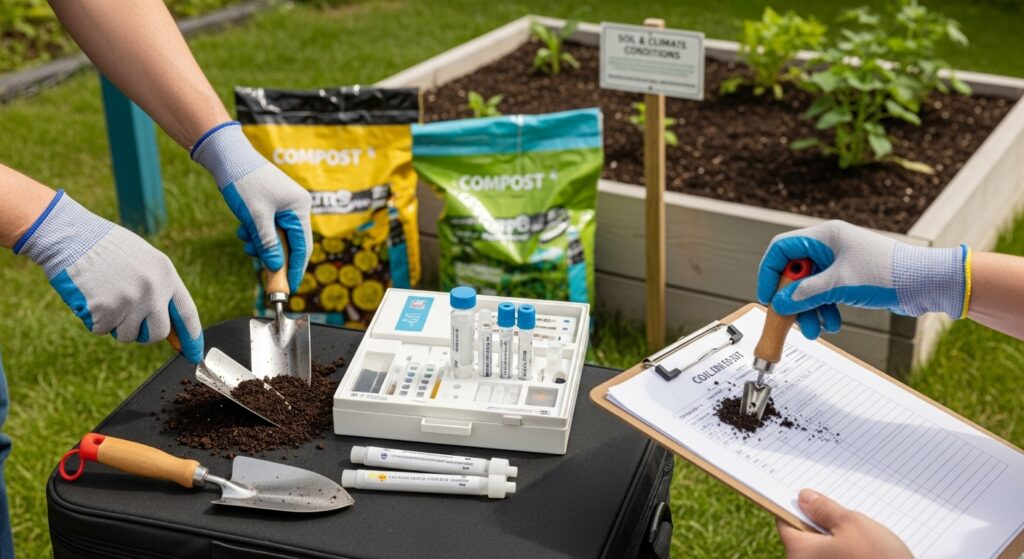
Growing vegetables in Calgary might seem almost impossible when you hear about the wild temperature swings and the average frost-free period being only 127 days each year. Most people assume these challenges make a thriving garden out of reach. But careful planning and practical techniques can actually help you enjoy bigger, healthier harvests than you ever expected.
Table of Contents
- Step 1: Assess Your Soil And Climate Conditions
- Step 2: Select Appropriate Vegetable Varieties
- Step 3: Prepare Your Garden Space Effectively
- Step 4: Plant Your Seeds Or Seedlings Strategically
- Step 5: Maintain Watering And Fertilization Practices
- Step 6: Monitor Growth And Harvest Your Vegetables
Quick Summary
| Key Point | Explanation |
|---|---|
| 1. Conduct a thorough soil test | Assessing pH and nutrient levels is essential to ensure successful plant growth in Calgary’s varied soil conditions. |
| 2. Choose cold-hardy vegetable varieties | Select quick-maturing, cold-tolerant crops like kale and peas to thrive in Calgary’s short growing season. |
| 3. Prepare garden space meticulously | Proper site selection and raised beds enhance drainage and temperature control, crucial for Calgary’s climate. |
| 4. Implement effective watering strategies | Deep, infrequent watering and organic mulching help manage moisture and encourage healthy root development. |
| 5. Monitor growth for timely harvesting | Regular observation allows for early intervention and ensures vegetables are harvested at peak ripeness for optimal flavour. |
Step 1: Assess Your Soil and Climate Conditions
Successful vegetable gardening in Calgary starts with a thorough understanding of your local soil and climate conditions. Calgary presents unique challenges for gardeners, with its short growing season, unpredictable frost dates, and variable soil compositions. Before you plant a single seed, you need to conduct a comprehensive soil and climate assessment that will set the foundation for your vegetable garden’s success.
Soil Testing: The Critical First Step
Calgary’s soil can range from heavy clay to sandy loam, which dramatically impacts plant growth. To determine your specific soil composition, you’ll want to perform a professional soil test. Local garden centres and agricultural extension offices offer comprehensive soil testing services that analyze pH levels, nutrient content, and organic matter. The test results will provide crucial insights into what amendments your soil might require before planting.
Professional soil tests typically cost between $20 and $50 and can save you hundreds in potential plant failure and remediation. When collecting soil samples, gather material from multiple locations in your garden, mixing them to create a representative sample. Aim to collect samples from a depth of 6 to 8 inches, which represents the primary root zone for most vegetable plants.
Climate Considerations for Calgary Gardeners
Calgary’s climate presents unique growing challenges with an average frost-free period of approximately 127 days. Your vegetable selection and planting schedule must align with these constraints. Local gardeners should focus on cold-hardy varieties and implement season extension techniques like raised beds, cold frames, and greenhouse cultivation.
Key climate factors to consider include:
- Average last spring frost date (typically mid May)
- Average first autumn frost date (typically early September)
- Daily temperature fluctuations
- Potential for sudden temperature drops
- Wind exposure in your specific garden location
By meticulously assessing your soil composition and understanding Calgary’s microclimate, you’ll create a robust foundation for a thriving vegetable garden. The insights gained from soil testing and climate analysis will guide every subsequent gardening decision, from variety selection to planting strategies.
According to Agriculture and Agri-Food Canada, understanding local soil conditions is paramount for successful crop production in challenging prairie environments.
Step 2: Select Appropriate Vegetable Varieties
Choosing the right vegetable varieties is a strategic decision that can make or break your Calgary garden. With the city’s unique growing conditions characterized by short summers and potentially unpredictable temperatures, selecting cold-hardy and quick-maturing vegetable varieties becomes crucial for a successful harvest.
Understanding Calgary’s Growing Zone and Vegetable Compatibility
Calgary sits in Plant Hardiness Zone 4a, which means gardeners must be exceptionally strategic about vegetable selection. Your goal is to choose varieties that can complete their growth cycle within the relatively narrow 127-day frost-free period. Focus on vegetables that mature quickly and can withstand temperature fluctuations.
Cold-tolerant vegetables like kale, spinach, radishes, and peas perform exceptionally well in Calgary’s climate. These plants not only survive early spring and late autumn temperatures but also thrive in cooler conditions. Root vegetables such as carrots, beets, and turnips are particularly well-suited to the region’s soil and temperature variations.
For tomatoes and peppers, which require more warmth, select short-season, determinant varieties that mature rapidly. Look for specific cultivars bred for northern climates, such as Early Girl tomatoes or Manitoba tomatoes, which can set fruit quickly before the first frost arrives.
Key considerations when selecting vegetable varieties include:
- Days to maturity
- Cold tolerance
- Resistance to local pests
- Compact growth habits
- Suitability for container or raised bed gardening
Local seed suppliers and garden centres are invaluable resources for finding region-specific vegetable varieties. They often stock seeds specifically selected for Calgary’s challenging growing conditions. Some nurseries even offer starter plants that have already been acclimated to local temperatures, giving you a head start on the growing season.
Consider purchasing seeds from Canadian seed companies that specialize in varieties developed for prairie climates. These seeds are more likely to perform well in Calgary’s unique environmental conditions compared to generic or internationally sourced varieties.
According to Seeds of Diversity Canada, selecting regionally adapted vegetable varieties increases the likelihood of a successful harvest by up to 60% compared to non-adapted varieties. By investing time in careful variety selection, you set the stage for a bountiful and resilient vegetable garden.
The table below provides a quick comparison of common vegetable options for Calgary gardens, highlighting specific maturity periods, cold tolerance, and key compatibility points for the short growing season.
| Vegetable | Days to Maturity | Cold Tolerance | Notes/Varietal Tips |
|---|---|---|---|
| Kale | 50-65 | Excellent | Thrives in cool conditions |
| Spinach | 40-50 | Very Good | Quick to mature, bolt-resistant varieties preferred |
| Radishes | 25-30 | High | Fastest producer |
| Peas | 55-65 | Very Good | Plant early, tolerates cool soil |
| Carrots | 65-80 | Good | Small or early cultivars mature quickest |
| Beets | 50-65 | Good | Performs well in variable temps |
| Tomatoes (Early Girl) | 52-60 | Fair (short-season) | Choose Early Girl or Manitoba for fast harvest |
| Peppers (Short-season) | 60-70 | Poor to Moderate | Start indoors, select for rapid maturity |
Step 3: Prepare Your Garden Space Effectively
Garden preparation is a critical foundation for successful vegetable growing in Calgary. Your garden space must be meticulously planned and prepared to maximize growing potential and overcome the region’s challenging climate conditions. This step transforms your outdoor area from a basic landscape into a productive vegetable cultivation zone.
Site Selection and Layout Strategy
Choosing the right location is paramount for vegetable gardening success. Seek out a garden area that receives minimum 6-8 hours of direct sunlight daily, particularly crucial in Calgary’s shorter growing season. Southern or southeastern exposures provide optimal light conditions and protect plants from harsh northern winds. Consider proximity to water sources and ensure the location has good drainage to prevent water accumulation during Calgary’s unpredictable precipitation periods.
Raised beds offer significant advantages in Calgary’s variable climate. They warm faster in spring, provide superior drainage, and allow better soil temperature control. When constructing raised beds, aim for depths between 12-18 inches, which provides ample root space and improves overall plant health. Use untreated, rot-resistant lumber like cedar to construct beds that will withstand Calgary’s moisture variations.
Essential garden preparation tasks include:
- Removing existing grass and weeds thoroughly
- Breaking up compacted soil to a minimum depth of 12 inches
- Incorporating organic matter like compost or well-aged manure
- Leveling the garden surface to ensure consistent water distribution
- Creating clear pathways between growing areas
Soil amendment is crucial in Calgary’s often clay-heavy landscape. Integrate high-quality organic compost to improve soil structure, enhance nutrient availability, and promote better drainage. Aim to add 2-3 inches of organic material across your entire garden space, mixing it thoroughly into existing soil.
Consider wind protection strategies, especially in Calgary’s open prairie environment. Strategically placed windbreaks using shrubs, fencing, or temporary barriers can shield delicate vegetable plants from sudden temperature drops and strong winds. These protective measures are particularly important during early spring and late autumn when temperature fluctuations are most extreme.
According to Alberta Agriculture and Forestry, proper garden preparation can increase vegetable yield by up to 40% compared to unprepared garden spaces. By investing time and effort into thorough site preparation, you create an optimal growing environment that maximizes your chances of a successful harvest.
Step 4: Plant Your Seeds or Seedlings Strategically
Planting seeds and seedlings in Calgary requires precision and strategic timing. The short growing season demands a calculated approach that maximizes your vegetables’ potential for robust growth and successful harvesting. Understanding the nuanced timing and technique will transform your garden from a mere plot of land into a thriving vegetable production zone.
Indoor Seed Starting and Timing
For Calgary’s unique climate, indoor seed starting becomes a critical strategy for extending your growing season. Begin by selecting high-quality seeds suited to your hardiness zone. Most cold-tolerant vegetables like kale, spinach, and peas can be directly sown into the garden. However, heat-loving plants such as tomatoes, peppers, and eggplants require an early indoor start.
Create a seed starting schedule that aligns with Calgary’s last expected frost date, typically mid-May. Begin indoor seed germination 6-8 weeks before this date.
Use sterile seed starting mix, which provides optimal drainage and prevents fungal diseases. Maintain consistent moisture and temperature between 65-75 degrees Fahrenheit to encourage robust seedling development.
Essential seed planting considerations include:
- Planting depth according to specific vegetable seed requirements
- Maintaining consistent soil moisture
- Providing adequate light through grow lights or sunny windows
- Gradually hardening off seedlings before outdoor transplanting
- Monitoring temperature and protecting young plants
When transplanting seedlings outdoors, timing and technique are paramount. Wait until soil temperatures reach a consistent 50 degrees Fahrenheit and overnight temperatures remain above freezing. Introduce seedlings to outdoor conditions gradually through a process called hardening off. Start by placing seedlings outside for a few hours daily, incrementally increasing exposure over 7-10 days.
For direct soil seeding, pay close attention to soil temperature and moisture. Cool-season crops like radishes, carrots, and peas can be planted earlier, while warm-season crops require soil temperatures of at least 60 degrees Fahrenheit. Use a soil thermometer to ensure optimal planting conditions and prevent seed failure.
This checklist table summarizes crucial late-spring planting and seedling preparation steps to help ensure timing, method, and climate considerations are addressed for Calgary gardens.
| Task | Key Action | Timing Guidance |
|---|---|---|
| Start Heat-Loving Seeds Indoors | Sow tomatoes, peppers indoors in trays | 6-8 weeks before last frost |
| Prepare Raised Beds/Soil | Amend with compost, ensure good drainage | Early spring |
| Direct Sow Cold-Tolerant Crops | Plant peas, kale, radishes directly outdoors | As soon as soil is workable |
| Monitor Soil Temperature | Use soil thermometer for warm-season crops | Aim for 50-60°F+ before planting |
| Harden Off Seedlings | Gradually expose indoor plants to outside | 7-10 days before transplanting |
| Transplant Seedlings | Move outside after danger of frost passed | After mid-May (Calgary avg) |
According to Agriculture Canada, strategic seed planting techniques can improve germination rates by up to 35% and enhance overall crop productivity in challenging prairie environments.
Step 5: Maintain Watering and Fertilization Practices
Successful vegetable gardening in Calgary hinges on mastering precise watering and fertilization techniques. The region’s variable climate demands a nuanced approach that balances moisture retention, nutrient delivery, and plant health. Your goal is to create an optimal growing environment that supports robust vegetable development throughout the short but intense growing season.
Watering Strategies for Calgary’s Climate
Water management is critical in Calgary’s dry prairie environment. Deep, infrequent watering encourages stronger root development compared to frequent shallow irrigation. Aim to provide approximately 1-1.5 inches of water per week, adjusting based on rainfall and individual vegetable requirements. Morning watering is ideal, allowing foliage to dry before evening and reducing disease risk.
Mulching emerges as a game-changing technique for Calgary gardeners. Apply a 2-3 inch layer of organic mulch like straw, wood chips, or compost around your vegetable plants. Mulch serves multiple purposes: conserving soil moisture, regulating soil temperature, suppressing weeds, and gradually decomposing to add nutrients to your garden.
Critical watering and fertilization considerations include:
- Monitoring soil moisture using a simple finger test
- Checking plant-specific water requirements
- Using drip irrigation or soaker hoses for efficient water delivery
- Avoiding overhead watering that can promote fungal diseases
- Adjusting watering frequency during heat waves
Fertilization requires a strategic approach tailored to Calgary’s short growing season. Organic, slow-release fertilizers provide steady nutrient delivery without overwhelming young plants. Incorporate compost or well-aged manure into your soil before planting, then supplement with balanced organic fertilizers throughout the growing season.
Different vegetables have unique nutritional needs. Leafy greens like spinach and kale thrive with nitrogen-rich amendments, while fruiting vegetables such as tomatoes and peppers benefit from phosphorus and potassium-focused fertilizers. Consider using compost tea or seaweed-based fertilizers to provide a broad spectrum of micronutrients that support overall plant health.
According to Alberta Agriculture and Forestry, implementing targeted fertilization and water management practices can increase vegetable yields by up to 40% in prairie growing environments. By understanding and responding to your plants’ specific needs, you’ll create a thriving, productive vegetable garden that overcomes Calgary’s challenging growing conditions.
Step 6: Monitor Growth and Harvest Your Vegetables
As your vegetable garden matures, monitoring growth and harvesting at the right moment becomes an art form that requires keen observation and understanding of each plant’s unique development cycle. Calgary’s short growing season demands precise attention to ensure you maximize your vegetable production and capture peak flavour and nutritional value.
Growth Monitoring Techniques
Successful vegetable gardening goes beyond planting and watering. Daily observation is crucial for detecting early signs of potential issues like pest infestations, nutrient deficiencies, or disease. Invest in a garden journal to track plant progress, noting growth rates, flowering times, and any anomalies. Regular monitoring allows you to intervene quickly, preventing minor problems from becoming major setbacks.
Different vegetables signal their readiness through unique indicators. Leafy greens like spinach and kale can be harvested using a cut-and-come-again method, where you remove outer leaves while allowing the centre to continue producing. Root vegetables such as carrots and beets require careful soil manipulation to check size and maturity without damaging the plant.
Critical monitoring and harvesting considerations include:
- Checking vegetable size and colour development
- Examining leaves for signs of stress or disease
- Using clean, sharp tools for harvesting
- Harvesting during cool morning hours
- Storing vegetables immediately after picking
Timely harvesting is essential in Calgary’s compressed growing season. Most vegetables have a narrow window of peak ripeness where they deliver maximum flavour and nutritional value. For instance, zucchinis should be picked when they’re 6-8 inches long, while tomatoes need to be harvested just as they transition from green to their final colour.
Preserve your harvest’s quality by handling vegetables gently and storing them appropriately.
Cool, dark spaces work best for root vegetables, while leafy greens require refrigeration. Consider techniques like blanching and freezing to extend your vegetable enjoyment beyond the immediate harvest season.
Pest and disease management remains integral during the monitoring phase. Regularly inspect plants for signs of stress, discolouration, or unexpected growth patterns. Remove any diseased plant material immediately to prevent spread and maintain overall garden health.
According to Agriculture Canada, proper monitoring and timely harvesting can increase vegetable quality and yield by up to 30% in challenging prairie growing environments.
Take Your Calgary Vegetable Garden from Trial to Triumph with Ace Landscapes
If you are feeling overwhelmed by Calgary’s short growing season, complex soil conditions, and ever-changing weather, you are not alone. Crafting a successful vegetable garden here takes more than passion. You need a careful approach to soil testing, raised bed preparation, watering systems, and climate strategies to transform knowledge into real results. This is where local expertise truly counts. Imagine a thriving garden custom-built for Calgary’s conditions, with fertile soil, protected beds, and a design that makes your harvests rewarding every season.
Let the experts at Ace Landscapes close the gap between advice and action. Our team can assist with everything from custom garden bed construction and comprehensive soil amendment to ongoing garden maintenance and seasonal cleanups. If you want homegrown produce without months of trial and error, contact us today. Secure your consultation now and ensure this growing season is your most fruitful yet.
Frequently Asked Questions
What vegetables grow well in Calgary’s climate?
Vegetables that thrive in Calgary’s climate include cold-tolerant varieties like kale, spinach, radishes, peas, carrots, beets, and turnips. For warm-season crops, consider short-season varieties of tomatoes and peppers, such as Early Girl tomatoes and Manitoba tomatoes.
How can I extend my growing season in Calgary?
To extend your growing season, utilize techniques like raised beds, cold frames, and greenhouses. Starting seeds indoors 6-8 weeks before the last expected frost date and using mulch to retain soil moisture can also help.
What factors should I consider when preparing my garden in Calgary?
Key factors include choosing a location that receives 6-8 hours of sunlight, ensuring good drainage, and incorporating organic matter like compost to improve soil quality. Wind protection and raised beds can also enhance your garden’s success in Calgary’s variable climate.
How often should I water my vegetable garden in Calgary?
Water your garden deeply and infrequently, providing approximately 1-1.5 inches of water per week. Monitor soil moisture using a finger test and adjust your watering schedule based on rainfall and the specific needs of different vegetable varieties.