
Understanding the Cost to Landscape a Yard
September 11, 2025
Master Growing Vegetables in Calgary: A Complete Guide
September 13, 2025
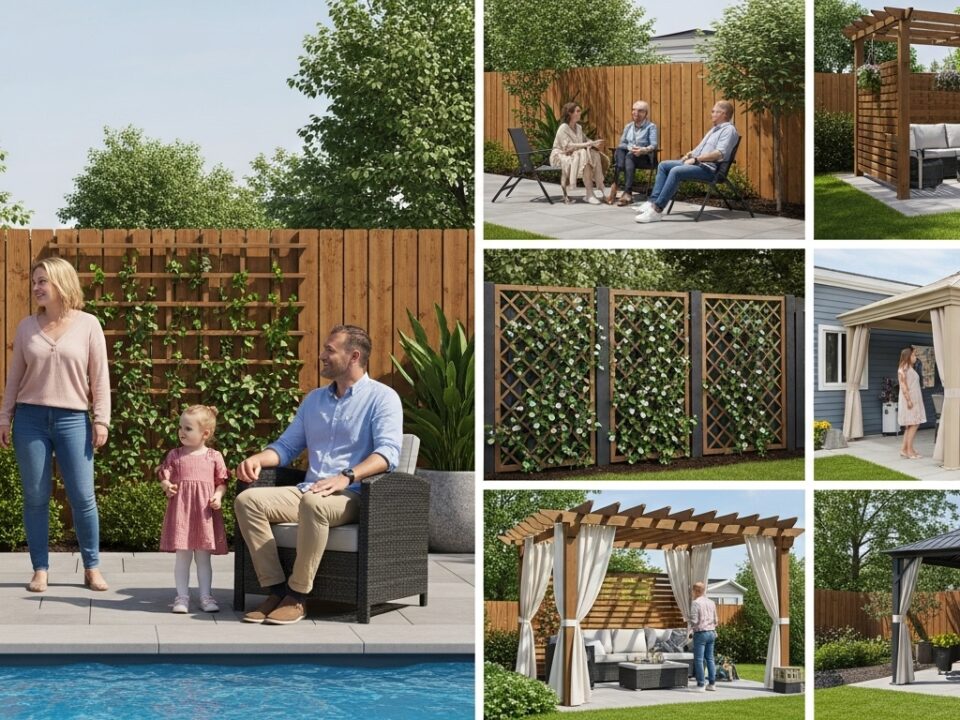
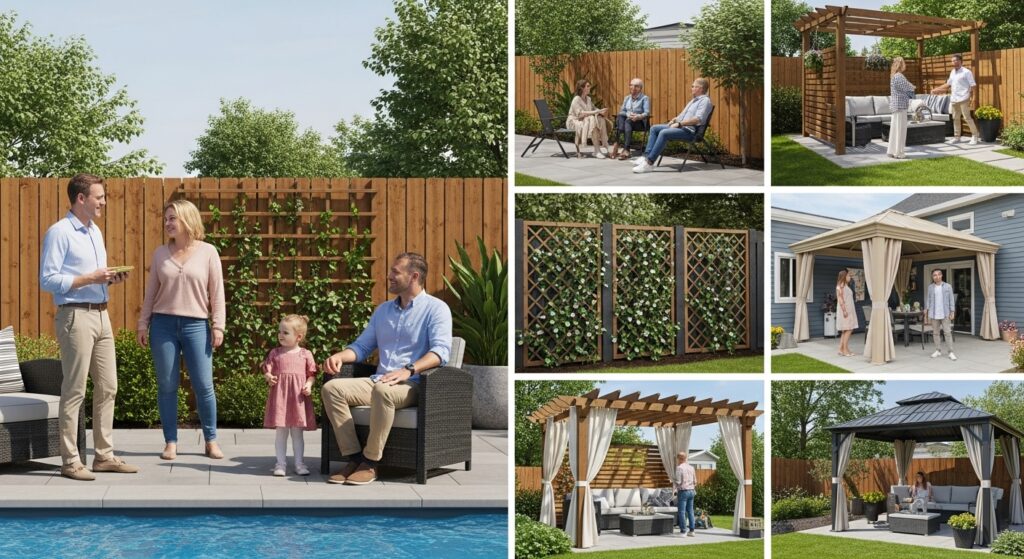
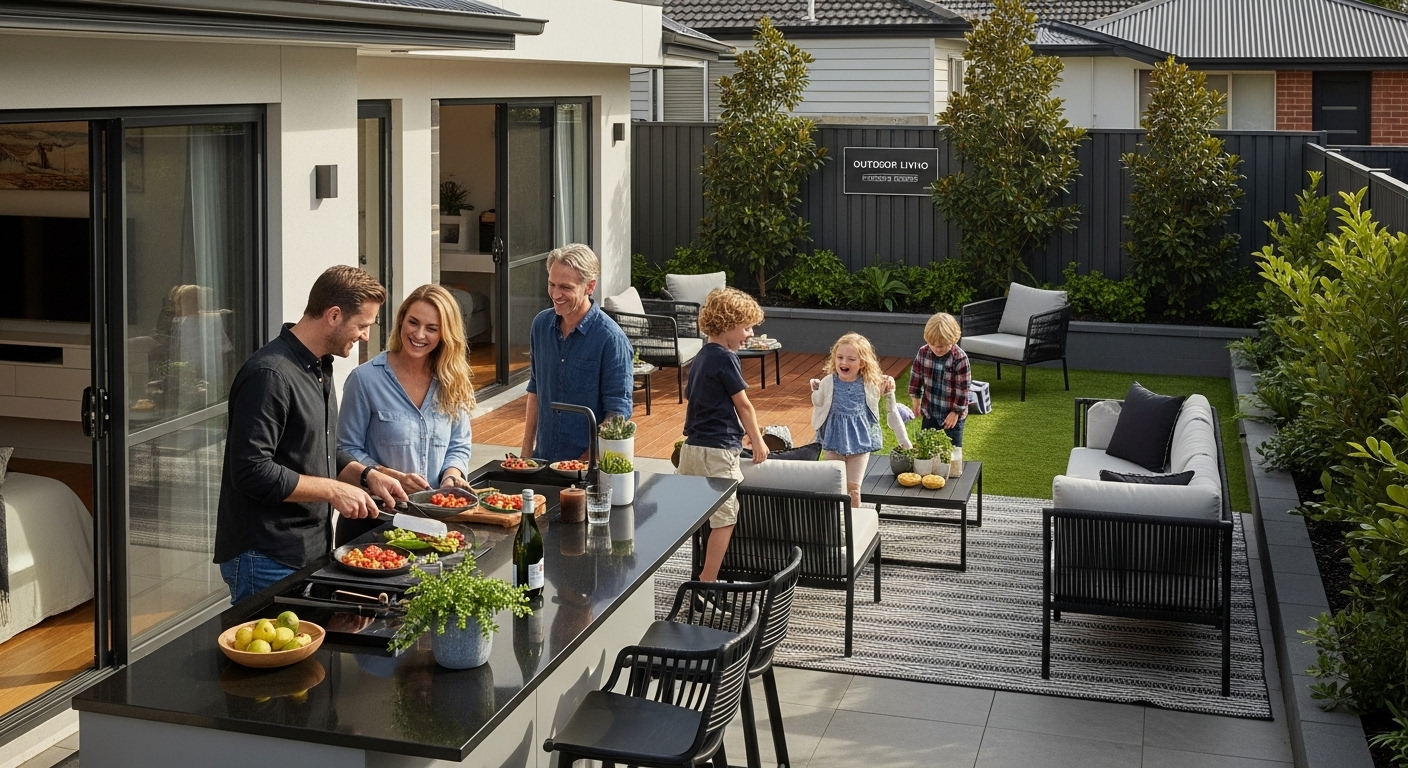
People are spending more time at home than ever, and the rise of outdoor living spaces is transforming what our backyards can do. Turns out, these areas are not just about style. Research shows that only 23 percent of homeowners actually use their outdoor areas to their full potential, even though these spaces offer physical, mental, and social benefits you might never expect. Most think a lawn and patio are enough, but the real magic happens when every inch is carefully designed for comfort, wellness, and year-round use.
Table of Contents
- What Are Outdoor Living Spaces And Their Importance?
- The Benefits Of Well-Designed Outdoor Areas
- Key Elements Of Successful Outdoor Living Spaces
- How Climate And Environment Influence Design Choices
- Practical Applications And Trends In Outdoor Living Design
Quick Summary
| Takeaway | Explanation |
|---|---|
| Prioritize functional design and layout | Intelligent organization of spaces enhances usability and visual appeal for outdoor living areas. |
| Incorporate elements for comfort and integration | Comfort involves thoughtful choices in protecting against weather and improving the sensory experience outdoors. |
| Embrace technological advancements | Smart features improve efficiency and user experience in outdoor environments through automated systems. |
| Focus on sustainability in design | Choosing eco-friendly materials and native landscaping supports the environment and reduces impact. |
| Consider climate for optimal functionality | Understanding local environmental conditions ensures outdoor spaces remain comfortable and usable throughout the year. |
What are Outdoor Living Spaces and Their Importance?
Outdoor living spaces are carefully designed exterior areas of residential properties that extend functional living environments beyond traditional indoor boundaries. These purposefully crafted spaces transform ordinary yards into versatile, comfortable zones for relaxation, entertainment, and personal enjoyment.
Defining Outdoor Living Spaces
Outdoor living spaces encompass more than simple patios or decks. They represent strategic architectural and landscaping designs that create seamless transitions between interior and exterior environments. Key characteristics include thoughtful layout, comfortable furnishings, integrated amenities, and purposeful aesthetic considerations.
Typical elements of well-designed outdoor living spaces might include:
- Covered seating areas
- Outdoor kitchen facilities
- Comfortable lounge zones
- Strategic lighting configurations
- Landscape features like water elements or fire pits
Health and Wellness Benefits
According to research from ResearchGate, outdoor living spaces provide substantial physical and psychological advantages. These environments encourage increased time spent outdoors, promote stress reduction, and support more active lifestyle patterns.
Well-designed outdoor spaces can significantly enhance personal well-being by providing dedicated areas for:
- Social interaction
- Physical exercise
- Relaxation and mental restoration
- Connection with natural environments
By transforming exterior areas into functional, inviting spaces, homeowners create valuable extensions of their living environments that support holistic personal health and lifestyle quality. Designing outdoor living spaces requires careful planning, understanding individual needs, and integrating aesthetic and functional considerations into a cohesive, enjoyable environment.
The Benefits of Well-Designed Outdoor Areas
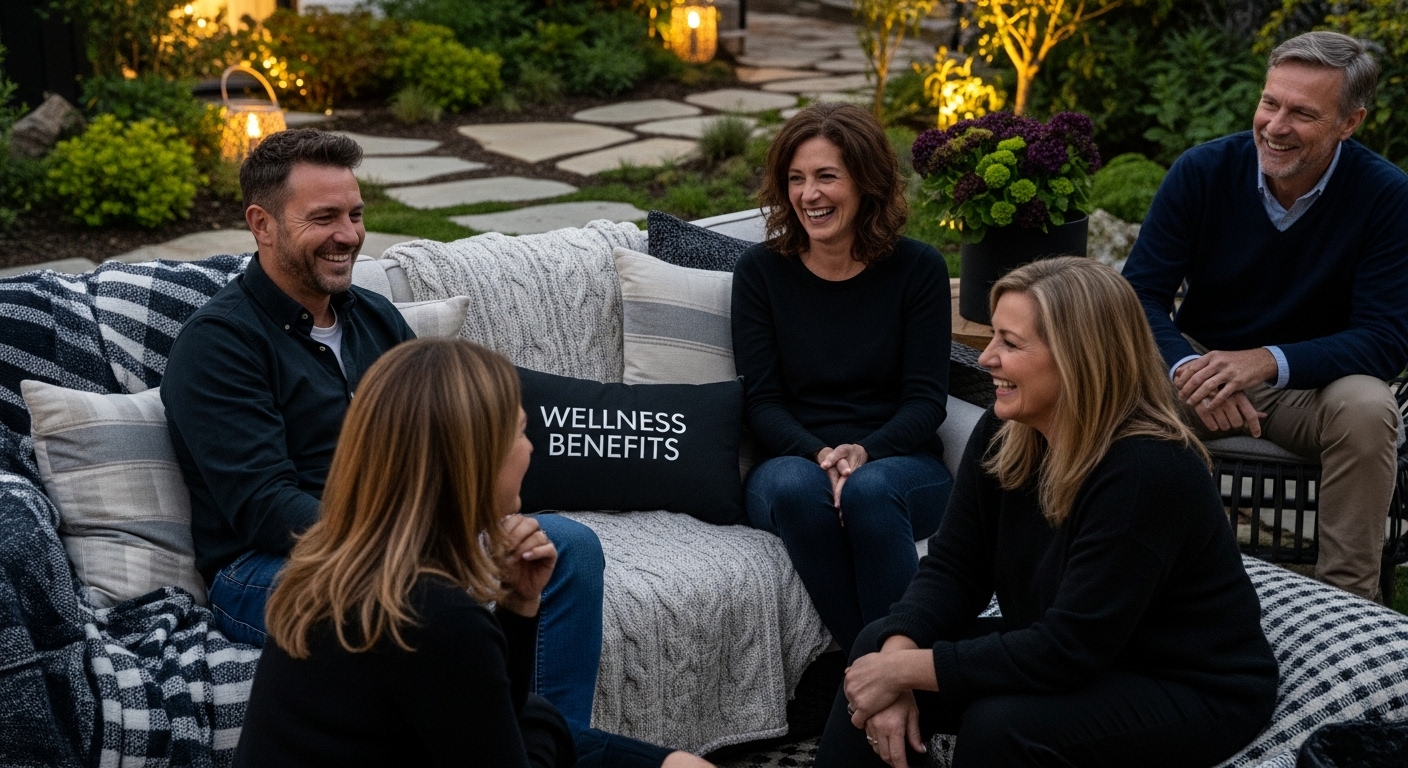
Well-designed outdoor living spaces are strategic investments that extend far beyond aesthetic appeal, offering substantial physical, psychological, and social advantages for homeowners. These purposefully crafted environments transform residential exteriors into multifunctional zones that enhance overall quality of life.
Physical Health and Active Lifestyle Promotion
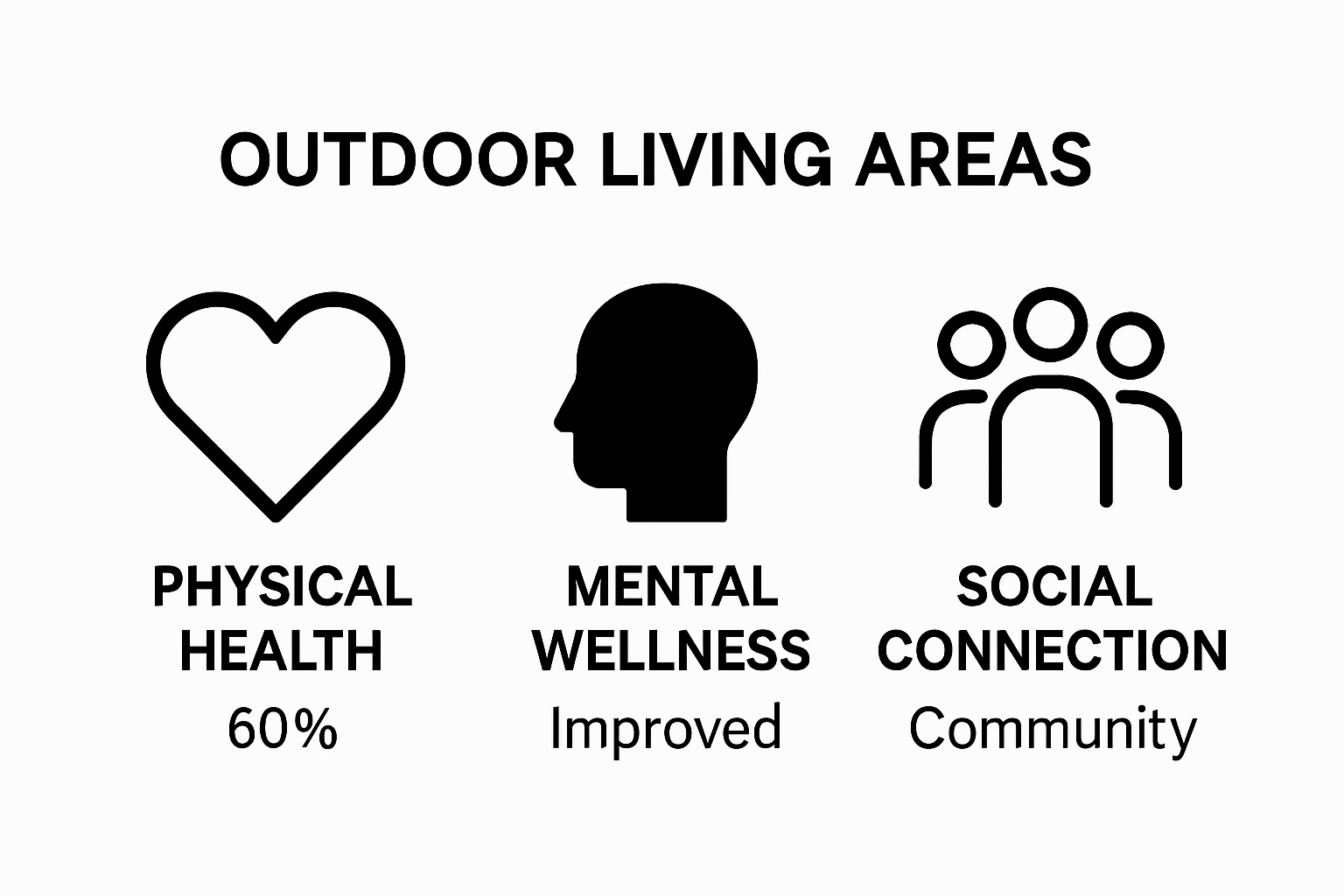
According to Colorado State University’s Landscape for Life, outdoor spaces directly contribute to residents’ physical wellness. Thoughtfully designed exterior areas encourage movement, provide opportunities for exercise, and create natural environments that support active lifestyles.
Key physical health benefits include:
- Increased daily physical activity opportunities
- Enhanced cardiovascular fitness through garden maintenance
- Natural spaces that motivate outdoor exercise
- Improved muscle engagement through landscaping activities
Mental Wellness and Stress Reduction
Outdoor living areas serve as critical sanctuaries for mental restoration and stress management. These environments offer peaceful retreats from indoor constraints, providing natural settings that promote psychological recuperation and emotional balance.
Mental health advantages encompass:
- Reduced stress and anxiety levels
- Enhanced mood through natural environment exposure
- Opportunities for mindful relaxation
- Improved cognitive function through nature interaction
Social Connection and Community Engagement
Well-designed outdoor spaces function as social platforms that facilitate interpersonal connections and community interactions. These areas create inviting environments for gatherings, celebrations, and shared experiences, strengthening personal and neighborhood relationships.
Social benefits include creating spaces for:
- Family gatherings and reunions
- Neighborhood social events
- Collaborative gardening activities
- Informal community interactions
By integrating strategic design principles, homeowners can transform ordinary exterior spaces into dynamic, multifunctional environments that support holistic well-being, encourage active lifestyles, and foster meaningful social connections.
The following table summarizes the main benefits of well-designed outdoor living spaces, organizing the physical, mental, and social advantages mentioned in the article for easy comparison.
| Benefit Category | Description |
|---|---|
| Physical Health | Encourages daily movement and exercise, supports cardiovascular wellness, and improves muscle fitness |
| Mental Wellness | Reduces stress and anxiety, enhances mood, and provides opportunities for mindful relaxation |
| Social Connection | Enables gatherings, fosters community engagement, and strengthens personal relationships |
| Connection with Nature | Supports psychological restoration and improves cognitive function |
| Active Lifestyle Promotion | Motivates outdoor activities and promotes active habits |
Key Elements of Successful Outdoor Living Spaces
Creating exceptional outdoor living spaces requires strategic planning, thoughtful design, and a comprehensive understanding of functional and aesthetic principles. These environments demand careful consideration of multiple interconnected elements that transform ordinary exterior areas into extraordinary living experiences.
Functional Design and Layout
Successful outdoor living spaces prioritize intelligent spatial organization and purposeful design. The layout must seamlessly integrate practical considerations with aesthetic appeal, ensuring every square metre serves a meaningful function while maintaining visual harmony.
Critical functional design elements include:
- Clear traffic flow patterns
- Distinct activity zones
- Proportional spatial relationships
- Flexible configuration options
- Ergonomic furniture placement
Comfort and Environmental Integration
According to research in Environmental Health, successful outdoor environments create multi-sensory experiences that enhance user satisfaction. Comfort transcends physical amenities, encompassing psychological and emotional connections with the surrounding landscape.
Key comfort considerations involve:
- Temperature management strategies
- Wind protection mechanisms
- Natural shade provisions
- Sound dampening techniques
- Visual privacy elements
Material Selection and Durability
Comprehensive outdoor living spaces require carefully selected materials that balance aesthetic appeal with long-term performance. Durability, maintenance requirements, and environmental resilience become paramount in creating sustainable exterior environments.
Essential material selection criteria include:
- Weather resistance
- Low maintenance requirements
- Sustainable sourcing
- Aesthetic compatibility
- Thermal performance
By integrating these sophisticated design principles, homeowners can transform exterior spaces into dynamic, resilient environments that offer exceptional functionality, comfort, and visual appeal while supporting diverse lifestyle needs.
This table outlines the key elements of successful outdoor living spaces, showing how each element contributes to a functional, comfortable, and resilient environment as described in the article.
| Design Element | Purpose/Benefit | Key Considerations |
|---|---|---|
| Functional Design & Layout | Enhances usability and flow | Clear traffic patterns, defined zones, spatial relationships |
| Comfort & Environmental Integration | Improves enjoyment and sensory experience | Temperature management, wind protection, shade, privacy |
| Material Selection & Durability | Ensures long-term performance and sustainability | Weather resistance, low maintenance, eco-friendly sourcing |
How Climate and Environment Influence Design Choices
Outdoor living spaces are intrinsically linked to their surrounding environmental conditions, requiring nuanced design strategies that respond intelligently to local climate characteristics. Successful outdoor area design demands comprehensive understanding of regional environmental dynamics, transforming potential challenges into opportunities for creating exceptional living environments.
Microclimatic Considerations
According to USDA Forest Service research, microclimatic factors play a pivotal role in shaping outdoor living space design. These localized environmental conditions directly influence comfort, functionality, and sustainability of exterior spaces.
Key microclimatic elements include:
- Solar radiation exposure
- Wind patterns and intensity
- Humidity levels
- Temperature fluctuations
- Seasonal precipitation variations
Strategic Landscape Adaptation
Intelligent landscape design transforms environmental challenges into design opportunities, utilizing natural and constructed elements to mitigate adverse climate impacts. Designers strategically incorporate vegetation, architectural structures, and material selections to enhance outdoor space performance.
Adaptation strategies encompass:
- Selecting native plant species
- Creating natural shade zones
- Implementing wind barriers
- Designing drainage solutions
- Utilizing thermal-regulating materials
Seasonal Performance Optimization
Comprehensive outdoor living spaces must demonstrate remarkable versatility across different seasonal conditions. Successful designs anticipate and accommodate dramatic environmental shifts, ensuring spaces remain functional and comfortable throughout yearly climate transitions.
Seasonal performance considerations include:
- Summer heat management
- Winter wind protection
- Spring moisture control
- Autumn temperature moderation
- Year-round usability
By integrating sophisticated environmental analysis with creative design principles, homeowners can develop outdoor living spaces that harmonize seamlessly with local climate conditions, delivering exceptional functionality and aesthetic appeal across changing environmental contexts.
Practical Applications and Trends in Outdoor Living Design
Outdoor living design continues to evolve, reflecting changing lifestyle preferences, technological advancements, and heightened awareness of environmental sustainability. Contemporary design approaches prioritize versatility, functionality, and seamless integration of indoor and outdoor experiences.
Emerging Design Trends
According to the International Casual Furnishings Association, modern outdoor living spaces are experiencing significant transformations. Only 23% of homeowners currently utilize their outdoor areas to their full potential, indicating substantial room for innovative design solutions.
Key emerging design trends include:
- Multi-functional space configurations
- Technology-integrated outdoor environments
- Sustainable and eco-friendly design elements
- Modular and adaptable furniture systems
- Wellness-oriented landscape planning
Technology and Smart Integration
Technological innovations are revolutionizing outdoor living spaces, enabling more intelligent, responsive, and personalized environments. Smart design incorporates advanced systems that enhance comfort, efficiency, and user experience.
Technological integration strategies encompass:
- Automated climate control mechanisms
- Wireless connectivity infrastructure
- Energy-efficient lighting solutions
- Remote-controlled environmental systems
- Integrated entertainment technologies
Sustainability and Ecological Consciousness
Contemporary outdoor living design increasingly emphasizes environmental responsibility and ecological harmony. Designers are developing spaces that not only minimize environmental impact but actively contribute to ecosystem health.
Sustainability focus areas include:
- Native plant landscaping
- Water conservation techniques
- Renewable material selections
- Carbon-neutral design principles
- Biodiversity support strategies
By embracing these innovative approaches, homeowners can transform outdoor living spaces into dynamic, intelligent environments that adapt to changing lifestyle needs while promoting personal well-being and environmental stewardship.
Ready to Transform Your Outdoor Living Space in Calgary?
If you dream of an outdoor area that truly reflects your lifestyle and brings relaxation, wellness, and year-round enjoyment, you likely already feel the frustration of underused or poorly designed yards. The article highlighted how outdoor living spaces should blend comfort, functionality, and seamless integration with local climate. At Ace Landscapes, these key challenges are where our Calgary-based team excels. We bring your outdoor vision to life, ensuring every element—from functional layouts to lasting materials—is tailored for Alberta’s environment and your personal goals. Our expertise covers everything from innovative landscape design to custom hardscaping and ongoing property care for every season.
Take the next step toward a healthier, more functional, and inviting outdoor living space. Discover how Ace Landscapes can help reinvent your yard by exploring our professional landscaping services. Visit Ace Landscapes now to see our portfolio, read our client stories, and request your no-obligation consultation. Your dream outdoor retreat can become reality this season—let us help you start today.
Frequently Asked Questions
What are the key elements to consider when designing outdoor living spaces?
Key elements include functional design and layout, comfort and environmental integration, material selection and durability, and understanding microclimatic factors. These elements help ensure the space is both aesthetically pleasing and practical.
How can outdoor living spaces benefit physical health?
Well-designed outdoor living spaces promote physical health by encouraging outdoor activities, providing areas for exercise, and supporting an active lifestyle through engaging garden maintenance and movement opportunities.
What role does comfort play in outdoor living design?
Comfort is essential in outdoor living design, encompassing not just physical amenities but also psychological and emotional connections to the environment. Factors like temperature management, wind protection, and visual privacy contribute to a more enjoyable experience.
How can I make my outdoor living space adaptable to seasonal changes?
To create a versatile outdoor living space, consider features that manage summer heat and winter wind, incorporate natural shading solutions, use thermal-regulating materials, and design for effective drainage to handle seasonal precipitation variations.
Recommended
- Top 10 Patio Designs That Will Wow Your Guests
- The importance of hiring a contractor for building a patio
- Transform Your Outdoor Space with a Stunning Patio Design
- Problems with Artificial Grass on Decking – Ace Landscapes
- Why Your Home’s Orientation Matters More Than You Think | RumahHQ – Kontraktor Bina & Renovate Rumah
- Creative Ideas for Using Landscape Lighting | Lawn Sense