
How to Fertilize Lawns for Lush Green Grass
September 9, 2025
Understanding the Cost to Landscape a Yard
September 11, 2025
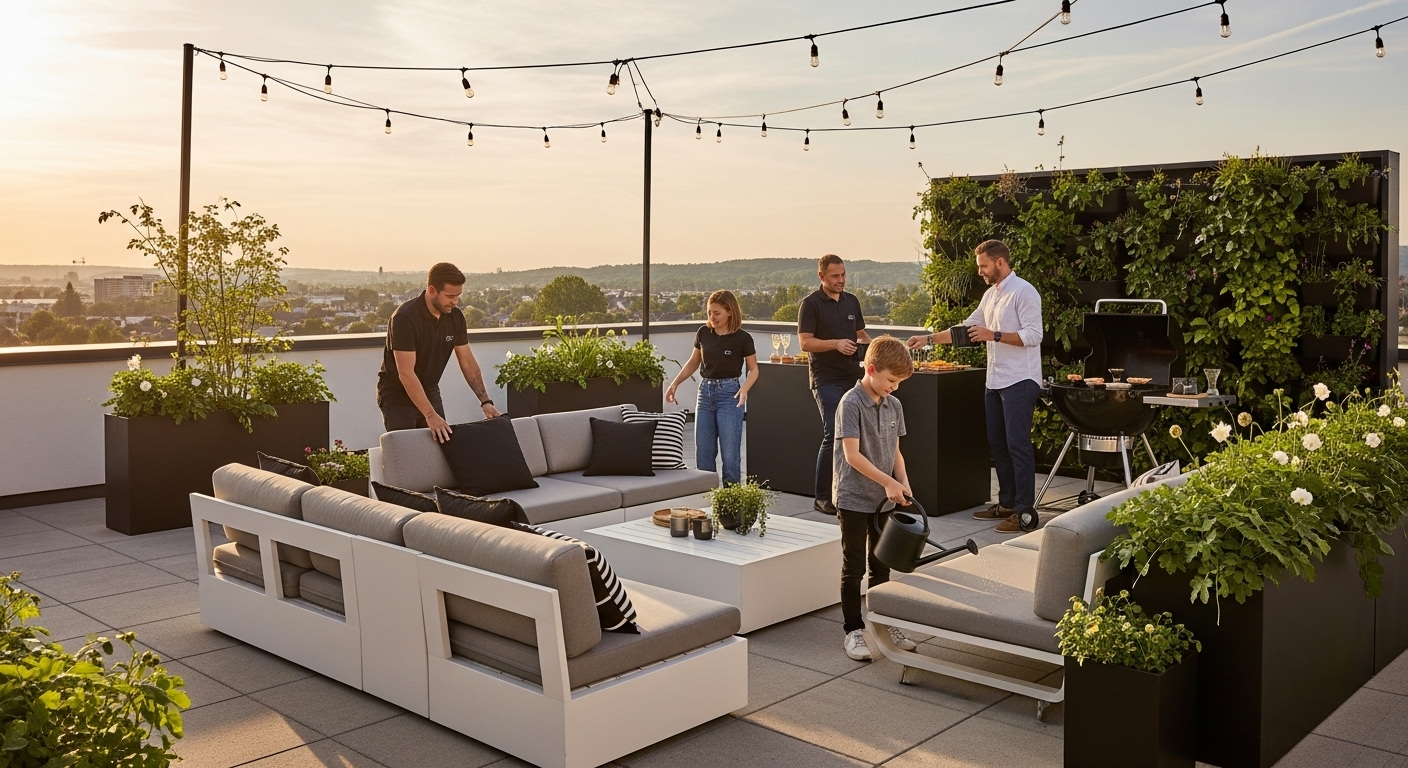
Modern patio design ideas are completely reshaping how people think about outdoor living and relaxation. Minimalism is trending hard, but fewer than 1 in 4 homeowners actually make use of multi-functional furniture outdoors, even though it saves space and adds serious versatility. Most would guess a high-end look depends on pricey upgrades, but it turns out the right materials, a few smart zones, and a beautiful planter or two can create a magazine-worthy space on any budget.
Table of Contents
- Embrace Minimalism For A Clean Look
- Incorporate Sustainable Materials
- Use Multi-Functional Furniture
- Create Zones For Different Activities
- Enhance Lighting For Ambiance
- Add Greenery With Planters And Vertical Gardens
- Personalize With Art And Decor
Quick Summary
| Takeaway | Explanation |
|---|---|
| Embrace minimalism for a serene space | Focus on clean lines and a simple colour palette to create a calm outdoor environment. |
| Prioritize sustainable materials in design | Use eco-friendly options like recycled or locally sourced materials to reduce environmental impact while enhancing aesthetics. |
| Incorporate multi-functional furniture | Select versatile furniture that serves multiple purposes to maximize limited outdoor space and improve functionality. |
| Create distinct zones for activities | Designate separate areas for dining, lounging, and gardening to enhance the usability and flow of your outdoor space. |
| Enhance ambiance with layered lighting | Use various lighting types to increase functionality and create inviting atmospheres for night-time enjoyment. |
1: Embrace Minimalism for a Clean Look
Modern patio design ideas have evolved dramatically, with minimalism emerging as a powerful trend that transforms outdoor spaces into sophisticated, streamlined environments. By stripping away unnecessary elements and focusing on clean lines and purposeful selections, homeowners can create stunning patios that feel both spacious and intentional.
Minimalist patio design centers on the principle of “less is more”. According to research from the University of Florida, sustainable outdoor spaces can be achieved through strategic material selection and thoughtful design. This approach offers several compelling advantages for contemporary homeowners:
- Creates a sense of visual calm and order
- Reduces maintenance requirements
- Enhances the perception of available space
- Promotes a seamless connection between indoor and outdoor areas
Key design strategies for embracing minimalism include selecting a restrained color palette dominated by neutral tones like whites, grays, and soft earth colors. These hues create a serene backdrop that allows architectural elements and carefully chosen furnishings to stand out. Concrete, sleek metal furniture, and geometric planters work exceptionally well in minimalist patio designs.
The psychological benefits of minimalist design extend beyond aesthetics. Research published in Frontiers in Psychology suggests that naturalistic, uncluttered environments can significantly improve mental well-being and reduce stress. By eliminating visual noise and creating intentional, open spaces, minimalist patios become more than just outdoor areas they transform into tranquil retreats that promote relaxation and mindfulness.
Material selection plays a crucial role in achieving a minimalist look. Opt for high-quality, durable materials that require minimal maintenance. Smooth concrete pavers, sleek metal furniture, and simple glass or metal accessories can create a cohesive, understated aesthetic that feels both modern and timeless.
Remember that minimalism isn’t about creating a sterile environment but about curating a space that feels deliberate, functional, and aesthetically pleasing. Each element should serve a purpose, contributing to an overall sense of harmony and sophistication in your outdoor living area.
2: Incorporate Sustainable Materials
Modern patio design ideas are increasingly focusing on sustainability, transforming outdoor spaces into environmentally responsible and aesthetically pleasing areas. Homeowners seeking to create eco-friendly patios can leverage a range of innovative materials that reduce environmental impact while enhancing visual appeal.
According to the Whole Building Design Guide, selecting sustainable materials involves considering several critical factors:
- Low embodied energy
- Recycled content
- Certified material origin
- Durability and long term performance
- Local sourcing capabilities
Recycled and reclaimed materials represent an excellent starting point for sustainable patio design. Composite decking made from recycled plastic and wood fibers offers remarkable durability and reduces waste. Reclaimed stone pavers, salvaged wooden elements, and repurposed brick can create unique textures and storytelling surfaces that connect your outdoor space with environmental consciousness.
Consider natural materials that have minimal processing requirements. Local stone, sustainably harvested wood, and native landscaping materials not only reduce transportation emissions but also integrate seamlessly with the surrounding environment. Permeable pavers, for instance, allow water absorption and reduce runoff, contributing to better landscape water management.
Eco-friendly concrete alternatives like hempcrete or geopolymer concrete can significantly reduce carbon footprint. These materials provide structural integrity while minimizing greenhouse gas emissions associated with traditional concrete production. Bamboo furniture, cork flooring, and recycled metal accents further enhance the sustainability profile of your patio design.
Beyond material selection, consider the lifecycle and maintenance requirements of your chosen elements. Durable, low-maintenance materials that resist weathering and require minimal chemical treatments represent a more sustainable long-term investment. By prioritizing materials that age gracefully and need less frequent replacement, you contribute to reducing overall environmental impact.
Ultimately, sustainable patio design is about creating harmonious outdoor spaces that respect ecological balance while providing functional and beautiful environments for relaxation and entertainment.
3: Use Multi-Functional Furniture
Modern patio design ideas increasingly emphasize versatility and efficiency, with multi-functional furniture emerging as a critical strategy for creating adaptable outdoor living spaces. Homeowners can maximize their patio’s potential by selecting pieces that serve multiple purposes while maintaining aesthetic appeal.
Research from the Hawke Centre highlights the importance of modular seating in creating flexible outdoor environments. Multi-functional furniture offers several compelling advantages:
- Maximizes limited outdoor space
- Reduces overall furniture investment
- Provides flexible configuration options
- Enhances visual and practical utility
Storage benches represent an excellent example of multi-functional design. These innovative pieces combine comfortable seating with concealed storage compartments, perfect for stashing cushions, gardening tools, or outdoor entertainment accessories. Opt for weather-resistant materials like powder-coated aluminum or treated wood to ensure durability and longevity.
Consider furniture that transforms or adapts to different uses. Extendable dining tables, convertible lounge chairs that transition between seating and reclining positions, and nesting side tables provide exceptional flexibility. These pieces allow homeowners to quickly reconfigure their outdoor space for different activities like dining, relaxing, or entertaining.
Inflatable or folding furniture offers another dimension of multi-functionality. Lightweight, portable pieces can be easily stored during harsh weather or quickly deployed when additional seating is required. Quick-dry foam cushions and UV-resistant fabrics ensure these versatile items maintain their quality and appearance.
Integrating plant-based elements into furniture design can further enhance functionality. Some modern furniture pieces now incorporate built-in planters or vertical gardening systems, allowing homeowners to create green spaces within seating arrangements. This approach not only adds aesthetic value but also promotes better air quality and connects the furniture more intimately with the surrounding landscape.
When selecting multi-functional furniture, prioritize pieces that balance practicality with design coherence. Choose items that complement your patio’s overall aesthetic while providing maximum utility, transforming your outdoor space into a dynamic, adaptable environment that meets diverse lifestyle needs.
4: Create Zones for Different Activities
Modern patio design ideas recognize that outdoor spaces are more than just aesthetic extensions of your home. They are dynamic environments capable of supporting multiple activities and experiences. By strategically creating distinct zones, homeowners can transform their patios into versatile living areas that accommodate diverse needs.
Research from Mississippi State University Extension Service suggests using thoughtful layout strategies to maximize outdoor space functionality. Consider establishing clear zones that serve specific purposes:
- Dining and entertainment area
- Relaxation and lounge space
- Cooking and grilling zone
- Gardening or plant interaction area
- Quiet reading or meditation corner
Physical boundaries play a crucial role in defining these zones without requiring permanent structures. Outdoor rugs, planters, subtle level changes, and strategic furniture placement can effectively delineate different activity spaces. For instance, a pergola might separate a dining area from a lounge space, creating visual and functional distinction.
The cooking and entertainment zone demands particular attention. Position your outdoor kitchen or grilling area with convenient access to indoor spaces, ensuring smooth food preparation and service. Incorporate weather-resistant countertops, storage solutions, and comfortable seating nearby to create an integrated culinary experience.
Consider the natural flow of movement when designing activity zones. Ensure clear pathways between different areas, allowing seamless transitions and preventing congestion. Lighting can further enhance zone definition, with different illumination styles marking distinct spaces and creating atmospheric variations throughout your patio.
Seasonal adaptability is another critical consideration. Design zones that can transform or serve multiple purposes throughout the year. A summer dining area might become a winter fire pit gathering space, while a sunny lounge corner could include retractable shade options for comfort during intense heat.
Ultimately, zone creation is about understanding your lifestyle and crafting an outdoor environment that responds to your unique needs. By thoughtfully dividing your patio into purposeful areas, you create a dynamic, flexible space that extends your living environment and enhances overall outdoor enjoyment.
5: Enhance Lighting for Ambiance
Lighting transforms outdoor spaces from mere functional areas into captivating environments that extend usable hours and create memorable experiences. Modern patio design ideas recognize lighting as a critical element that goes far beyond basic illumination, serving as an artistic and functional component of outdoor living spaces.
Strategic lighting design involves layering different types of illumination to achieve depth, functionality, and aesthetic appeal. Key lighting approaches include:
- Ambient lighting for overall space illumination
- Task lighting for specific functional areas
- Accent lighting to highlight architectural or landscape features
- Decorative lighting that adds visual interest
- Safety lighting for pathway and perimeter visibility
LED technology has revolutionized outdoor lighting options, offering energy-efficient solutions that provide exceptional flexibility. Solar-powered lights eliminate electrical wiring complexities, allowing homeowners to easily install fixtures in previously challenging locations. Smart lighting systems enable color changing, dimming, and programmable schedules controlled directly from smartphones.
Consider incorporating multiple lighting sources to create depth and visual interest. String lights can provide a soft, warm glow across seating areas, while recessed ground lights can illuminate pathways and create dramatic shadow effects. Strategically placed uplights can highlight architectural elements or landscape features, transforming ordinary spaces into extraordinary nighttime environments.
When selecting outdoor lighting, prioritize weather-resistant fixtures designed to withstand environmental challenges. Look for IP65 rated lights that protect against water jets and dust, ensuring longevity and consistent performance. Warm color temperatures between 2700K and 3000K create inviting atmospheres, mimicking soft candlelight and promoting relaxation.
Lighting placement is as crucial as fixture selection. Avoid harsh, direct lighting that creates uncomfortable glare. Instead, use diffused and indirect lighting techniques that create soft, layered illumination. Consider mounting lights at varying heights and angles to generate visual depth and prevent monotonous lighting schemes.
Ultimately, outdoor lighting should reflect your personal style while enhancing the functionality and beauty of your patio. By thoughtfully combining different lighting techniques, you can create an enchanting outdoor environment that seamlessly transitions from day to night.
6: Add Greenery with Planters and Vertical Gardens
Modern patio design ideas increasingly recognize the transformative power of incorporating greenery through innovative planting solutions. Planters and vertical gardens offer homeowners creative approaches to introducing natural elements into outdoor spaces, enhancing aesthetic appeal while delivering multiple functional benefits.
Research on urban gardens reveals significant environmental advantages of integrating plant life into outdoor spaces:
- Improves air quality by filtering pollutants
- Reduces urban heat island effect
- Creates natural cooling through evapotranspiration
- Enhances visual aesthetics
- Provides opportunities for growing herbs and small vegetables
Modular planter systems provide exceptional flexibility for patio design. Choose containers in varying sizes, materials, and heights to create visual interest and accommodate different plant types. Lightweight, weather-resistant materials like fiberglass, recycled plastic, and composite materials offer durability and design versatility.
Vertical gardens represent an innovative solution for maximizing limited outdoor spaces. These living walls can transform plain surfaces into vibrant, green installations. Consider mounting planters on walls, using freestanding vertical garden structures, or integrating built-in shelving systems that support plant growth. Succulent arrangements, trailing vines, and compact herbs work exceptionally well in these vertical configurations.
Select plants that complement your patio’s specific microclimate and design aesthetic. Native plant species require less maintenance and provide better adaptation to local environmental conditions. Consider drought-resistant varieties for low-maintenance solutions, and mix textures and colours to create visual depth.
Integrate self-watering planters and smart irrigation systems to simplify plant maintenance. These technologies can help regulate moisture levels, reduce water waste, and ensure consistent plant health. Some advanced systems even include sensors that monitor soil conditions and provide real-time plant care recommendations.
Beyond aesthetic appeal, green elements contribute to creating a more relaxing and inviting outdoor environment. By thoughtfully incorporating planters and vertical gardens, homeowners can transform their patios into living, breathing spaces that connect indoor comfort with the natural world.
7: Personalize with Art and Decor
Personalizing your patio transforms an ordinary outdoor space into a unique reflection of your individual style and personality. By strategically incorporating art and decor, homeowners can create an inviting atmosphere that goes beyond standard design conventions and speaks directly to their personal aesthetic preferences.
Research highlighting psychological benefits underscores the importance of customized environments in creating emotional connections to living spaces. Consider incorporating elements that tell your personal story:
- Weather-resistant artwork
- Unique sculptural pieces
- Handcrafted decorative objects
- Cultural or heritage-inspired elements
- Personal memorabilia
Outdoor wall art offers an exceptional opportunity for personalization. Select pieces crafted from materials like metal, ceramic, or treated wood that can withstand environmental conditions. UV-resistant and waterproof artworks ensure longevity and maintain visual appeal through changing seasons.
Texture plays a crucial role in outdoor decor. Mix materials like ceramic, metal, woven textiles, and natural stone to create visual depth and tactile interest. Outdoor cushions with interesting patterns, ceramic garden stools, and sculptural wind chimes can add layers of personality to your patio design.
Consider incorporating lighting elements that double as decorative features. Solar-powered lanterns, artistic light sculptures, and strategically placed LED accent lights can transform your patio’s ambiance while serving as distinctive design elements. These pieces not only illuminate the space but also create focal points that draw the eye and spark conversation.
Custom ceramics, hand-painted tiles, or locally sourced art pieces can introduce unique character to your outdoor environment. Look for items that resonate with your personal experiences, travel memories, or cultural background. These personal touches make your patio feel like an authentic extension of your indoor living space.
Remember that personalization is about creating a space that feels genuinely yours. Blend functional design with meaningful decorative elements that spark joy and reflect your individual journey, transforming your patio into a truly personal sanctuary.
Below is a comprehensive table summarizing the main topics, key recommendations, and core benefits of the article to help homeowners implement modern patio design ideas effectively.
| Modern Patio Design Idea | Main Recommendations | Core Benefits |
|---|---|---|
| Embrace Minimalism | Use clean lines, neutral palettes, purposeful selections, and fewer elements | Creates visual calm, low maintenance, promotes relaxation |
| Incorporate Sustainable Materials | Opt for recycled/reclaimed, local, durable, low-energy materials | Environmental responsibility, unique aesthetics, long-term performance |
| Use Multi-Functional Furniture | Choose furniture with dual purposes (e.g., storage benches, extendable tables, adaptables) | Maximises space, improves versatility, reduces investment |
| Create Zones for Different Activities | Define clear areas for dining, lounging, cooking, and gardening with rugs, planters, or strategic furniture | Enhances usability, flow, and lifestyle adaptability |
| Enhance Lighting for Ambiance | Layer ambient, task, accent, and decorative lighting using LEDs, solar, smart controls | Extends outdoor time, increases safety, enriches atmosphere |
| Add Greenery with Planters & Vertical Gardens | Integrate modular planters, vertical gardens, native plants, and smart watering systems | Improves air quality, aesthetics, and creates relaxing natural space |
| Personalize with Art & Decor | Select weather-resistant art, sculpture, textiles, and personalized decor relevant to your style | Adds individuality, comfort, and emotional connection to the patio |
Transform Your Patio Dream into Reality with Ace Landscapes
Ready to bring your modern patio ideas to life but feel overwhelmed by choices in materials, layout, or maintenance? If clutter, a lack of functional spaces, or keeping up with outdoor trends leave you feeling stuck, Ace Landscapes is here to help. Our Calgary-based team specializes in solutions like sustainable material selection, multi-functional hardscaping, and custom zones for dining, entertaining, or relaxation. We understand that creating a minimalist, personalized patio takes more than just inspiration—it requires expert design and skilled installation.

Do not let indecision hold back your outdoor transformation. See how your vision can become a reality with our proven workmanship and tailored services. Explore our portfolio, discover our full range of landscape design and installation, and start your journey to better outdoor living. Book your consultation with Ace Landscapes today to secure your project spot before the busy season begins.
Frequently Asked Questions
What are the benefits of minimalist patio design?
Minimalist patio design creates a sense of visual calm and order, reduces maintenance, enhances the perception of space, and promotes a seamless connection between indoor and outdoor areas.
How can I incorporate sustainable materials into my patio design?
You can use recycled and reclaimed materials, such as composite decking, reclaimed stone pavers, and sustainably harvested wood. Consider local sourcing and materials with low embodied energy for an eco-friendly approach.
What features should I consider for multi-functional patio furniture?
Opt for furniture that serves multiple purposes, such as storage benches, extendable dining tables, and convertible loungers. Lightweight, portable options like folding furniture can also enhance adaptability for outdoor activities.
How can I create distinct activity zones in my patio?
Use physical boundaries like outdoor rugs, planters, and strategic furniture placement to define different areas for dining, lounging, and cooking. Ensure clear pathways for movement and consider lighting to enhance the ambiance of each zone.
Recommended
- Top 10 Patio Designs That Will Wow Your Guests
- The importance of hiring a contractor for building a patio
- Transform Your Outdoor Space with a Stunning Patio Design
- Patio Maintenance Tips Throughout the Seasons
- 7 Modern Extension Style Examples for Your Home
- 🌿 6 Transformasi Luar Biasa untuk Halaman Belakang Anda yang Membosankan! 🏡 Jom Sulam Semula Ruang Luar Anda! 🌺