
Landscape Design Basics for Calgary: 2025 Guide for Homes & Businesses
July 29, 2025
Seasonal Property Maintenance in Calgary: Your 2025 Guide
July 31, 2025
Garden bed maintenance in Calgary is a whole different challenge compared to most Canadian cities. The city faces just 92 frost-free days each year and winter temperatures can fall as low as -40°C. Most folks expect flowers to struggle but here is the surprise. You can actually design a beautiful, resilient garden that needs surprisingly little effort. The real secret lies in clever plant choices and a few local tricks that turn Calgary’s wild climate into an advantage.
Table of Contents
- Understanding Calgary’s Unique Gardening Climate
- Essential Seasonal Garden Bed Maintenance Tasks
- Low-Maintenance Plant Choices And Soil Care
- Professional Services For Commercial And Luxury Properties
Quick Summary
| Takeaway | Explanation |
|---|---|
| Understand Calgary’s climate challenges | Calgary has short growing seasons and extreme winter temperatures, requiring specialized gardening techniques. |
| Prioritize native plants for resilience | Native plant selections are better suited for local conditions and require less maintenance over time. |
| Implement seasonal maintenance strategies | Tailor maintenance tasks for spring, summer, fall, and winter to ensure garden bed health throughout the year. |
| Use organic amendments for soil health | Incorporating organic compost improves soil structure and supports robust plant growth in Calgary’s clay-heavy soil. |
| Seek professional help for complex properties | Commercial and luxury gardens need specialized care and management strategies to thrive in Calgary’s environment. |
Understanding Calgary’s Unique Gardening Climate
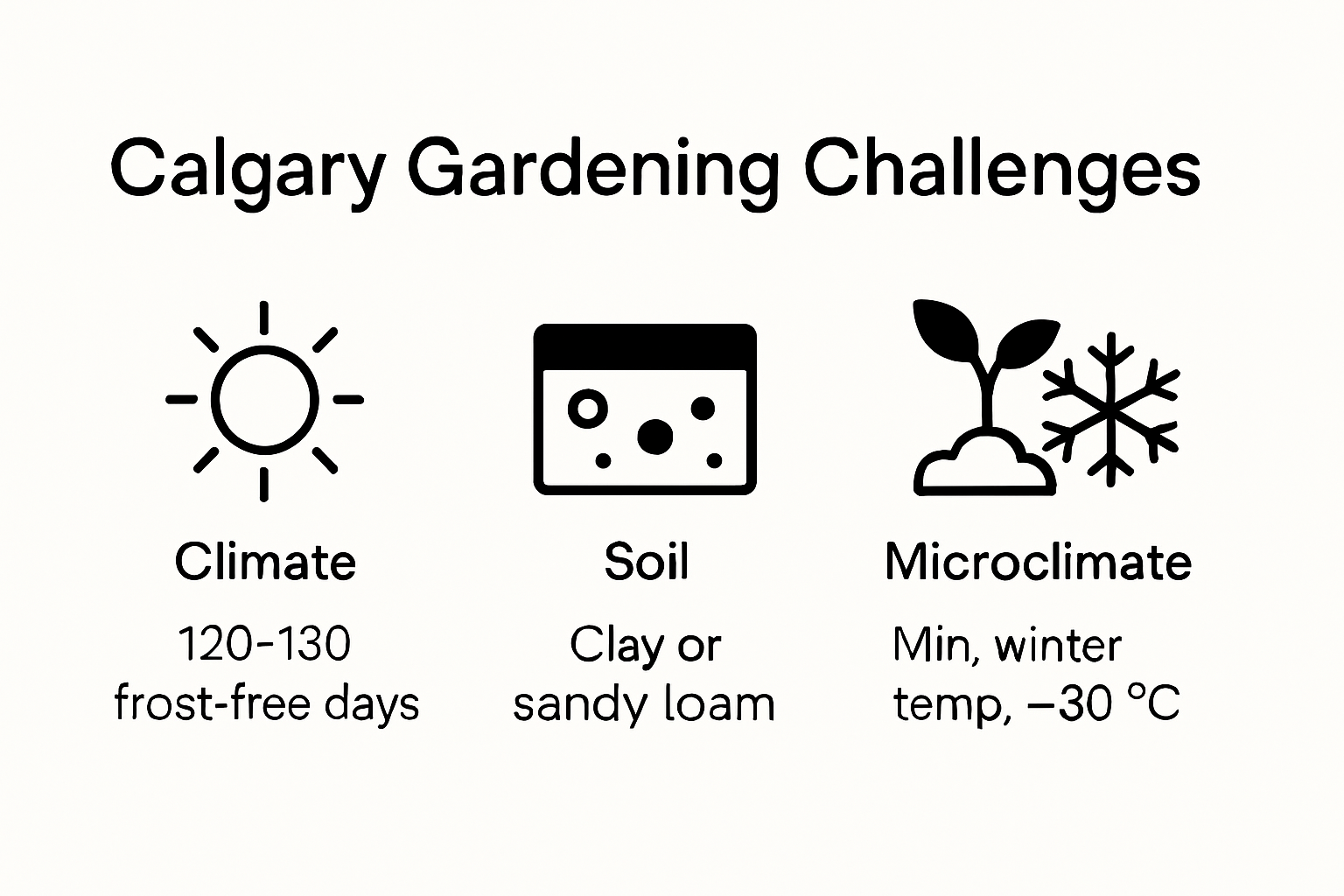
Garden bed maintenance in Calgary demands a strategic approach that accounts for the city’s distinctive and challenging climate. Located in southern Alberta, Calgary experiences extreme temperature variations that can test even the most resilient gardens. With short growing seasons and dramatic weather shifts, homeowners must develop specialized techniques to protect and nurture their outdoor spaces.
The Climate Challenge: Short Summers and Long Winters
Calgary’s climate presents unique gardening challenges that directly impact garden bed maintenance. The city experiences relatively short summers averaging just 92 frost-free days annually, compared to other Canadian regions. Environment Canada reports winter temperatures can plummet to -40°C, creating significant stress for plants and garden infrastructure.
Gardeners must select plant varieties that can withstand these extreme conditions and implement robust garden bed maintenance strategies. This involves careful soil preparation, strategic plant selection, and protective techniques that shield vegetation from harsh environmental conditions.
Soil and Microclimate Considerations
Calgary’s soil composition adds another layer of complexity to garden bed maintenance. The region predominantly features clay-heavy soils with poor drainage, which can significantly impact plant health. University of Alberta’s Agricultural Department suggests that successful gardening requires comprehensive soil amendment strategies.
Microclimate variations within Calgary further complicate garden maintenance. Urban heat islands, wind patterns, and specific landscape features can create localized growing conditions that differ dramatically from general regional climate data. Experienced gardeners recognize these nuanced environmental factors and adapt their maintenance techniques accordingly.
Successful garden bed maintenance in Calgary requires a holistic understanding of the local climate, soil characteristics, and microclimatic variations. By developing targeted strategies that address these unique challenges, homeowners can create thriving garden spaces that withstand the city’s demanding environmental conditions.
Essential Seasonal Garden Bed Maintenance Tasks
Garden bed maintenance requires a strategic approach that adapts to Calgary’s unique seasonal transitions. Homeowners must develop a comprehensive maintenance plan that addresses the specific challenges presented by spring, summer, fall, and winter conditions. Proactive care ensures garden beds remain healthy, resilient, and aesthetically pleasing throughout the year.
Spring Garden Bed Preparation
Spring marks a critical period for garden bed maintenance in Calgary. Alberta Agriculture and Forestry recommends a systematic approach to spring garden restoration. The process begins with carefully removing winter protective materials and assessing potential damage from frost heaving and snow accumulation.
Key spring maintenance tasks include soil assessment, removing debris, and preparing beds for new plantings. Gardeners should conduct a thorough soil test to determine nutrient levels and pH balance. Soil amendment becomes crucial during this phase, typically involving the addition of organic compost to restore soil structure and fertility. Careful pruning of perennial plants and preparing seedbeds for new plantings are essential steps in rejuvenating garden spaces after the long winter months.
To clarify the seasonal garden bed maintenance process, the table below summarizes the key tasks for each season in Calgary:
| Season | Key Maintenance Tasks |
|---|---|
| Spring | Remove winter protection, assess frost damage, test/amend soil, prune perennials, prep seedbeds |
| Summer | Mulch for moisture, deep/infrequent watering, regular weeding, monitor pests, deadhead flowers |
| Fall | Remove annuals, cut back perennials, apply mulch, reduce watering, remove diseased plants |
| Winter | Protect sensitive plants, monitor snow cover, minimize disturbance to beds |
Summer Maintenance and Care
Summer garden bed maintenance focuses on sustaining plant health during Calgary’s intense growing season. University of Calgary Botanic Gardens emphasizes the importance of consistent moisture management and strategic plant protection. Mulching becomes a critical technique for moisture retention and temperature regulation.
Effective summer maintenance involves regular weeding, monitoring for pest infestations, and implementing targeted irrigation strategies. Homeowners should prioritize deep, infrequent watering that encourages robust root development. This approach helps plants develop resilience against Calgary’s occasional drought conditions and temperature fluctuations. Deadheading flowering plants and managing plant growth ensures continued blooming and prevents potential disease spread.
Fall Winterization Strategies
Preparing garden beds for Calgary’s harsh winter requires meticulous planning and execution. Fall maintenance is crucial for protecting perennial plants and ensuring garden resilience. The process involves gradually reducing plant watering, protecting sensitive plants, and adding protective layers to garden beds.
Key fall tasks include removing spent annual plants, cutting back perennials, and applying a protective layer of mulch or organic material. This helps insulate plant roots and prevent frost damage during extreme winter conditions. Gardeners should also conduct a final soil assessment, removing any diseased plant material and preparing beds for potential spring replanting.
Successful garden bed maintenance in Calgary demands a nuanced understanding of seasonal transitions. By implementing targeted strategies that address the unique challenges of each season, homeowners can create thriving, resilient garden spaces that withstand the region’s demanding climate conditions.
Low-Maintenance Plant Choices and Soil Care
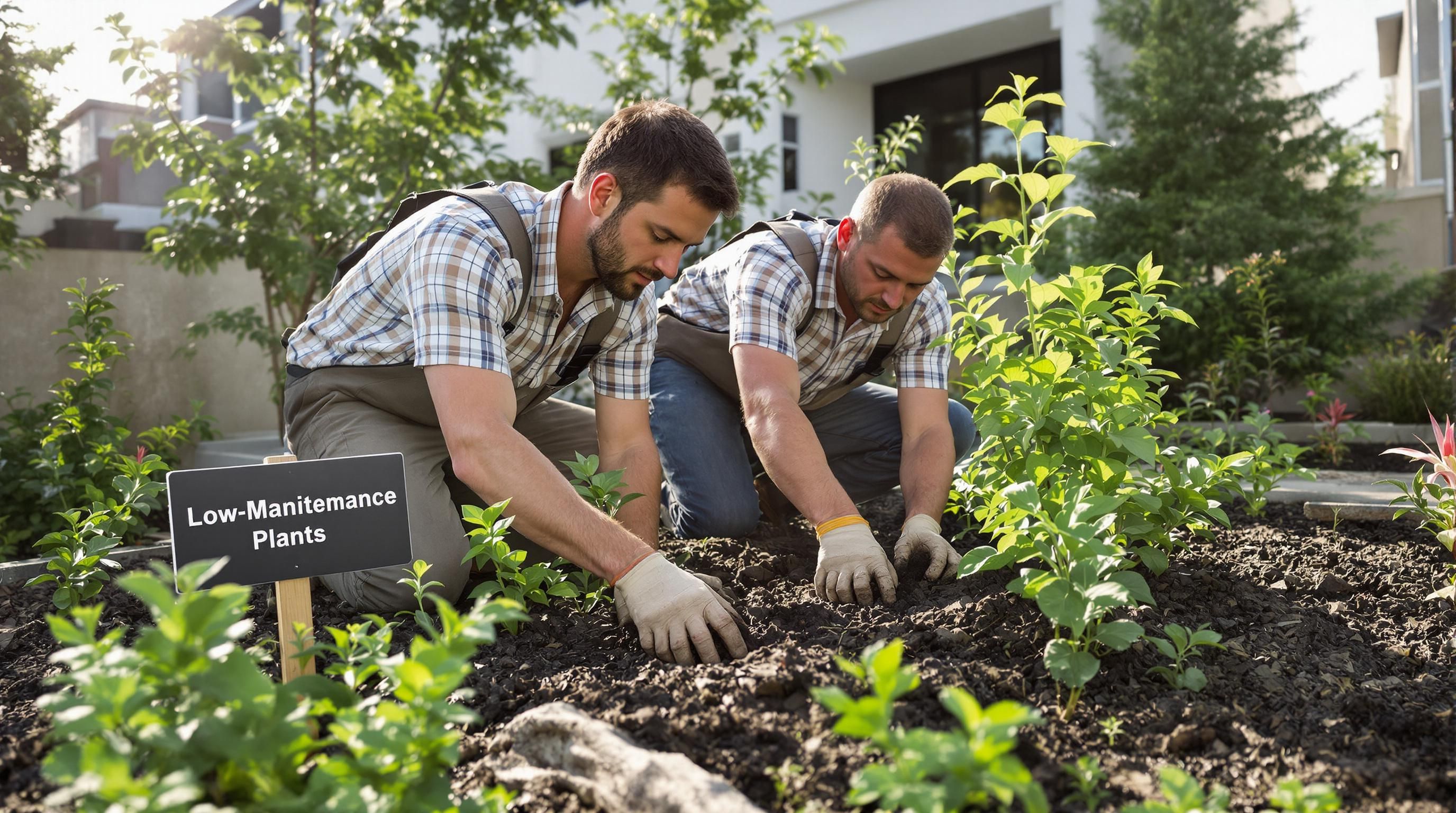
Creating a thriving garden in Calgary requires strategic plant selection and sophisticated soil management techniques. Homeowners can significantly reduce garden maintenance demands by choosing native and adaptive plant species while implementing targeted soil care strategies that support long-term landscape health.
Native Plant Selection for Resilient Gardens
Native plants represent the cornerstone of low-maintenance garden bed design in Calgary’s challenging climate. Calgary Zoo’s Native Plant Program recommends selecting species naturally adapted to Alberta’s environmental conditions. These plants demonstrate exceptional resilience against temperature extremes, drought, and local pest challenges.
Recommended native plant varieties include:
- Prairie Coneflower: Drought-tolerant and supports local pollinators
- Alberta Wild Rose: Extremely hardy and winter-resistant
- Blue Grama Grass: Excellent ground cover with minimal maintenance requirements
These native species require substantially less water, fertilization, and intervention compared to non-native ornamental plants. By prioritizing indigenous vegetation, gardeners can create sustainable landscapes that thrive with minimal human intervention.
The following table highlights key features of recommended native Calgary plants, helping homeowners choose the best options for resilience and low maintenance:
| Plant Name | Key Features | Maintenance Needs |
|---|---|---|
| Prairie Coneflower | Drought-tolerant, pollinator friendly | Very Low |
| Alberta Wild Rose | Extremely hardy, winter resistant | Low |
| Blue Grama Grass | Excellent ground cover, minimal input | Very Low |
Strategic Soil Amendment Techniques
North Dakota State University Extension highlights critical soil improvement strategies specifically applicable to northern climate gardens. Effective soil care involves understanding local soil composition and implementing targeted amendment approaches.
Key soil management techniques include incorporating organic matter, improving drainage, and balancing nutrient profiles. Organic compost serves as a fundamental tool for enhancing soil structure, promoting beneficial microbial activity, and supporting robust plant growth. Gardeners should focus on adding high-quality, locally sourced compost that matches Calgary’s specific soil characteristics.
Sustainable Garden Bed Design Principles
Designing low-maintenance garden beds requires a holistic approach that integrates plant selection, soil health, and strategic landscape planning. Successful gardens in Calgary prioritize water conservation, minimize chemical interventions, and create self-sustaining ecosystems.
Implementing xeriscaping principles can dramatically reduce maintenance requirements. This approach involves grouping plants with similar water needs, utilizing mulch to retain moisture, and creating efficient irrigation systems. Strategic plant placement considering sun exposure, wind patterns, and soil conditions further enhances garden resilience.
By combining native plant selections, targeted soil amendments, and sustainable design principles, Calgary homeowners can create beautiful, low-maintenance garden beds that withstand the region’s challenging environmental conditions. The key lies in working with nature rather than against it, selecting plants and techniques that naturally align with local ecological systems.
Professional Services for Commercial and Luxury Properties
Garden bed maintenance for commercial and luxury properties demands a sophisticated approach that goes beyond standard residential care. High-end properties require specialized expertise to create and maintain outdoor spaces that reflect exceptional quality, aesthetic appeal, and long-term landscape sustainability.
Comprehensive Landscape Assessment and Design
Canadian Landscape Architecture Association emphasizes the critical importance of professional landscape assessments for complex properties. Commercial and luxury property owners benefit from comprehensive evaluations that analyze soil conditions, microclimatic factors, architectural integration, and long-term maintenance requirements.
Professional services typically include detailed site analysis, which involves:
- Soil Composition Testing: Precision analysis of soil structure and nutrient profiles
- Landscape Architecture Mapping: Strategic design that considers architectural aesthetics
- Environmental Impact Assessment: Evaluating sustainable landscape integration
These comprehensive assessments enable property managers to develop targeted garden bed maintenance strategies that align with specific property requirements, ensuring optimal landscape performance and visual excellence.
Advanced Maintenance and Seasonal Management
Alberta Landscaping Association highlights the complexity of maintaining high-end garden beds in Calgary’s challenging climate. Professional services go beyond routine maintenance, offering sophisticated management approaches that protect significant landscape investments.
Advanced maintenance services include:
- Precision Irrigation Systems: Custom-designed water management solutions
- Seasonal Transition Management: Expert handling of plant protection and restoration
- Specialized Plant Health Monitoring: Regular diagnostic assessments and preventative interventions
Luxury properties require nuanced care that anticipates potential challenges and proactively addresses environmental stressors. Professional teams utilize advanced technologies and specialized knowledge to maintain garden beds at the highest possible standard.
Sustainable and Customized Landscape Solutions
Commercial and luxury properties demand landscape solutions that transcend standard maintenance practices. Professional services focus on creating sustainable, aesthetically pleasing outdoor environments that enhance property value and visual appeal.
Customized landscape solutions involve:
- Native Plant Integration: Strategic selection of plants adapted to local conditions
- Ecological Design Principles: Implementing environmentally responsible landscaping techniques
- Aesthetic and Functional Balance: Creating outdoor spaces that serve both visual and practical purposes
Professional garden bed maintenance for commercial and luxury properties represents a sophisticated blend of scientific expertise, artistic design, and environmental stewardship. By leveraging specialized knowledge and advanced techniques, property owners can transform outdoor spaces into exceptional, resilient landscapes that reflect the highest standards of quality and care.
Frequently Asked Questions
What are some essential garden bed maintenance tasks for Calgary’s climate?
To maintain garden beds in Calgary, essential tasks include assessing and amending soil in spring, mulching for moisture during summer, preparing plants for winter in the fall, and protecting sensitive plants in winter.
How can I create a low-maintenance garden in Calgary?
Choose native plants that are naturally adapted to Calgary’s climate, such as Prairie Coneflower and Alberta Wild Rose. Implementing sustainable design principles and proper soil care can also significantly reduce maintenance demands.
What soil care practices are recommended for Calgary gardens?
Incorporating organic compost, improving drainage, and conducting soil tests to balance nutrient profiles are key practices for maintaining healthy garden soil in Calgary’s clay-heavy conditions.
Why is seasonal maintenance important for Calgary gardens?
Seasonal maintenance is crucial due to Calgary’s extreme climate and short growing season. Tailoring maintenance tasks to each season ensures that plants remain healthy and resilient throughout the year.
Ready for Stress-Free Garden Beds in Calgary?
Maintaining lush and resilient garden beds in Calgary can feel overwhelming with short summers, unexpected cold snaps, and tricky clay-heavy soils. If you are tired of spending weekends on soil tests, battling weeds, or struggling to keep your landscape healthy through harsh winters, you are not alone. The article highlighted the need for smart plant choices, reliable seasonal strategies, and professional assessment to overcome Calgary’s unique challenges.

Why not take the guesswork out of your property care? Ace Landscapes specializes in everything Calgary gardens need, from custom soil amendments and native plant integration to precise seasonal cleanups and irrigation systems. Our team of experts uses proven local solutions to deliver low-maintenance, beautiful results for both homes and commercial spaces. Ready for a tailored, worry-free approach that lets you enjoy your outdoor space all year long? Visit Ace Landscapes now and book your consultation while openings last.