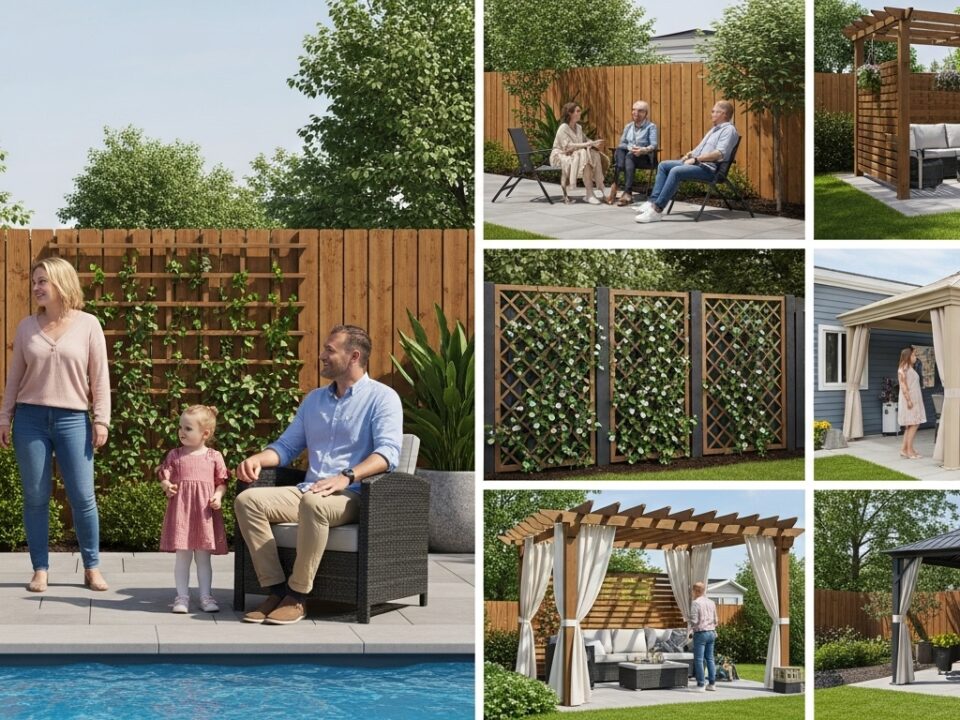

7 Modern Patio Design Ideas for Homeowners
September 10, 2025
Understanding Designing Outdoor Living Spaces for Homes
September 12, 2025
Landscaping a yard might seem like simple yard work but it goes much deeper than just planting flowers or laying down fresh grass. Surprise. Professional landscaping can actually increase your property value by up to 15 percent and that is only the beginning. Most people overlook that a well-planned yard not only looks great but can also cut energy costs, solve drainage issues, and turn your outdoors into a whole new living space you never knew you needed.
Table of Contents
- What Does It Mean To Landscape A Yard?
- Key Factors Affecting Landscaping Costs
- The Importance Of Yard Landscaping For Property Value
- Understanding Different Landscaping Options And Their Costs
- How Seasonal Changes Impact Landscaping Expenditures
Quick Summary
| Takeaway | Explanation |
|---|---|
| Landscaping enhances property value significantly | Well-designed landscapes can increase property values by up to 15%, making them a worthwhile investment. |
| Consider costs from multiple factors | Project size, materials, and labor impact landscaping costs, requiring comprehensive budgeting. |
| Seasonal changes affect maintenance expenses | Each season brings specific maintenance needs that can significantly influence landscaping budgets. |
| Choose native plants for cost efficiency | Native plants require less maintenance and are often cheaper, offering long-term financial benefits. |
| Strategic landscape design supports sustainability | Thoughtful landscaping can improve environmental health and reduce utility costs through energy-efficient plant placement. |
What Does It Mean to Landscape a Yard?
Landscaping a yard involves intentionally designing, modifying, and transforming an outdoor space to enhance its aesthetic appeal, functionality, and overall property value. More than simply planting a few flowers or mowing the lawn, landscaping represents a comprehensive approach to creating an engaging and purposeful outdoor environment.
Understanding Landscape Design Principles
Professional landscaping integrates multiple elements to create a cohesive and visually appealing outdoor space. This process considers factors like terrain, climate, architectural style, and personal preferences. Landscape design goes beyond random plant placement, focusing on strategic composition that harmonizes natural and constructed elements.
Key components of landscape design typically include:
- Hardscaping elements like pathways, patios, and retaining walls
- Plant selection appropriate to local climate and soil conditions
- Drainage and irrigation system planning
- Creating functional outdoor living spaces
- Considering visual balance and aesthetic harmony
Functional and Aesthetic Considerations
Effective landscaping serves multiple purposes beyond visual beauty. It can improve property drainage, reduce energy costs through strategic tree placement, create outdoor living areas, and even support local ecosystem health. According to National Association of Landscape Professionals, well-designed landscapes can increase property values by up to 15% and provide significant environmental benefits.
Homeowners and property managers choose landscaping to achieve specific goals such as:
- Enhancing curb appeal
- Creating functional outdoor entertainment spaces
- Improving environmental sustainability
- Managing water runoff and soil erosion
- Reducing maintenance requirements
Whether you’re planning a small garden makeover or a complete yard transformation, understanding landscaping as a holistic design approach helps create outdoor spaces that are both beautiful and practical.
Key Factors Affecting Landscaping Costs
Landscaping costs can vary dramatically based on numerous interconnected factors. Understanding these variables helps homeowners and property managers develop realistic budgets and make informed decisions about their outdoor space investments.
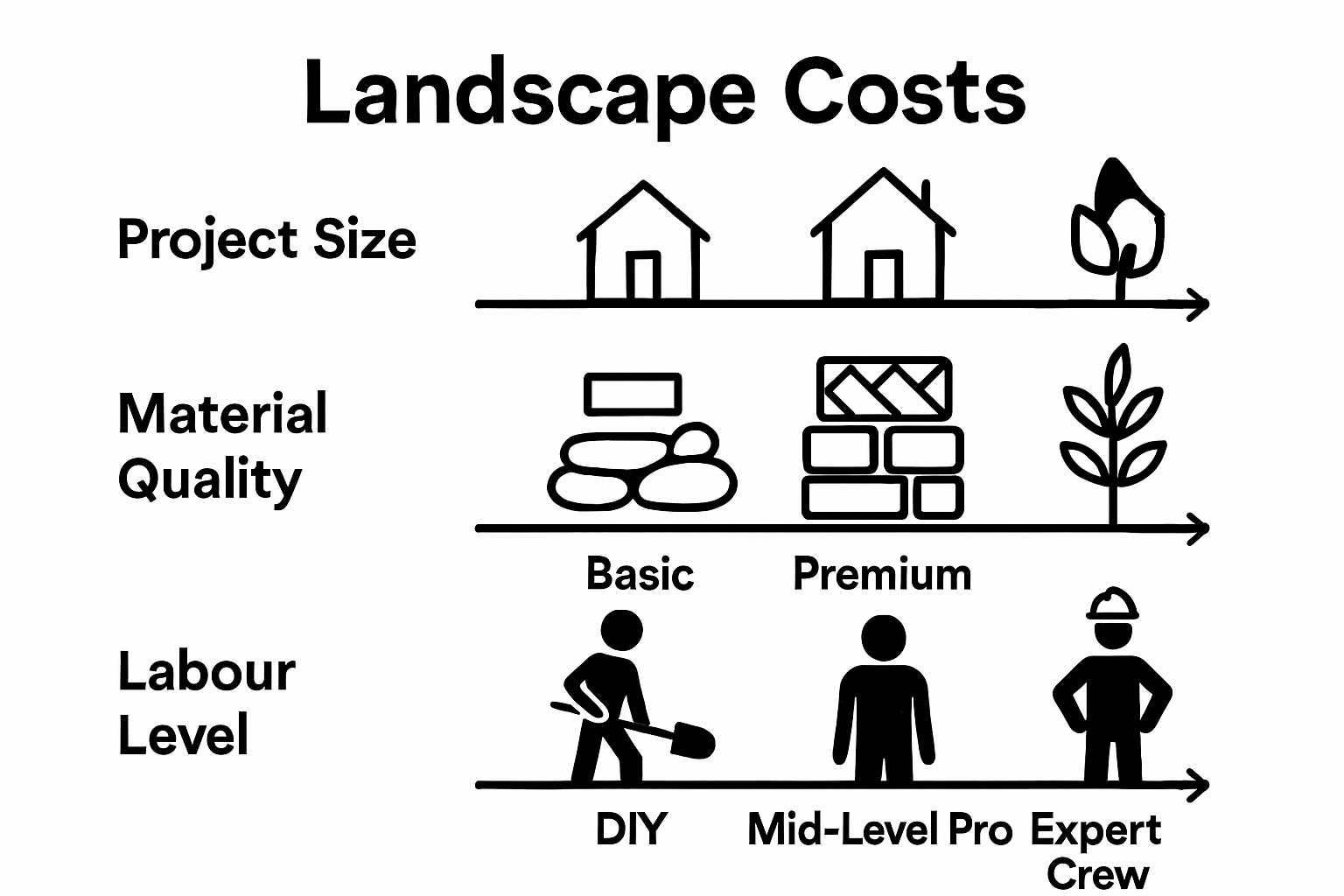
Project Scope and Complexity
The size and complexity of a landscaping project significantly impact its overall cost. Smaller residential yards with basic designs will naturally require less investment compared to extensive commercial properties or intricate landscape transformations. Project complexity includes considerations such as terrain challenges, existing landscape conditions, and the level of customization required.
Key project scope elements influencing cost include:
- Total square footage being landscaped
- Degree of site preparation needed
- Complexity of design elements
- Number of specialized features like water features or outdoor structures
- Accessibility of the property
Material and Plant Selection
The choice of materials and plants represents another critical cost determinant. Native plants generally cost less and require minimal maintenance, while exotic or rare species can substantially increase expenses. According to University of Florida’s Institute of Food and Agricultural Sciences, material selection impacts both initial installation and long-term maintenance costs.
Material cost factors include:
- Quality and origin of landscaping materials
- Hardscaping elements like stone, pavers, or decorative rocks
- Plant species selection
- Soil amendments and preparation
- Irrigation system requirements
Labor and Professional Services
Professional landscaping services contribute significantly to overall project costs. Experienced landscape designers and skilled installation teams bring expertise that ensures quality results but also command higher rates. Costs vary based on the professionals’ qualifications, project complexity, and local market rates.
Additional labor considerations encompass:
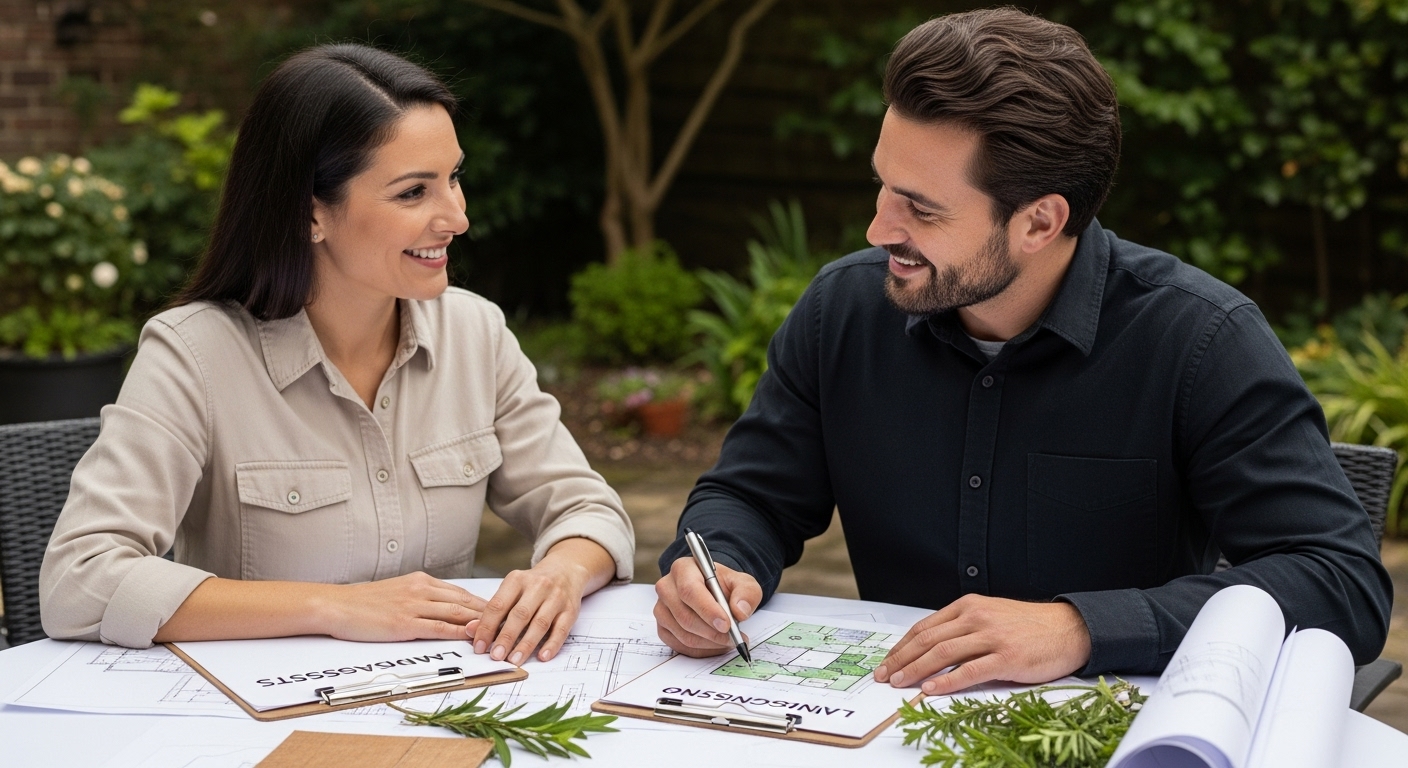
- Design consultation fees
- Installation complexity
- Duration of the project
- Required specialized skills
- Local labor market rates
By understanding these interconnected factors, property owners can more accurately budget and plan their landscaping investments, balancing aesthetic desires with financial practicality.
The following table compares key factors that affect landscaping costs, summarizing their impact and specific considerations for property owners.
| Factor | Description | Cost Impact Considerations |
|---|---|---|
| Project Scope & Complexity | Size and difficulty of the landscaping project | More square footage and complex designs increase cost |
| Material & Plant Selection | Choices of plants, hardscaping, and related materials | Exotic plants and premium materials cost more |
| Labour & Professional Services | Design fees, installation, and market rates | Higher expertise and longer projects increase labour cost |
The Importance of Yard Landscaping for Property Value
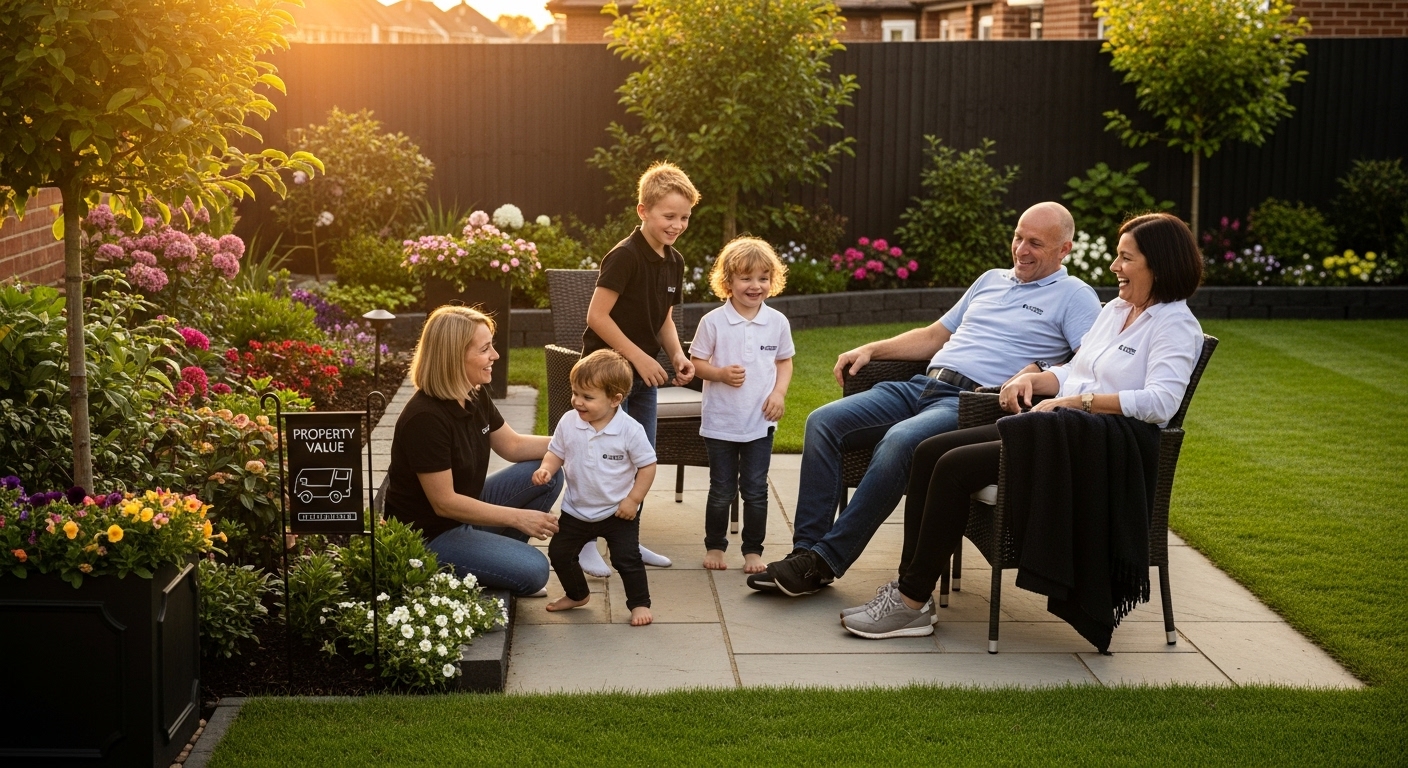
Yard landscaping represents a strategic investment that extends far beyond aesthetic appeal, directly influencing a property’s market value and overall financial potential. Thoughtful landscape design can transform an ordinary outdoor space into a valuable asset that attracts potential buyers and increases overall property worth.
Direct Financial Impact
Landscaping is not merely a cosmetic enhancement but a quantifiable financial strategy. Professional landscaping can significantly boost property value, creating an immediate and long-term return on investment. Real estate markets consistently demonstrate that well-designed outdoor spaces contribute substantially to a property’s marketability and perceived value.
Key financial benefits of strategic landscaping include:
- Increasing property market value
- Improving curb appeal
- Reducing time on market during sales
- Creating additional functional living spaces
- Differentiating the property from neighboring homes
Valuation and Buyer Perception
Potential buyers often make initial judgments based on a property’s exterior appearance. According to U.S. Forest Service research, landscaping can increase residential property values by up to 10%. Mature trees, well-maintained gardens, and strategic landscape design communicate property care and investment, positively influencing buyer perceptions.
Perception factors that impact property valuation include:
- Visual symmetry and design cohesiveness
- Evidence of professional maintenance
- Integration of natural and constructed elements
- Sustainable and low-maintenance landscape features
- Alignment with neighborhood aesthetic standards
Long-Term Property Investment
Beyond immediate market value, landscaping represents a long-term investment in property infrastructure. Properly designed landscapes contribute to environmental sustainability, energy efficiency, and ongoing property maintenance. Strategic plantings can provide natural cooling, reduce erosion, and create microclimates that enhance overall property functionality.
Long-term landscaping investment considerations include:
- Selecting native, low-maintenance plant species
- Implementing water-efficient irrigation systems
- Creating multi-functional outdoor spaces
- Protecting property from environmental challenges
- Developing a landscape that grows and improves with time
By understanding landscaping as a strategic investment, property owners can make informed decisions that enhance both aesthetic appeal and financial value.
Understanding Different Landscaping Options and Their Costs
Landscaping offers diverse approaches to transforming outdoor spaces, each with unique aesthetic, functional, and financial considerations. Understanding the range of available options helps property owners make informed decisions that align with their budget, design preferences, and long-term property goals.
Residential Landscaping Approaches
Residential landscaping encompasses multiple design strategies tailored to different budgets and property characteristics. From minimalist designs to elaborate garden transformations, homeowners can select approaches that balance visual appeal with financial investment. The complexity of the design and materials used significantly influence overall project costs.
Key residential landscaping options include:
- Xeriscaping for water-efficient landscapes
- Traditional garden designs
- Modern minimalist landscapes
- Native plant landscaping
- Functional outdoor living spaces
Cost Ranges and Considerations
Landscaping project costs vary dramatically based on scope, materials, and complexity. According to Forbes Home, landscaping investments typically range between $2,000 and $25,000, with an average project cost around $9,000. Factors influencing pricing include design intricacy, material quality, labor requirements, and specific property characteristics.
Cost-determining elements for landscaping projects encompass:
- Total project square footage
- Complexity of design
- Quality of materials selected
- Labor and professional design fees
- Site preparation requirements
- Ongoing maintenance needs
Sustainable and Adaptive Landscaping
Modern landscaping approaches prioritize sustainability and adaptability. Homeowners increasingly seek options that reduce long-term maintenance costs, conserve water, and support local ecosystems. Water-efficient strategies like xeriscaping can significantly reduce ongoing landscape management expenses while creating visually appealing outdoor environments.
Sustainable landscaping considerations include:
- Native plant selection
- Water-efficient irrigation systems
- Drought-resistant landscaping techniques
- Environmentally friendly material choices
- Designs supporting local biodiversity
By carefully evaluating landscaping options, property owners can create outdoor spaces that balance aesthetic preferences, functional requirements, and financial constraints.
This table outlines typical landscaping project cost ranges along with major considerations influencing final pricing, helping readers quickly compare options and anticipate budgeting needs.
| Project Type or Feature | Cost Range | Main Cost Considerations |
|---|---|---|
| Basic residential landscaping | $2,000 – $25,000 | Square footage, site prep, simple plantings |
| Average full yard transformation | Around $9,000 | Design complexity, quality of materials, professional fees |
| High-end/custom projects | $20,000 + | Specialized features, luxury materials, large scope |
| Sustainable/xeriscaping approaches | Varies, often lower | Native/drought-tolerant plants, efficient irrigation systems |
| Ongoing maintenance | Variable (seasonal) | Plant replacement, irrigation, seasonal care |
How Seasonal Changes Impact Landscaping Expenditures
Seasonal variations profoundly influence landscaping costs, creating a dynamic financial landscape that requires strategic planning and adaptive management. Understanding how different seasons affect outdoor maintenance and renovation expenses helps property owners optimize their landscaping investments throughout the year.
Seasonal Maintenance Cost Variations
Landscaping expenses fluctuate dramatically across seasonal transitions, with each period presenting unique maintenance challenges and financial requirements. Spring and fall typically represent peak investment periods, demanding comprehensive property preparation and restoration services. Winter and summer present more specialized maintenance needs that can significantly impact overall landscaping budgets.
Key seasonal maintenance cost factors include:
- Spring renewal and landscape rehabilitation
- Summer irrigation and plant health management
- Fall preparation and winter protection strategies
- Seasonal plant replacement requirements
- Adaptive maintenance scheduling
Climate-Specific Landscaping Investments
Regional climate characteristics dramatically influence landscaping expenditures. Areas with extreme temperature variations or challenging environmental conditions require more comprehensive and potentially expensive landscape management strategies. Proactive seasonal planning can help mitigate unexpected maintenance costs and preserve landscape quality throughout changing environmental conditions.
Climate-related landscaping investment considerations include:
- Winterization of landscape infrastructure
- Drought-resistant plant selections
- Soil amendment and protection techniques
- Irrigation system adaptations
- Protective measures against environmental stress
Strategic Financial Planning
Successful landscape management demands a comprehensive understanding of seasonal financial dynamics. Homeowners and property managers can develop more effective budgeting strategies by anticipating seasonal maintenance requirements and potential unexpected expenses. Strategic planning allows for more predictable and controlled landscaping investments.
Strategic financial planning elements include:
- Creating a year-round maintenance budget
- Establishing emergency landscape repair funds
- Implementing preventative maintenance protocols
- Scheduling cost-effective improvement projects
- Tracking seasonal maintenance expenses
By recognizing the intricate relationship between seasonal changes and landscaping expenditures, property owners can develop more sophisticated and financially responsible outdoor management approaches.
Make Your Landscaping Investment Count with Ace Landscapes
Worried about unpredictable landscaping costs and how they impact your property’s value? If you are tired of hidden fees, project delays, or not knowing where to turn for reliable advice, you are not alone. The article highlighted the challenges of budgeting for landscaping, seasonal maintenance expenses, and the importance of high-quality design. It can feel overwhelming to get attractive, functional, and cost-effective outdoor solutions, especially in Calgary’s changing seasons.
Let Ace Landscapes help you unlock the true potential of your yard. Our experts deliver everything from efficient landscape design services to detailed maintenance, sod installation, hardscaping, and seasonal care. We tailor each project to your budget and your vision. Get the peace of mind you deserve and see your investment pay off. Visit Ace Landscapes today to schedule a consultation and secure your project before peak season pricing. Transform your outdoor space with proven expertise and transparent cost planning—start now.
Frequently Asked Questions
What factors influence the cost of landscaping a yard?
Landscaping costs are influenced by project scope and complexity, material and plant selection, and labor and professional services. Factors such as total square footage, design intricacy, and the quality of materials chosen all play a vital role.
How much can I expect to spend on landscaping my yard?
Landscaping costs typically range between $2,000 and $25,000, with an average project cost around $9,000. Factors that affect pricing include design complexity, material quality, and required labor.
What are the benefits of landscaping for property value?
Well-designed landscaping can increase property market value, improve curb appeal, and reduce time on the market when selling. It’s a strategic investment that enhances both aesthetic appeal and financial worth.
How do seasonal changes affect landscaping costs?
Seasonal changes can significantly impact landscaping expenditures. Spring and fall usually see higher costs due to maintenance and preparation needs, while summer and winter may require specialized management strategies, affecting budgeting and overall investment.