
Preparing Gardens for Winter: A Complete Guide for Calgary Homeowners
August 26, 2025
Understanding the Watering Schedule for Lawns
August 28, 2025
Pruning trees and shrubs is more than just making random cuts. Most people grab any old pair of clippers and start hacking away, thinking the job is simple. But research shows that using professional-grade pruners designed for specific branch sizes can make your cuts safer, cleaner, and help trees heal faster. By taking a smarter approach from the very first cut, you set your plants up for better health and a stunning look all season long.
Table of Contents
- Step 1: Gather Your Tools And Materials
- Step 2: Evaluate The Health Of Your Trees And Shrubs
- Step 3: Determine The Best Pruning Time And Technique
- Step 4: Execute Pruning With Proper Techniques
- Step 5: Clean Up And Properly Dispose Of Clippings
- Step 6: Monitor Growth And Make Adjustments As Needed
Quick Summary
| Key Point | Explanation |
|---|---|
| 1. Invest in quality pruning tools | Use professional-grade tools suited for the size of branches to ensure efficient, safe, and precise cuts. |
| 2. Conduct a thorough health assessment | Inspect plants for signs of disease and stress before pruning to determine the best cutting strategy. |
| 3. Prune at the right time | Late winter to early spring is ideal; different plants have specific timing needs based on their bloom cycles. |
| 4. Use correct pruning techniques | Employ the three-cut method for larger branches to minimize damage and promote healing in trees and shrubs. |
| 5. Monitor growth post-pruning | Regularly check for new growth or potential issues, making adjustments as necessary to maintain plant health. |
Step 1: Gather Your Tools and Materials
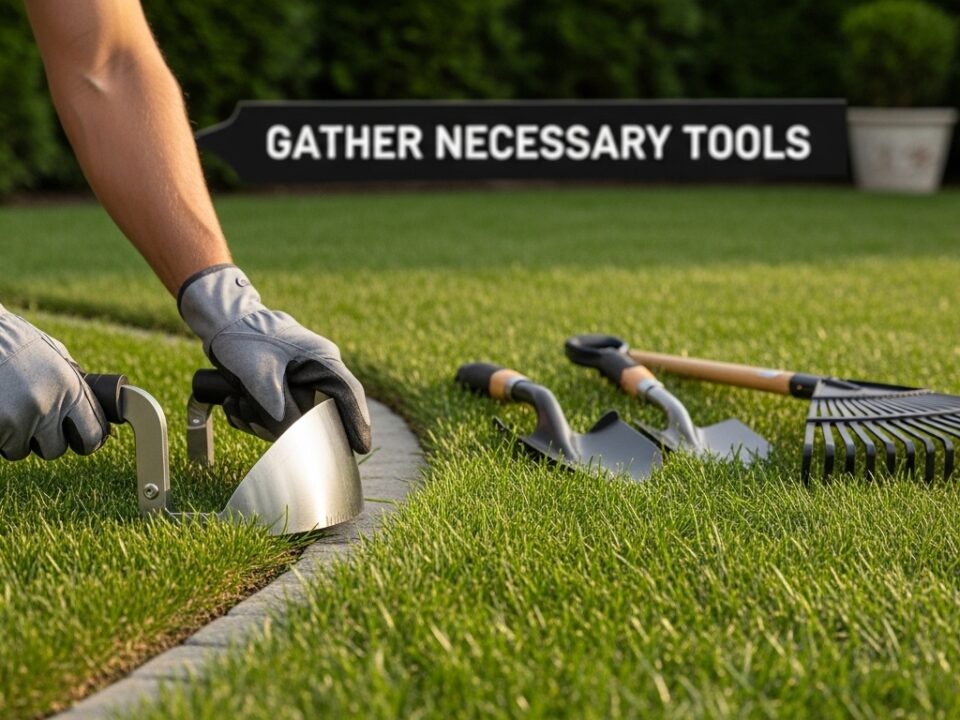
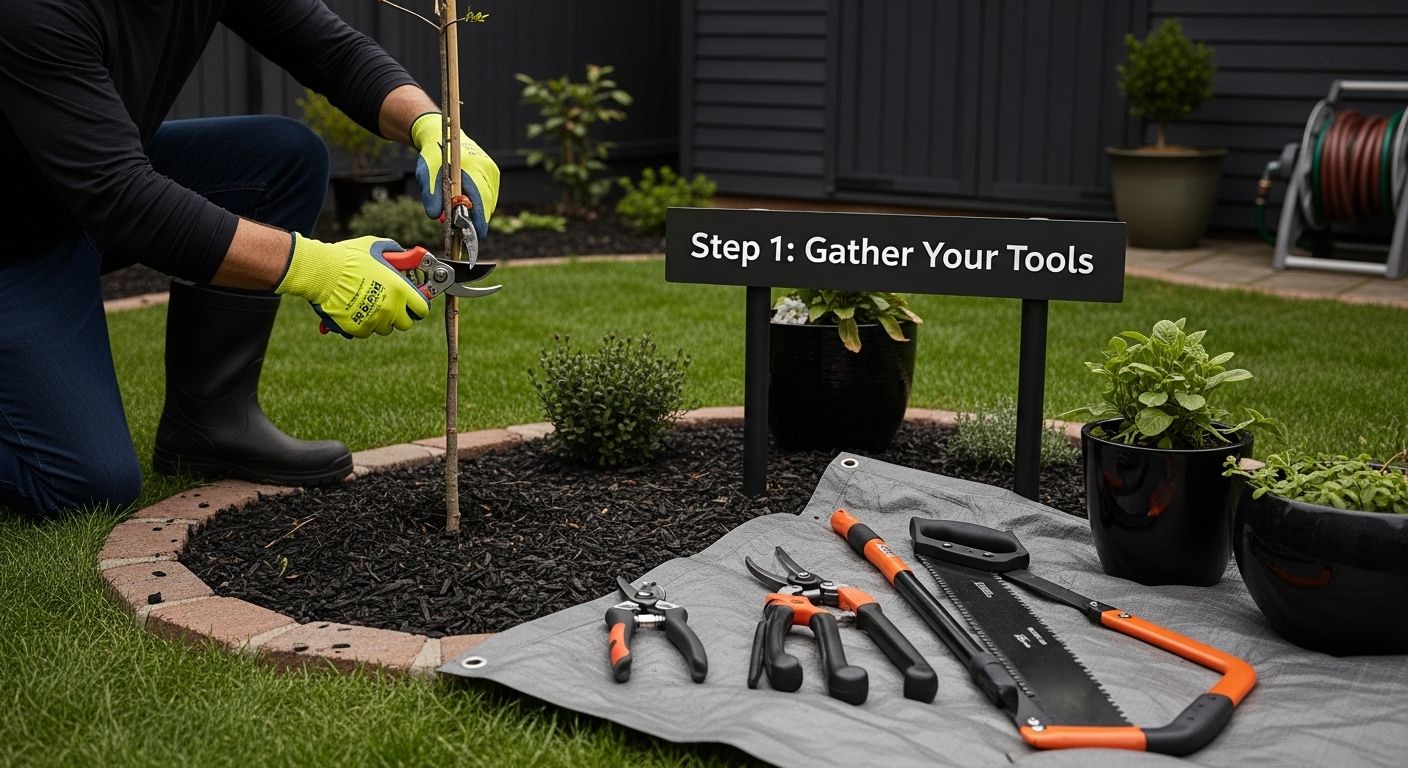
Successful pruning trees and shrubs begins with selecting the right tools and preparing your workspace. Before you start trimming, having a comprehensive set of high-quality equipment will make your landscaping work efficient, safe, and precise.
Preparing for pruning requires a strategic approach to tool selection. You will want to invest in professional-grade pruning tools that match the specific size and type of branches you plan to trim. Essential tools include bypass hand pruners for smaller branches under 3/4 inch, loppers for branches between 3/4 and 1-1/2 inches, and pruning saws for larger branches exceeding 1-3/4 inches. A pole saw can help you reach higher branches safely without using a ladder.
Safety should always be your primary consideration. Personal protective equipment is crucial when pruning trees and shrubs. Your protective gear should include:
- Safety glasses with side shields
- Thick, sturdy work gloves
- Steel-toed boots
- Long-sleeved shirt and long pants
- Hard hat for overhead work
Before beginning your pruning project, clean and inspect your tools thoroughly. Research from the University of Wisconsin Extension recommends disinfecting pruning tools with 70% alcohol or a 10% bleach solution to prevent disease transmission between plants. Ensure your cutting edges are sharp and well-maintained, as clean cuts promote faster healing for trees and shrubs.
Additionally, gather supplementary materials like garden twine, plant labels, and a notebook to track your pruning progress. Having a systematic approach will help you maintain consistency and monitor the health of your landscape over time. By investing time in proper preparation, you set the stage for successful, professional-quality pruning that will enhance the beauty and vitality of your trees and shrubs.
The following table summarizes the essential pruning tools and protective equipment required for safe and effective tree and shrub maintenance, along with their intended purposes.
| Tool/Material | Recommended Use | Branch Size/Context |
|---|---|---|
| Bypass hand pruners | Clean cuts on small branches | Under 3/4 inch |
| Loppers | Cutting medium-sized branches | 3/4 inch to 1-1/2 inches |
| Pruning saw | Trimming large branches | Over 1-3/4 inches |
| Pole saw | Reaching high branches safely | Overhead branches, no ladder required |
| Safety glasses | Eye protection during pruning | All pruning activities |
| Sturdy gloves | Hand protection from cuts/debris | All pruning activities |
| Steel-toed boots | Foot protection against falling wood | All pruning activities |
| Long sleeves/pants | Personal protection from scratches | All pruning activities |
| Hard hat | Head protection for overhead pruning | When pruning above shoulder height |
Step 2: Evaluate the Health of Your Trees and Shrubs
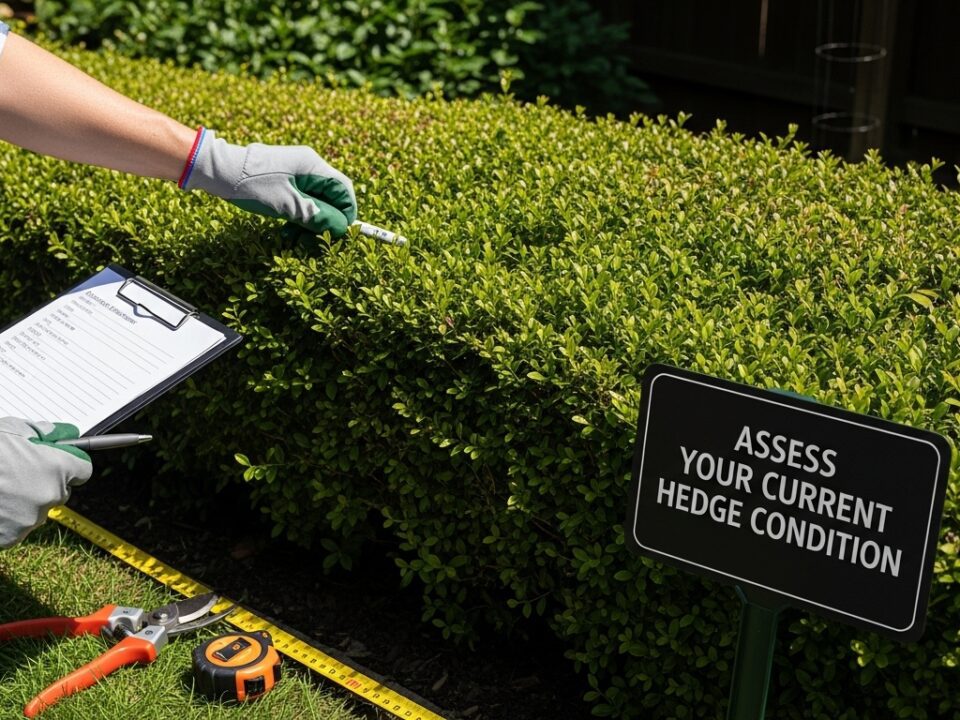
Before making any cuts, conducting a thorough health assessment of your trees and shrubs is crucial for successful pruning. This step helps you understand the overall condition of your plants and determines the most appropriate pruning strategy to promote their long-term vitality.
Begin your evaluation by performing a comprehensive visual inspection from the ground up. Start at the base of the plant, examining the root flare and surrounding soil for any signs of stress or disease. Look for mushroom-like fungal fruiting bodies, which can indicate advanced root decay or structural compromise. Check the trunk and main branches for unusual growths, cracks, or bark damage that might suggest underlying health issues.
Carefully observe the plant’s overall structure and crown condition. According to research from the University of Georgia Extension, key indicators of plant health include:
- Leaf color and density
- Presence of dead or dying branches
- Unusual branch patterns or asymmetrical growth
- Signs of pest infestation
- Discoloration or wilting of foliage
Pay special attention to branches that appear weak, crossed, or rubbing against each other. These can be potential entry points for disease and may require strategic pruning. Color and texture are critical diagnostic tools. Healthy branches typically have smooth bark and vibrant color, while diseased or dying branches might appear discolored, brittle, or show signs of peeling bark.
For trees with significant size or potential structural complexity, consider consulting a professional arborist who can provide a more detailed assessment. They can identify subtle signs of disease or stress that might not be immediately apparent to an untrained eye. By thoroughly evaluating your trees and shrubs before pruning, you’ll ensure that your landscaping efforts promote plant health, prevent potential damage, and maintain the aesthetic and structural integrity of your outdoor spaces.
Step 3: Determine the Best Pruning Time and Technique
Selecting the optimal pruning time and technique is critical for maintaining the health and appearance of your trees and shrubs. Timing can significantly impact plant growth, flowering, and overall vitality, making it essential to understand the nuanced approach required for different species.
Late winter to early spring represents the ideal pruning window for most trees and shrubs. During this dormant period, plants are less stressed and can heal more effectively from pruning cuts.
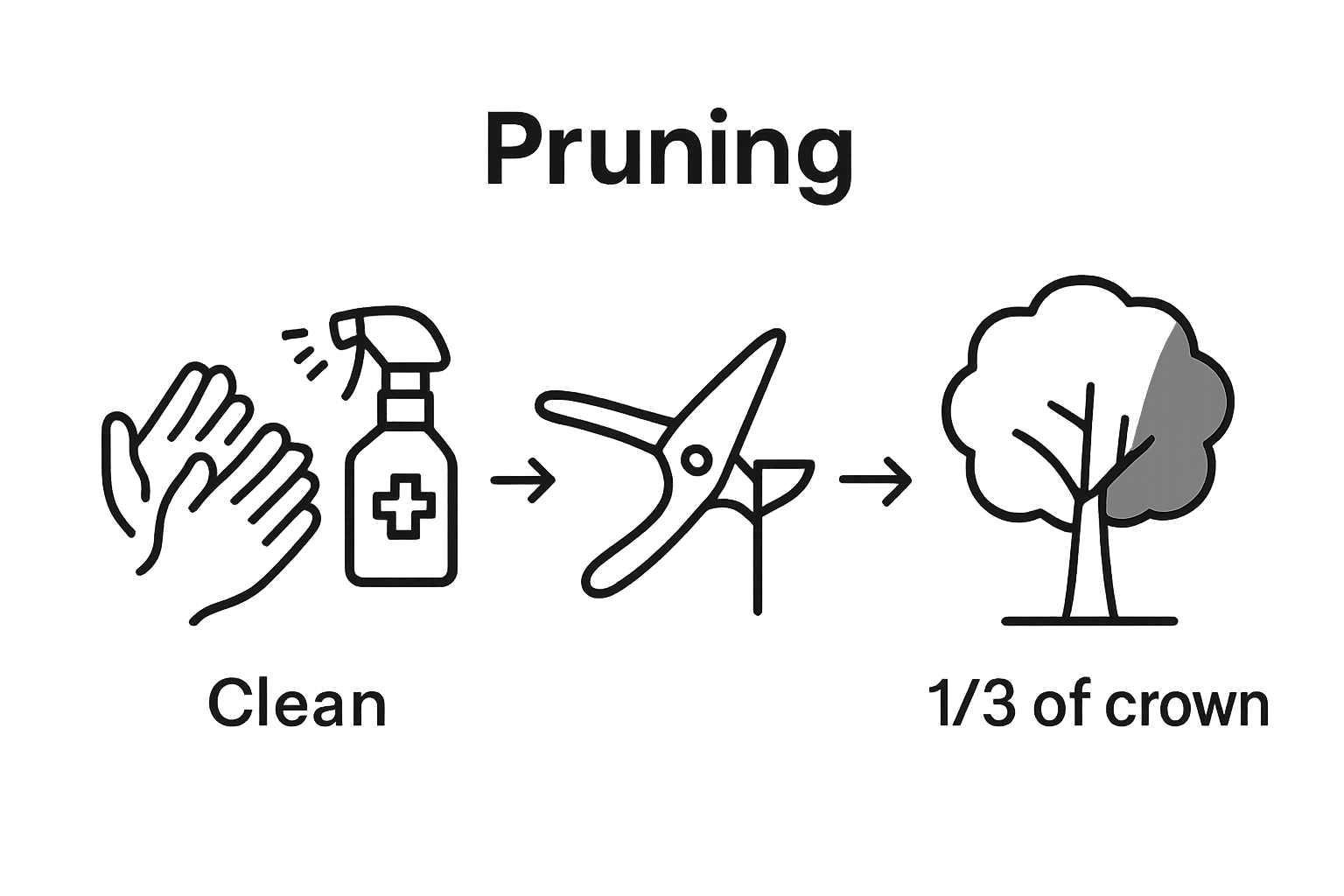
According to research from NC State Extension, the goal is to remove no more than one-third of a plant’s crown in a single season, ensuring the plant maintains its strength and structural integrity.
Your pruning approach will vary depending on the specific plant type and its bloom cycle. For plants that flower on old wood, such as lilacs and forsythia, prune immediately after their spring flowering to avoid removing next season’s bloom potential. Conversely, plants that bloom on new wood can be pruned during the dormant season before new growth begins.
Pruning techniques require precision and careful consideration. The three-cut method is recommended for larger branches to prevent bark tearing and damage:
- First cut: Make a partial cut underneath the branch about 12-18 inches from the trunk
- Second cut: Cut from the top slightly further out, allowing the branch to fall safely
- Final cut: Remove the remaining stub just outside the branch collar, avoiding flush cuts
Special considerations apply to certain species. For instance, oak trees require extra caution to prevent oak wilt disease. Avoid pruning oaks during active growing seasons, and if cuts are necessary, immediately seal them with latex paint to prevent potential infection.
By understanding these fundamental principles of pruning time and technique, you’ll create an environment that promotes healthy plant growth, enhances landscape aesthetics, and prevents potential damage. Remember that each cut is an intentional wound, so approach pruning with patience, knowledge, and careful consideration of each plant’s unique characteristics.
Step 4: Execute Pruning with Proper Techniques
Executing precise pruning techniques requires skill, patience, and a methodical approach. Your goal is to make clean, strategic cuts that promote plant health and natural growth patterns while minimizing potential damage to the tree or shrub.
Cutting technique is paramount when pruning trees and shrubs. According to research from NC State Extension, the most critical aspect is understanding how to identify and respect the branch collar—the swollen area where a branch connects to the trunk or another branch. This region contains specialized cells that help the tree heal and compartmentalize wounds, making it crucial to preserve during pruning.
For branches smaller than 3/4 inch in diameter, use sharp bypass pruners and make a single clean cut at a slight angle just outside the branch collar. When dealing with larger branches, employ the three-cut method to prevent bark tearing and potential trunk damage. Begin with an undercut about 12-18 inches from the trunk, cutting approximately one-third of the way through the branch from underneath. Next, make a top cut slightly further out from your first cut, allowing the branch to fall safely without stripping bark. Finally, make the precision removal cut just outside the branch collar, ensuring minimal damage to the tree’s natural healing mechanisms.
Key principles to remember during pruning include:
- Always use sharp, clean tools
- Make cuts at a 45-degree angle to prevent water accumulation
- Remove dead, diseased, or crossing branches first
- Maintain the tree’s natural shape and structure
- Avoid leaving stubs or making flush cuts against the trunk
Special attention is required for different plant types. Fruit trees, ornamental shrubs, and mature landscape trees each have unique pruning requirements. For instance, fruit-bearing trees benefit from more aggressive pruning to encourage productive growth, while ornamental shrubs might require more subtle shaping to maintain their aesthetic appeal.
By executing pruning with precision and understanding, you’ll create healthier, more vibrant trees and shrubs that will enhance your landscape’s beauty and longevity. Remember that each cut is a deliberate intervention in the plant’s growth, so approach the task with care, knowledge, and respect for the plant’s natural form.
Step 5: Clean Up and Properly Dispose of Clippings
Properly managing pruning debris is just as crucial as the pruning process itself. Your cleanup strategy will help prevent disease spread, maintain landscape health, and ensure environmental responsibility. Thoughtful disposal of clippings can transform what might seem like waste into a valuable resource for your garden.
Immediate sorting is essential when managing pruned materials. Begin by separating your clippings into distinct categories: healthy branches, diseased plant material, and potentially invasive growth. This initial organization will determine your disposal method and help prevent potential disease transmission across your landscape.
According to EPA guidelines, diseased or pest-infested plant materials should not be added to standard home compost piles. These potentially contaminated clippings require specialized handling to prevent spreading pathogens or invasive species. For healthy branches and clean pruning debris, consider several environmentally responsible disposal options.
Home composting offers an excellent solution for most pruning waste. Chop larger branches into smaller pieces to accelerate decomposition and create nutrient-rich organic matter for your garden. Wood chips from healthy branches can be repurposed as mulch, providing excellent ground cover and moisture retention for your landscape.
Key considerations for pruning waste disposal include:
- Separate diseased materials from healthy clippings
- Chop larger branches into manageable pieces
- Clean tools thoroughly after each use
- Avoid transporting potentially contaminated materials between properties
If your pruning volume exceeds home composting capacity, contact local municipal waste management or landscaping services that accept green waste. Many communities offer specialized green waste recycling programs that transform pruning debris into community mulch or compost.
Finalize your cleanup by thoroughly cleaning and disinfecting all pruning tools. Wipe down blades with alcohol or a 10% bleach solution to prevent potential disease transfer between plants. Store tools in a dry, clean area to maintain their condition and ensure they’re ready for your next pruning project.
By approaching pruning waste with careful consideration and environmental consciousness, you transform a routine landscaping task into an opportunity for sustainable garden management.
Step 6: Monitor Growth and Make Adjustments as Needed
Pruning is not a one-time event but an ongoing process of observation, assessment, and strategic intervention. After completing your initial pruning, monitoring your trees and shrubs becomes crucial to ensure their continued health, shape, and vitality.
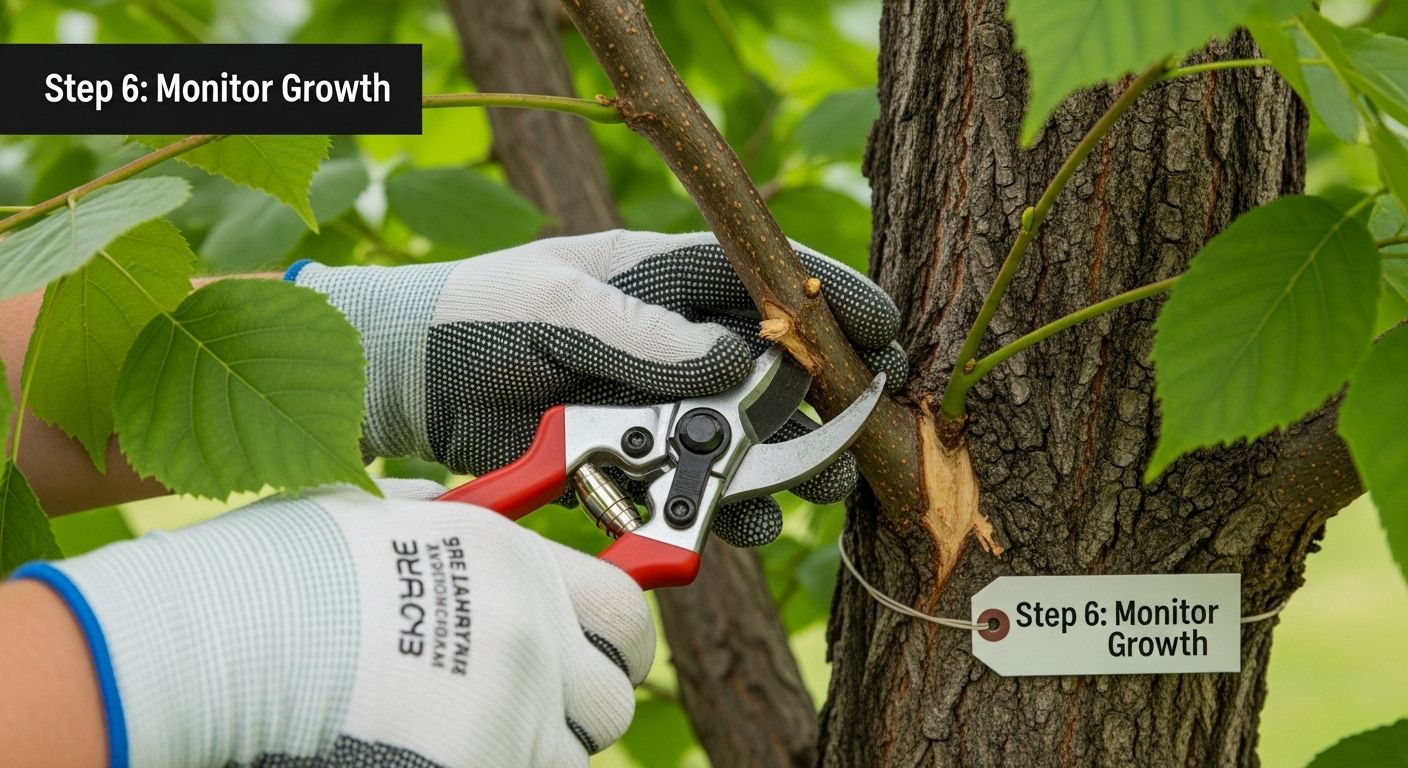
Growth response varies significantly between different plant species and individual specimens. Some trees and shrubs might generate vigorous new shoots, known as water sprouts, following pruning. According to the University of Maryland Extension, these upright shoots can quickly disrupt the carefully planned structure you’ve established during pruning.
Begin your monitoring process by conducting regular visual inspections throughout the growing season. Check for signs of new growth, potential disease, or structural changes. Pay special attention to areas where significant pruning occurred, as these regions will demonstrate the most dramatic regrowth and healing responses. Young, newly pruned trees might require more frequent observations compared to mature, established specimens.
Key monitoring activities include:
- Inspect branches for water sprouts and suckers
- Check wound sites for proper healing
- Observe overall tree structure and symmetry
- Look for signs of stress or disease
- Assess new growth patterns
Summer pruning can be an excellent strategy for managing excessive growth. By selectively removing new shoots during the active growing season, you can control the tree’s vigor and maintain its desired shape. However, exercise caution to avoid over-pruning, which can stress the plant and reduce its ability to produce essential carbohydrates through photosynthesis.
Critical adjustments might include removing water sprouts close to the trunk, thinning out overcrowded branches, and correcting any unintended growth patterns that emerge after your initial pruning. Always use clean, sharp tools and make precise cuts to minimize plant stress and potential infection.
Remember that each pruning intervention is part of a larger, ongoing dialogue with your landscape. Patience, careful observation, and strategic adjustments will help you cultivate healthy, beautiful trees and shrubs that enhance your outdoor environment year after year.
This table provides a concise overview of each step in the pruning process, including its primary focus and expected outcomes to help guide readers through the workflow efficiently.
| Step | Focus | Key Outcome |
|---|---|---|
| Gather Tools and Materials | Preparation | Ready, safe workspace and sharp, clean tools |
| Evaluate Plant Health | Assessment | Identify issues and inform pruning decisions |
| Determine Pruning Time and Technique | Planning | Choose optimal timing and method for each plant |
| Execute Pruning with Proper Techniques | Implementation | Clean, precise cuts for healthy regrowth |
| Clean Up and Dispose of Clippings | Tidying and Sustainability | Disease prevention and responsible waste disposal |
| Monitor Growth and Adjust as Needed | Ongoing Management | Maintain plant shape, health, and correct issues |
Take the Stress Out of Pruning With Ace Landscapes
Are you finding pruning overwhelming or worried about making costly mistakes that harm your trees and shrubs? Many homeowners struggle with choosing the right tools, knowing the best time to prune, and handling the cleanup and disposal of clippings safely. Even with step-by-step guides, it can be tough to maintain tree health, avoid disease, and shape your landscape just the way you envision.

Experience the difference our professional pruning and landscape maintenance services can make. Let our expert team at Ace Landscapes handle your next pruning project with precision and care. We use industry leading equipment, emphasize safety and plant health, and always clean up thoroughly. Whether you require one-time tree and shrub care or a complete year-round property maintenance solution, trust us to keep your landscape thriving. Visit our main site or reach out today for a personalized quote. Elevate your outdoor space with confidence and peace of mind.
Frequently Asked Questions
What tools do I need for pruning trees and shrubs?
To effectively prune trees and shrubs, you should have a set of professional-grade tools, including bypass hand pruners for branches under 3/4 inch, loppers for branches between 3/4 inch and 1-1/2 inches, and pruning saws for larger branches over 1-3/4 inches. A pole saw is also useful for reaching higher branches safely.
When is the best time to prune trees and shrubs?
The ideal pruning time for most trees and shrubs is late winter to early spring during their dormant phase. This timing helps minimize stress on the plants and promotes effective healing after cuts are made.
How should I assess the health of my trees and shrubs before pruning?
Conduct a thorough visual inspection starting from the base of the plant. Look for signs of stress, disease, dead branches, unusual growth patterns, and check leaf color and density to evaluate overall health.
What techniques should I use for effective pruning?
Employ precise techniques, such as the three-cut method for larger branches to prevent damage. Always cut at a 45-degree angle, avoid flush cuts against the trunk, and respect the branch collar to promote proper healing.
Recommended
- Landscaping for Sloped Yards: Calgary Solutions for 2025 – Ace Landscapes
- 7 Essential Tips for Landscape Design for Small Yards – Ace Landscapes
- Best Ornamental Grasses Calgary 2025: Top Choices & Care – Ace Landscapes
- Backyard Transformation Ideas for Calgary: Inspire Your 2025 Landscape – Ace Landscapes