
Understanding Drought Tolerant Landscaping for Calgary Homes
August 25, 2025
Master the Art of Pruning Trees and Shrubs in 2025
August 27, 2025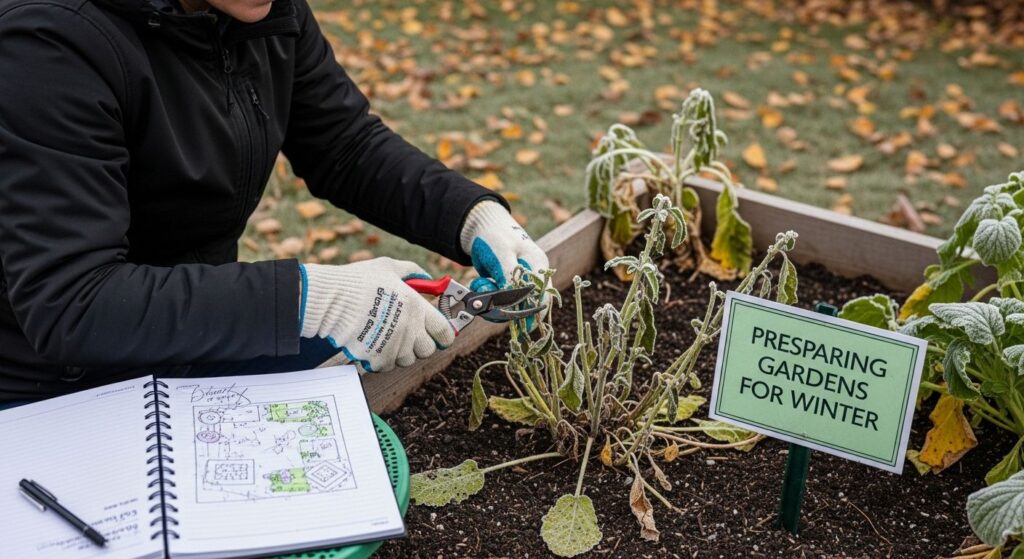
Calgary gardeners know winter can be ruthless and unpredictable. One year you might get a gentle freeze, the next you could be facing temperatures dropping to minus 30 degrees Celsius or lower. You might expect that means endless plant casualties and lacklustre gardens by spring. Yet gardens that follow a few clever winter prep steps actually bounce back stronger, with healthier blooms and less disease than those left to fend for themselves.
Table of Contents
- Step 1: Assess Your Garden’s Current Health
- Step 2: Clear Debris and Remove Weeds
- Step 3: Prune Perennials and Trees
- Step 4: Apply Mulch for Insulation
- Step 5: Prepare Soil for Spring Planting
- Step 6: Finalize Winterization and Verify Protection Measures
Quick Summary
| Key Point | Explanation |
|---|---|
| 1. Assess garden health first | Conduct a thorough inspection of all plants, assessing for stress, disease, and damage before winter preparation. |
| 2. Clear debris and weeds effectively | Remove fallen leaves and weeds completely to prevent disease and maintain garden health during winter. |
| 3. Prune plants appropriately | Trim dead or damaged branches from perennials and trees, focusing on those showing signs of stress for winter resilience. |
| 4. Apply mulch for insulation | Add a 2-4 inch layer of organic mulch when the ground cools to protect plants from temperature fluctuations and frost. |
| 5. Verify all winter protection measures | Conduct a final walkthrough to confirm mulch depth, drainage, and protective coverings are properly in place for winter. |
Step 1: Assess Your Garden’s Current Health
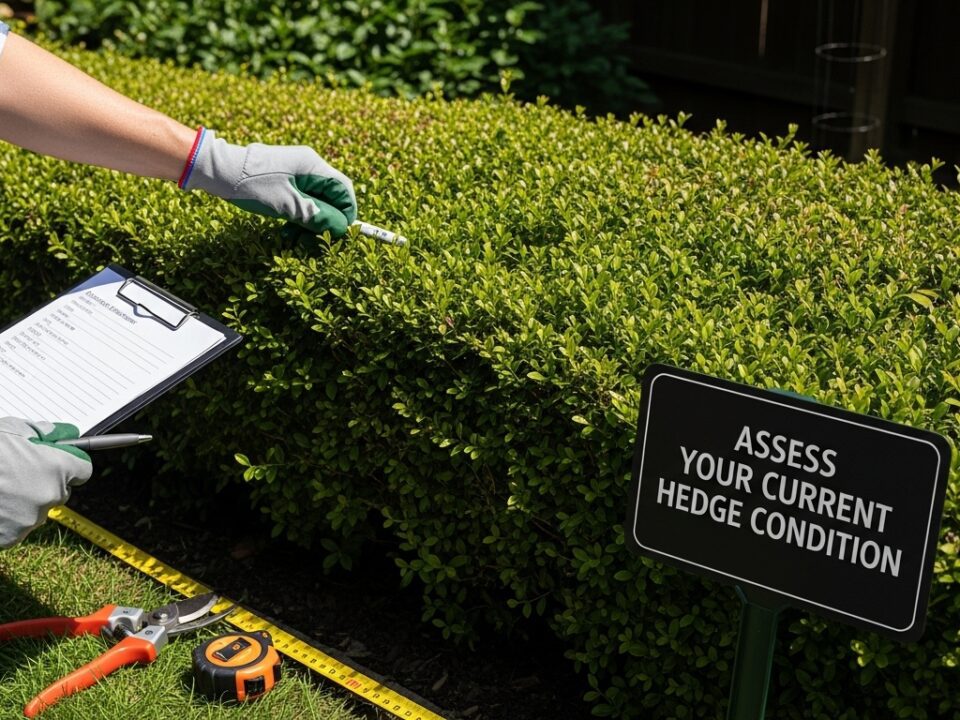
Before preparing your Calgary garden for winter, a thorough health assessment is crucial. This initial step helps you understand the current condition of your landscape and identify potential vulnerabilities that could impact its survival during the harsh winter months.
Begin by conducting a comprehensive walkthrough of your entire garden space. Look closely at each plant, examining leaves, stems, and root systems for signs of stress, disease, or damage. Healthy plants are more resilient to winter conditions, so identifying and addressing issues now can prevent more significant problems later.
Pay special attention to perennial plants, shrubs, and trees. Check for any signs of pest infestation, fungal growth, or mechanical damage from summer storms or extreme heat. In Calgary’s unique climate, plants can experience significant stress from rapid temperature fluctuations. Look for discoloration, wilting, unusual growths, or bark damage that might indicate underlying health issues.
Essential Tools for Garden Assessment:
- Sharp pruning shears
- Gardening gloves
- Magnifying glass
- Notebook for documentation
Documenting your findings is critical. Create a detailed garden map noting the condition of each plant, area of concern, and potential remediation strategies. This documentation will serve as a valuable reference when planning winter protection methods and spring recovery techniques.
For perennial plants and shrubs, gentle pruning can help remove damaged or diseased sections. However, be cautious not to over-prune, as some plants require specific pruning techniques depending on their species and current health status. If you are uncertain about a plant’s condition, consulting a local landscaping professional can provide expert insights tailored to Calgary’s specific gardening challenges.
Successful garden winterization begins with this meticulous assessment. By understanding your garden’s current health, you can develop a targeted strategy to protect and nurture your plants through the challenging winter months ahead.
Step 2: Clear Debris and Remove Weeds
Clearing debris and removing weeds is a critical step in preparing your Calgary garden for winter. This process not only improves the overall appearance of your landscape but also prevents potential disease and pest problems that could compromise your garden’s health during the cold months.
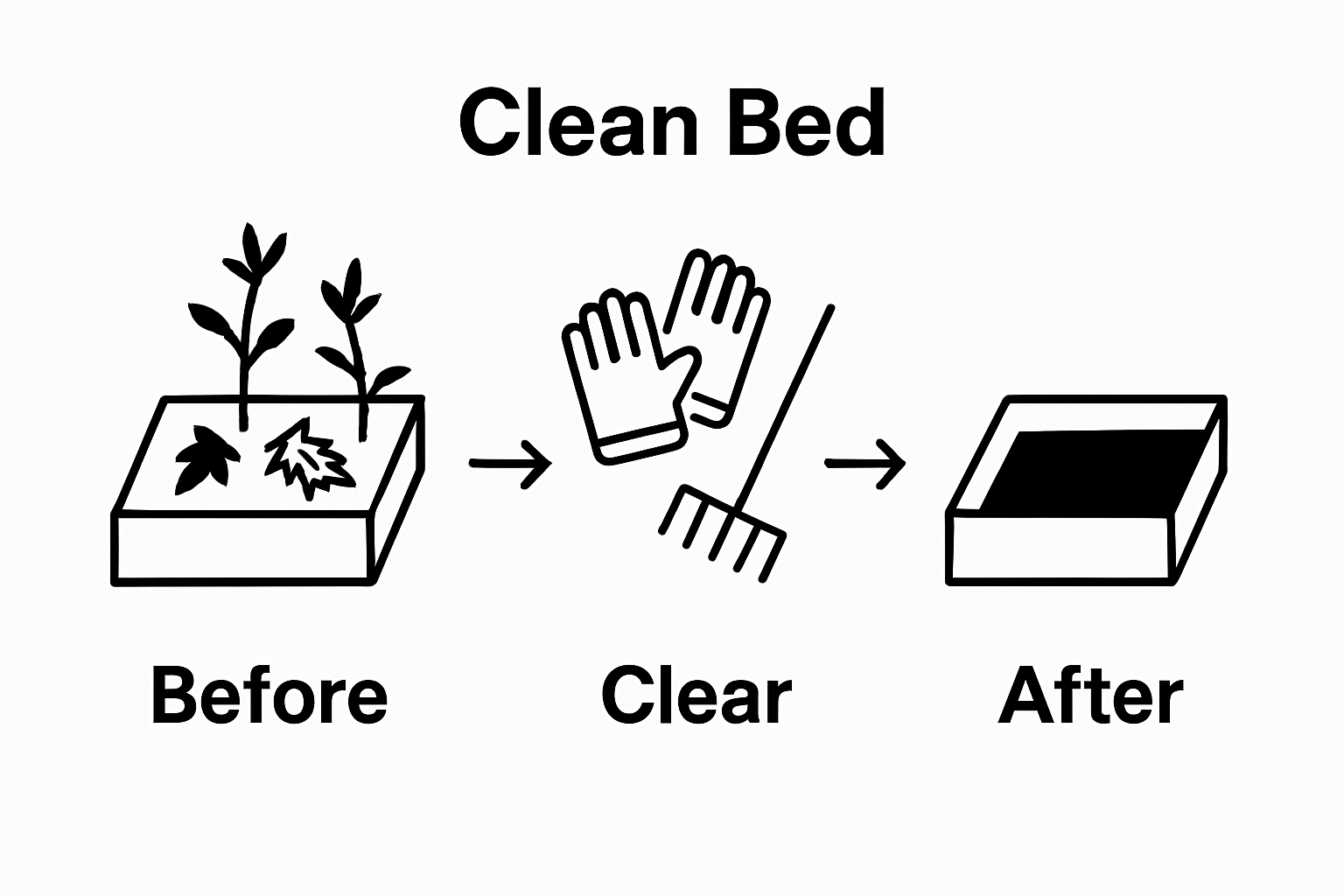
Begin by systematically removing fallen leaves, branches, and other organic debris from your garden beds and lawn areas. Accumulated organic matter can harbor fungal spores and insect eggs, creating potential breeding grounds for garden pests. Use a rake with flexible tines to gently clear away light debris, being careful not to disturb the root systems of perennial plants.
Weeds require special attention during this winterization process. These opportunistic plants compete with your desirable garden plants for nutrients and can establish strong root systems if left unchecked. Carefully pull weeds from the root, ensuring you remove the entire root system to prevent regrowth. For stubborn weeds, use gardening tools like a hand weeder or garden knife to extract the entire root structure.
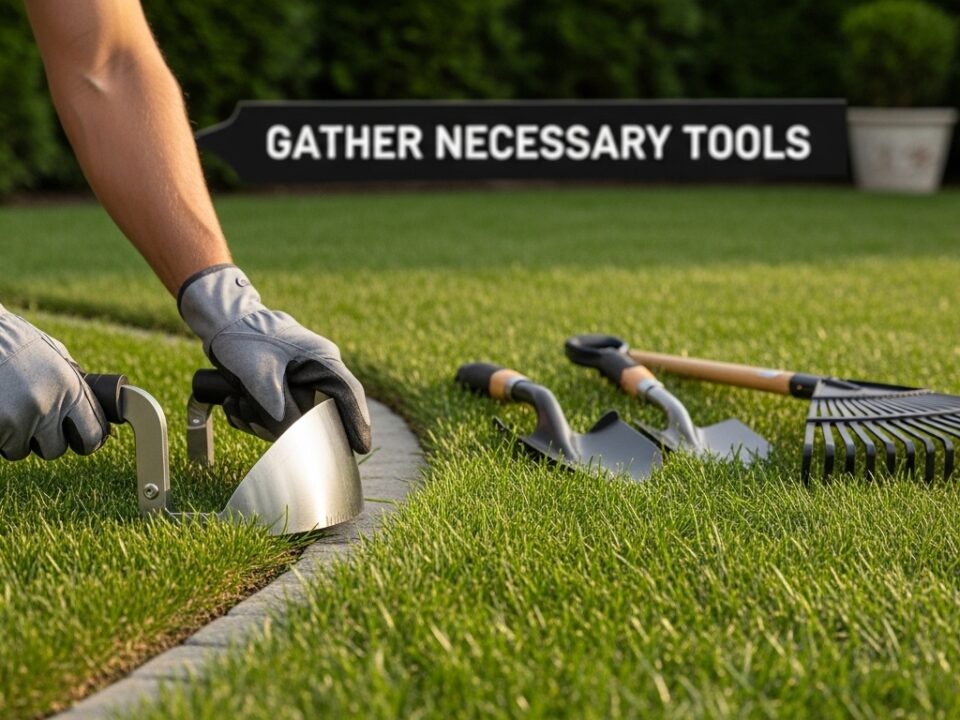
Essential Tools for Debris Removal and Weed Control:
- Garden rake
- Sturdy gardening gloves
- Hand weeder or garden knife
- Yard waste bags or compost bin
Pay special attention to areas around shrubs, perennial plants, and garden borders. These spaces often collect hidden debris and can become hiding spots for unwanted plant growth. Remove any dead plant material, spent annuals, and excessive mulch that might have accumulated during the growing season.
Consider the composting potential of the materials you remove. Clean, disease-free plant debris can be added to your compost pile, creating nutrient-rich soil amendments for future gardening seasons. However, diseased plants or weeds with mature seeds should be disposed of separately to prevent potential spread of infections or unwanted plant propagation.
As you clear your garden, take the opportunity to inspect the soil condition. Look for signs of compaction, erosion, or unusual changes in the garden’s terrain. This careful approach ensures that your garden is not just clean, but also prepared for the upcoming winter challenges unique to Calgary’s climate.
Step 3: Prune Perennials and Trees
Pruning is a critical winter preparation technique that promotes plant health, prevents potential damage, and sets the stage for robust spring growth in your Calgary garden. This strategic process involves carefully removing dead, damaged, or overgrown branches from perennials and trees to enhance their structural integrity and resilience during harsh winter conditions.
Begin by carefully inspecting each plant, looking for signs of disease, dead wood, or branches that show signs of stress or potential winter breakage. Proper pruning reduces the risk of winter storm damage and helps prevent potential disease transmission between plant sections. Focus on removing crossed or rubbing branches that can create wounds and entry points for pests and infections.
For perennials, timing is crucial. Wait until after the first hard frost when plants have entered dormancy. Cut back herbaceous perennials to approximately 3-4 inches above ground level, leaving enough structure to protect the plant’s crown. Some plants like lavender, rosemary, and certain ornamental grasses benefit from minimal pruning to maintain their structural integrity during winter months.
Essential Pruning Tools:
- Sharp, clean pruning shears
- Bypass pruners
- Pruning saw for larger branches
- Rubbing alcohol for tool sterilization
- Protective gardening gloves
Trees require a more nuanced approach. According to University of Minnesota Extension, winter is an ideal time for pruning deciduous trees when they are dormant. Remove any dead, diseased, or damaged branches, making clean cuts close to the branch collar without leaving stubs. Be particularly cautious with young or recently planted trees, as aggressive pruning can stress the plant.
Certain plants in your Calgary garden may have specific pruning requirements. Fruit trees, ornamental shrubs, and flowering plants each have unique characteristics that influence the pruning approach. If you are uncertain about a particular plant’s needs, consulting a local landscaping professional can provide targeted advice specific to your garden’s composition and Calgary’s challenging winter climate.
As you complete the pruning process, step back and assess the overall shape and structure of your plants. Proper pruning not only prepares your garden for winter but also sets the foundation for healthy, vigorous growth in the upcoming spring season.
Step 4: Apply Mulch for Insulation
Mulching is a critical strategy for protecting your Calgary garden during the harsh winter months. This protective layer acts as a crucial buffer between your plants and the extreme temperature fluctuations characteristic of Alberta’s winter climate. Proper mulch application can mean the difference between plant survival and winter damage.
Timing is essential when applying mulch. Wait until the ground has started to cool but before the first hard freeze. This typically occurs in late fall, when soil temperatures begin to drop but before the ground becomes completely frozen. The goal is to create a consistent insulation layer that maintains soil temperature and prevents frost heaving, which can damage plant roots.
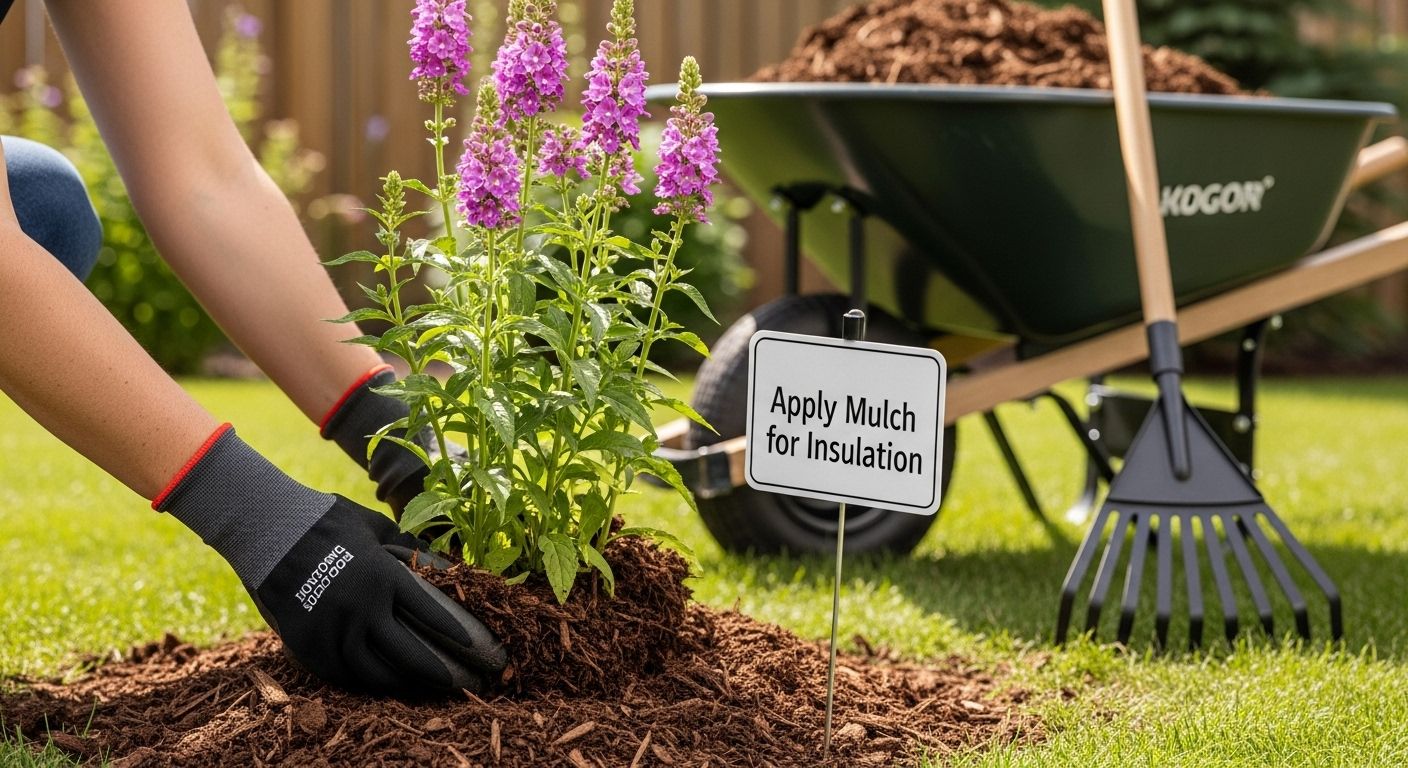
Choose organic mulch materials that provide optimal insulation and gradually decompose to improve soil quality. Options like shredded bark, wood chips, straw, or leaf mold work exceptionally well for Calgary gardens. Spread the mulch in a consistent layer approximately 2 to 4 inches thick, ensuring you leave a small gap around the base of plants and tree trunks to prevent moisture buildup and potential rot.
Essential Mulching Tools and Materials:
- High-quality organic mulch
- Garden rake
- Gardening gloves
- Wheelbarrow
- Sharp-edged shovel
According to University of Minnesota Extension, mulch serves multiple purposes beyond temperature regulation. It helps retain soil moisture, suppress weed growth, and protect plant roots from sudden temperature changes. For perennial beds and around shrubs, create a uniform layer that provides comprehensive protection.
Pay special attention to more vulnerable plants in your garden. Newly planted trees, shrubs, and perennials benefit most from mulch insulation. Create a slightly wider mulch circle for these plants, extending slightly beyond the drip line to provide maximum root protection. Be cautious not to pile mulch directly against plant stems or tree trunks, as this can create a hospitable environment for rodents and potentially cause bark damage.
As winter approaches, your carefully applied mulch layer will act as a protective blanket, shielding your garden’s root systems from Calgary’s challenging winter conditions.
This strategic approach sets the foundation for healthy, vibrant plant growth when spring returns.
Step 5: Prepare Soil for Spring Planting
Preparing your garden soil for spring planting is a critical step in ensuring a successful and vibrant growing season in Calgary’s challenging climate. This proactive approach allows you to address soil health, structure, and nutrient composition during the winter months, setting the stage for robust plant growth when spring arrives.
Soil preparation begins with a comprehensive assessment of your garden’s current condition. Start by testing your soil’s pH and nutrient levels using a home testing kit or by sending samples to a local agricultural extension service. Understanding your soil’s composition helps you make targeted amendments that will optimize plant health and productivity.
Incorporate organic matter into your garden beds during the late fall. Compost, well-aged manure, and leaf mold are excellent additions that improve soil structure, enhance drainage, and provide essential nutrients. Spread a layer of organic material approximately 2-3 inches thick across your garden beds, gently working it into the top layer of soil without disturbing the underlying structure too aggressively.
Essential Soil Preparation Tools:
- Garden fork
- Compost
- Soil testing kit
- Organic amendments
- Wheelbarrow
- Protective gardening gloves
According to Washington State University Extension, fall soil preparation helps prevent erosion and allows organic materials time to decompose and integrate into the soil. In Calgary’s climate, this approach provides additional protection against winter’s harsh conditions while simultaneously improving soil fertility.
Pay special attention to areas that experienced heavy planting or showed signs of nutrient depletion during the previous growing season. These zones may require more substantial amendments. Consider creating raised organic matter mounds in specific garden sections to improve drainage and provide additional insulation for delicate plant roots.
As you complete your soil preparation, cover the amended areas with a light layer of mulch. This protective covering helps maintain soil temperature, prevents erosion, and supports the gradual breakdown of organic materials. Your carefully prepared soil will rest through the winter, developing a rich, nutrient-dense environment ready to support vigorous plant growth when spring emerges.
Step 6: Finalize Winterization and Verify Protection Measures
Finalizing your garden’s winterization is the ultimate step in ensuring comprehensive protection for your Calgary landscape during the challenging cold months. This critical phase involves a systematic review and verification of all protective measures you have implemented throughout the previous preparation stages.
Begin with a comprehensive walkthrough of your entire garden space, carefully examining each area to confirm that all protection strategies are correctly in place. Check the integrity of mulch layers, ensuring they provide consistent coverage without leaving vulnerable spots exposed. Look for any gaps in protection around sensitive plants, tree bases, and garden borders that might require additional attention.
Inspect your garden’s drainage systems and potential water accumulation areas. Calgary’s freeze-thaw cycles can create significant challenges for landscape features. Ensure that water-sensitive areas have proper drainage and that no standing water could potentially damage plant roots or create ice formations. Adjust any landscape contours or add additional drainage solutions if you notice potential problem areas.
Critical Winterization Verification Checklist:
- Confirm mulch layer depth and consistency
- Check protective coverings on sensitive plants
- Verify drainage and water management systems
- Inspect tree and shrub protection measures
- Assess overall garden structural integrity
According to University of California Agriculture and Natural Resources, final winterization involves more than physical protection. Take time to clean and store gardening tools, ensuring they are properly maintained and ready for spring. Sharpen pruning tools, clean soil from implements, and apply a light coat of oil to prevent rust during storage.
Pay special attention to more vulnerable garden elements. Delicate perennials, recently planted specimens, and plants with limited cold tolerance might require additional protection such as burlap wraps or specialized winter covers. Create a detailed documentation of your garden’s current state, noting any areas of potential concern or plants that might need extra care during the winter months.
As you complete this final verification, step back and review your comprehensive winterization strategy. Your meticulous preparation will help ensure that your Calgary garden remains protected, resilient, and prepared to emerge vibrant and healthy when spring arrives.
Use this checklist table to review all final winterization tasks in your Calgary garden. This will ensure you"ve covered all protective measures before winter fully sets in.
| Task | How to Verify |
|---|---|
| Mulch layer depth & consistency | Check for 2-4 inch coverage, no bare spots |
| Protective coverings on sensitive plants | Inspect for secure wraps/covers |
| Drainage & water management | Look for proper runoff and no pooling |
| Tree & shrub protection measures | Ensure bases and trunks are insulated |
| Garden tool maintenance & storage | Clean, sharpen, and oil tools before storing |
| Documentation of vulnerable areas | Note plants/areas needing extra monitoring |
| Overall garden structural integrity | Observe for exposed or at-risk areas |
Trust Your Calgary Garden’s Winter Protection to Proven Professionals
Preparing your garden for winter in Calgary can feel overwhelming, especially when coping with unpredictable weather, soil challenges, and the risk of plant loss. The detailed steps in this guide—from assessing plant health to applying mulch and preparing soil—shine a light on how much care is needed for every unique garden. But even with the best advice, the real peace of mind comes from knowing each detail is handled expertly and nothing is overlooked.

Why worry about winter risks when you can partner with Calgary’s leading landscape experts? At Ace Landscapes you get thorough, hands-on support for garden assessments, soil preparation, fall cleanup, mulch installation, and winter protection strategies matched to local conditions. Explore recent projects, discover more about our year-round landscaping services, and see how our reliable team can quickly prepare your property for the cold. Visit Ace Landscapes now and schedule your personalized garden winterization before Calgary’s weather turns. Secure your spot today to protect your garden’s future.
Frequently Asked Questions
How do I assess my garden’s health before winter?
Begin by conducting a thorough walkthrough of your garden, examining plants for signs of stress, disease, or damage. Document your findings, noting the condition of each plant and areas of concern.
What tools are essential for preparing my garden for winter?
Key tools include sharp pruning shears, a garden rake, a hand weeder, gardening gloves, and organic mulch. These tools will aid in assessing plants, clearing debris, and applying mulch effectively.
When is the best time to prune perennials and trees for winter preparation?
The ideal time to prune perennials is after the first hard frost when they have entered dormancy. For trees, winter is also a favorable time as they are dormant and less susceptible to stress.
How much mulch should I apply to my garden for winter protection?
Apply a layer of organic mulch approximately 2 to 4 inches thick. Ensure a small gap is left around plant bases to prevent moisture buildup and potential rot.