
How to Choose a Landscaper for Your Property in Calgary
August 21, 2025
Understanding Landscaping Return on Investment
August 23, 2025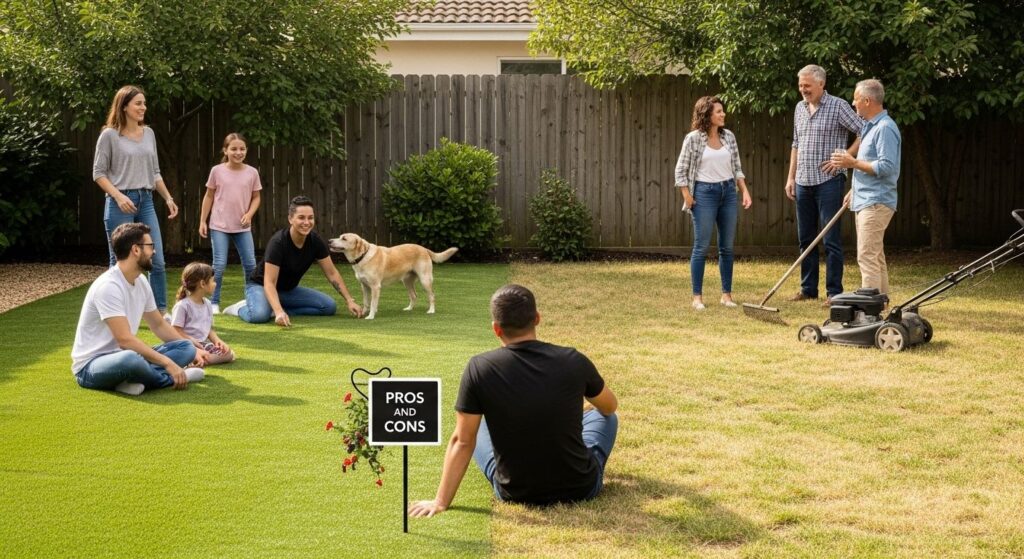
Artificial turf looks just like real grass and you have probably seen it on sports fields or in your neighbour’s front yard. The surprise is that artificial turf can save up to 70 percent on water every year compared to natural grass. But water savings are only part of the story. The most unexpected part is how this synthetic grass changes everything from costs to the environment and might not always do it the way you think.
Table of Contents
- What Is Artificial Turf And How Does It Work?
- Why Artificial Turf Matters For Homeowners And Businesses
- The Environmental Impact Of Artificial Turf
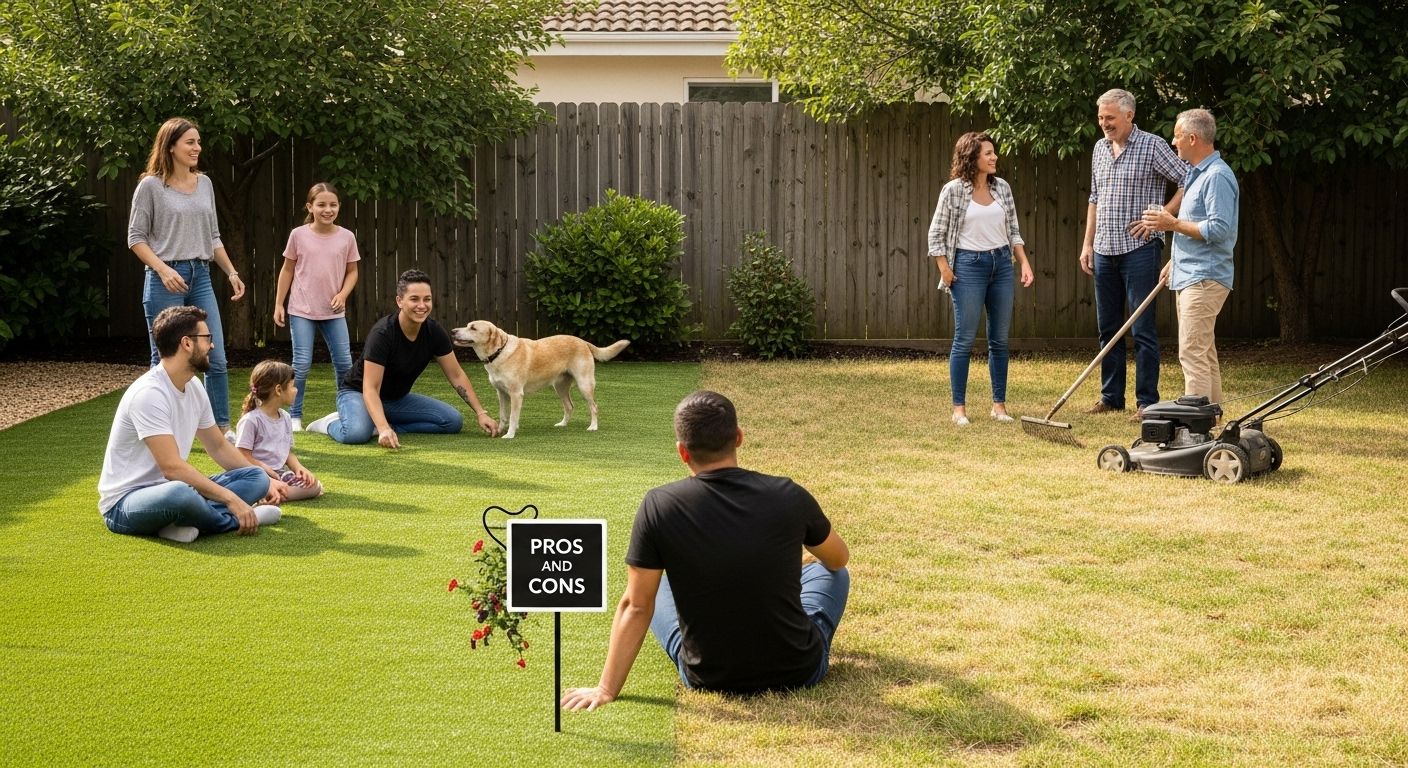
- Cost Considerations: Pros And Cons Of Artificial Turf
- Real-World Applications And User Experiences
Quick Summary
| Takeaway | Explanation |
|---|---|
| Artificial turf requires minimal maintenance. | It does not need watering, mowing, or fertilizing, making it a practical choice for many environments. |
| Costs of installation are higher than natural grass. | Initial costs for synthetic turf range from $5 to $15 per square foot compared to natural grass at $0.50 to $1.50. |
| Artificial turf can reduce water consumption by 70%. | Its installation significantly lowers water usage, leading to substantial cost savings on water bills for homeowners and businesses. |
| Consider environmental impacts before installing. | Potential issues like microplastic pollution and higher surface temperatures should be evaluated against practical benefits. |
| Suitable for diverse applications across spaces. | From residential lawns to commercial properties, artificial turf is versatile for various landscaping needs and challenges. |
What is Artificial Turf and How Does It Work?
Artificial turf represents an engineered alternative to natural grass, designed to provide a low-maintenance, durable surface for various applications. Unlike traditional grass, this synthetic landscaping solution replicates the appearance and functionality of natural lawn environments through advanced manufacturing techniques.
The Composition of Artificial Turf
Artificial turf is primarily constructed using sophisticated plastic polymers that mimic grass blade characteristics. According to Purdue University Extension, the material typically involves multiple layers of synthetic components:
- Synthetic fibers made from polyethylene or polypropylene
- A sturdy backing material for structural integrity
- Infill materials like rubber granules or sand for stabilization
These carefully engineered materials create a surface that looks remarkably similar to natural grass while offering significant practical advantages. The manufacturing process involves extruding plastic fibers into specific shapes and lengths, then attaching them to a permeable backing that allows water drainage.
Installation and Functionality
The installation of artificial turf goes beyond simply laying down synthetic grass. Professionals prepare the ground by creating a stable, well-draining base layer typically composed of compacted gravel and sand. This foundation ensures proper water management and prevents uneven settling.
Once installed, artificial turf functions differently from natural grass. It requires no watering, mowing, or fertilizing, making it an attractive option for areas with limited resources or challenging growing conditions. The surface provides consistent appearance and performance, resisting wear and maintaining its visual appeal with minimal maintenance.
Key functional characteristics include:
- Rapid water drainage through specialized backing
- UV resistance to prevent color fading
- Durability against heavy foot traffic
- Consistent surface without brown spots or uneven growth
Below is a breakdown of the main components and functional characteristics of artificial turf, as discussed in the composition and installation sections. This table helps clarify what artificial turf is made of and how it performs in practical settings.
| Component / Characteristic | Description |
|---|---|
| Synthetic Fibres | Made from polyethylene or polypropylene to mimic grass blades |
| Backing Material | Provides structure and allows water drainage |
| Infill Materials | Rubber granules or sand for stability and cushioning |
| UV Resistance | Protects against colour fading from sunlight |
| Water Drainage | Specialized backing enables rapid drainage |
| Durability | Withstands heavy foot traffic and wear |
| Maintenance Needs | Minimal; does not require watering, mowing, or fertilizing |
While artificial turf offers numerous benefits, understanding its composition and installation process helps property owners make informed decisions about whether this landscaping solution meets their specific needs.
Why Artificial Turf Matters for Homeowners and Businesses
Artificial turf represents more than just an aesthetic landscaping choice it offers strategic advantages for property owners seeking practical, cost-effective outdoor solutions. Whether managing residential spaces or commercial properties, artificial turf provides significant benefits that address numerous environmental and financial challenges.
Economic Advantages and Cost Savings
For homeowners and businesses, artificial turf delivers substantial long-term financial benefits. According to Water Research Foundation, replacing natural grass can reduce water consumption by up to 70% annually, translating into meaningful utility cost reductions.
Key economic benefits include:
- Elimination of ongoing lawn maintenance expenses
- Reduced water utility bills
- Minimal repair and replacement costs
- Consistent aesthetic appeal without regular landscaping investments
Commercial properties particularly benefit from artificial turf’s durability and low maintenance requirements. Businesses can allocate resources more efficiently by minimizing landscape management expenditures while maintaining professional, attractive outdoor environments.
Environmental and Practical Considerations
Beyond financial advantages, artificial turf addresses several environmental challenges faced by traditional landscaping. The synthetic surface eliminates the need for harmful pesticides, reduces carbon emissions from lawn equipment, and provides consistent usability across different weather conditions.
Practical advantages for property owners include:
- Year-round green appearance
- Resistance to heavy foot traffic
- Reduced allergen production
- Adaptability to challenging terrain or climate conditions
Residential and commercial properties can transform underutilized spaces into functional, attractive areas without the ongoing maintenance demands of natural grass. From rooftop gardens to sports facilities, artificial turf offers versatile solutions that combine aesthetic appeal with practical functionality.
By understanding these comprehensive benefits, property owners can make informed decisions about integrating artificial turf into their landscaping strategies, balancing economic efficiency with environmental responsibility.
The Environmental Impact of Artificial Turf
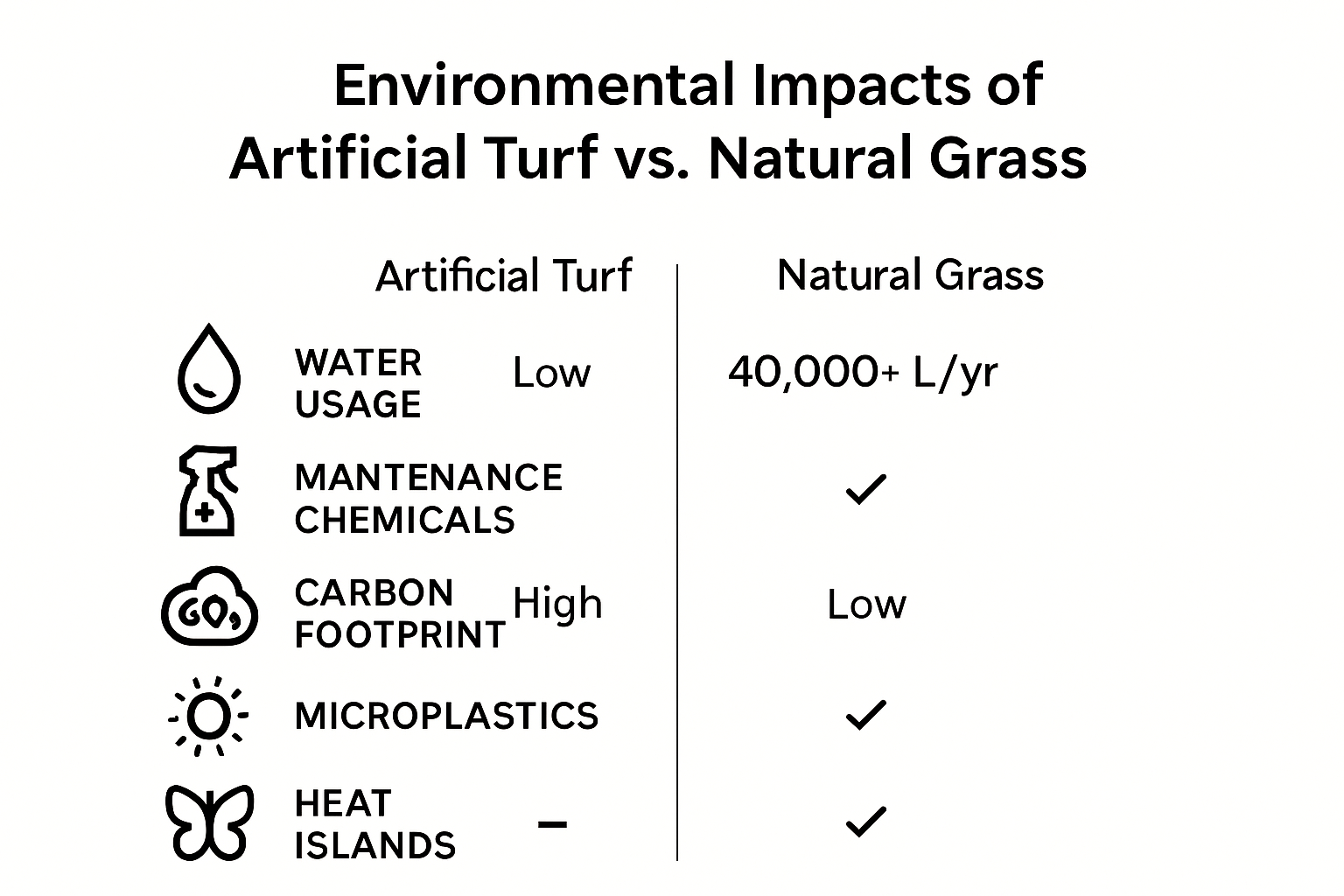
Artificial turf presents a complex environmental landscape, balancing potential benefits with significant ecological considerations. While often marketed as an environmentally friendly alternative, the synthetic surface introduces nuanced environmental challenges that property owners and ecological experts must carefully evaluate.
Microplastic and Chemical Concerns
According to International Journal of Environmental Research and Public Health, artificial turf generates substantial environmental risks through microplastic generation and potential chemical leaching. The synthetic materials break down over time, releasing microscopic plastic particles that can contaminate surrounding ecosystems.
Primary environmental concerns include:
- Generation of microplastic particles
- Potential chemical runoff into soil and water systems
- Reduced biodiversity in installation areas
- Limited natural ecosystem interaction
The manufacturing process of artificial turf involves petroleum-based materials, which contribute to carbon emissions and represent a significant environmental footprint compared to natural grass landscapes.
Heat Management and Ecological Adaptation
Artificial turf surfaces demonstrate markedly different thermal characteristics compared to natural grass. These synthetic landscapes can generate significantly higher surface temperatures, potentially creating localized heat islands that impact surrounding environmental conditions.
Key ecological considerations include:
- Higher surface temperature compared to natural grass
- Reduced capacity for natural cooling mechanisms
- Limited capacity to support local insect and microbial ecosystems
- Potential disruption of natural ground temperature regulation
While artificial turf offers certain environmental advantages like reduced water consumption and elimination of chemical fertilizers, the long-term ecological implications remain complex. Property owners must weigh immediate practical benefits against potential environmental trade-offs, considering the broader impact of synthetic landscaping solutions on local ecological systems.
Cost Considerations: Pros and Cons of Artificial Turf
Artificial turf represents a significant financial investment that requires careful evaluation of both initial expenses and long-term economic implications. Property owners must navigate a complex landscape of upfront costs, maintenance expenses, and potential financial benefits when considering synthetic landscaping solutions.
To help readers evaluate which surface best suits their needs, the table below compares key features and challenges of artificial turf versus natural grass based on information provided in the article.
| Feature / Consideration | Artificial Turf | Natural Grass |
|---|---|---|
| Initial Installation Cost | $5 to $15 per sq ft | $0.50 to $1.50 per sq ft |
| Annual Maintenance Cost | $0.25 to $1 per sq ft | Higher (watering, mowing, fertilizing) |
| Water Usage | Up to 70% less than natural grass | High |
| Maintenance Needs | Minimal (no watering, mowing, or fertilizing) | Regular care required |
| Environmental Concerns | Microplastics, chemical runoff, heat islands | Pesticide use, carbon emissions from mowing |
| Lifespan / Replacement | 8-10 years | Potentially indefinite (with care) |
| Impact on Ecosystem | Limited biodiversity; does not support insects/microbes | Supports local flora and fauna |
| Consistent Appearance | Yes, year-round green | Can brown or die off seasonally |
Initial Installation Expenses
According to University of Florida Agricultural Extension, artificial turf installation costs dramatically exceed traditional landscaping methods. While natural grass sod installation ranges from 50 cents to $1.50 per square foot, synthetic turf typically costs between $5 to $15 per square foot.
Key initial investment considerations include:
- Significantly higher upfront installation costs
- Professional preparation of ground surface
- Quality of synthetic materials selected
- Complexity of installation area
Commercial and residential properties must budget carefully, recognizing that the initial investment represents a substantial financial commitment compared to traditional landscaping approaches.
Long-Term Maintenance and Economic Analysis
Beyond initial installation, artificial turf presents a nuanced economic profile. Annual maintenance costs typically range between 25 cents and $1 per square foot, which compares favorably to ongoing natural grass management expenses like watering, fertilizing, and mowing.
Financial advantages of artificial turf include:
- Elimination of regular landscaping maintenance costs
- Reduced water utility expenses
- Consistent aesthetic appearance
- Predictable long-term financial planning
However, property owners should also consider the synthetic surface’s limited lifespan. Most artificial turf requires complete replacement every 8-10 years, introducing a significant periodic reinvestment that must be factored into overall financial calculations.
By comprehensively analyzing both immediate and future economic implications, property owners can make informed decisions about whether artificial turf represents a financially prudent landscaping solution for their specific needs.
Real-World Applications and User Experiences
Artificial turf has transcended its initial sporting applications to become a versatile solution across residential, commercial, and public spaces. Its adaptability and performance characteristics have transformed how property owners and community planners approach landscaping and functional outdoor environments.
Residential and Commercial Landscape Integration
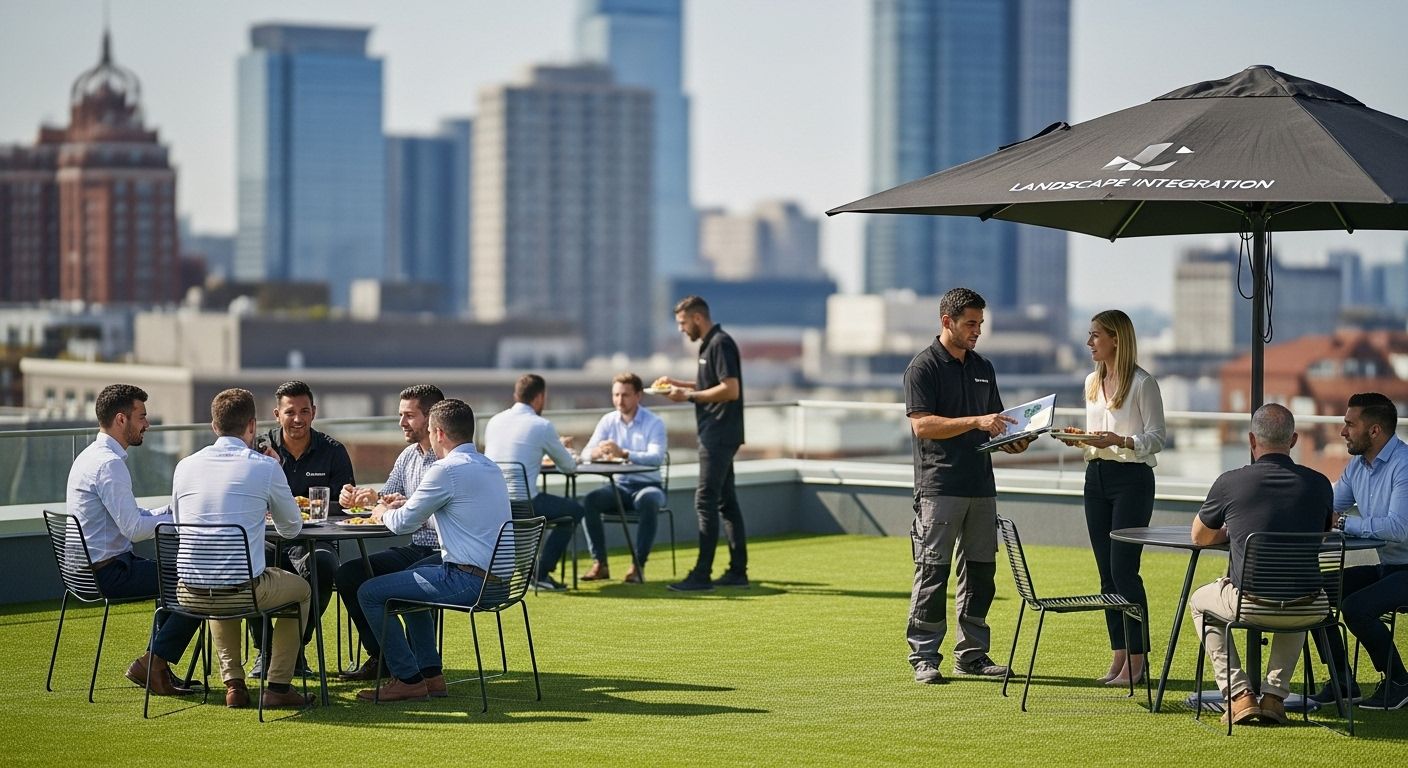
Homeowners and businesses increasingly adopt artificial turf for diverse applications beyond traditional lawn replacement. Rooftop gardens, balconies, and challenging terrain areas now benefit from synthetic surfaces that provide consistent aesthetic and functional qualities.
Common residential and commercial applications include:
- Urban rooftop and terrace landscaping
- Commercial property entrance areas
- Pet-friendly outdoor spaces
- Low-maintenance recreational zones
- Decorative landscape design elements
These applications demonstrate artificial turf’s flexibility in addressing unique spatial and environmental challenges where natural grass would struggle to thrive.
Sports and Recreational Facility Implementations
According to the Synthetic Turf Council, artificial turf has revolutionized sports and recreational facility design. From community playgrounds to professional athletic fields, synthetic surfaces offer unprecedented durability, accessibility, and performance consistency.
Key recreational and sports applications feature:
- Multi-purpose athletic fields
- School and community playground surfaces
- Indoor and outdoor training facilities
- Specialized sports venues
- Accessibility-focused public spaces
The synthetic surface provides uniform playing conditions, reduces maintenance requirements, and enables year-round utilization of athletic and recreational spaces. By eliminating weather-related limitations, artificial turf creates more inclusive and adaptable environments for athletes and community members.
User experiences consistently highlight artificial turf’s ability to deliver practical, aesthetically pleasing solutions across diverse contexts, demonstrating its potential to transform traditional approaches to landscaping and outdoor space management.
Discover Your Perfect Outdoor Solution with Ace Landscapes
Tired of weighing the pros and cons of artificial turf versus natural grass? Reading about installation costs, maintenance demands, and environmental impacts can leave anyone feeling overwhelmed when deciding what is truly right for their property. At Ace Landscapes, we understand these exact challenges and specialize in transforming outdoor spaces into beautiful and functional environments tailored to your unique needs. Whether your goal is to enjoy a lush, green yard year-round or to find a maintenance-free surface for busy commercial areas, our Calgary team is here to help you make the most of your investment.
Why wait to have the landscape you deserve? Visit Ace Landscapes today to discover how our custom landscape installation services can address your concerns about water, durability, and ongoing maintenance. Our experts are ready to guide you through each step, from product selection to completed installation. Take the first step now to enhance your property’s value and curb appeal for every season.
Frequently Asked Questions
What is artificial turf made of?
Artificial turf is primarily constructed from synthetic polymers such as polyethylene or polypropylene, designed to mimic natural grass blades. It consists of multiple layers including synthetic fibers, a sturdy backing material, and infill materials like rubber granules or sand for stabilization.
How does artificial turf compare to natural grass in terms of maintenance?
Artificial turf requires significantly less maintenance than natural grass. It does not need watering, mowing, or fertilizing, which makes it an ideal solution for areas with limited resources. While natural grass requires regular care, artificial turf maintains a consistent appearance with minimal upkeep.
What are the main environmental concerns associated with artificial turf?
Key environmental concerns include the generation of microplastics, potential chemical leaching into soil and water, and the creation of heat islands due to higher surface temperatures compared to natural grass. These factors can impact local ecosystems and biodiversity.
How long does artificial turf typically last, and what are the cost considerations?
Artificial turf generally has a lifespan of 8-10 years before requiring complete replacement. While the initial installation costs are higher than natural grass, artificial turf can lead to long-term savings on maintenance and water expenses, making it a financially attractive option over time.