
Top Irrigation System Benefits for Calgary Properties
August 19, 2025
How to Choose a Landscaper for Your Property in Calgary
August 21, 2025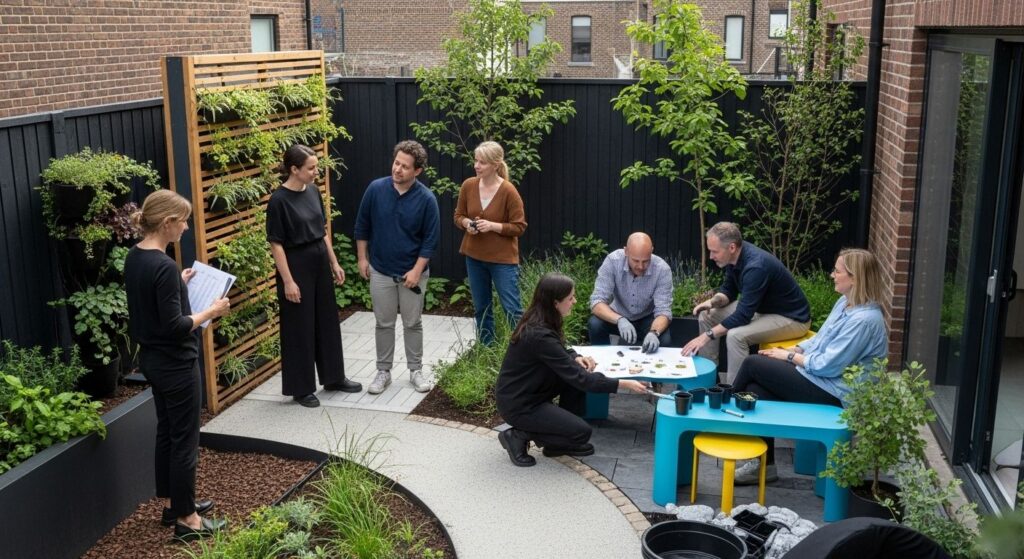
Designing a small outdoor space can feel like solving a tricky puzzle. Most people think a tiny yard means giving up on dreams of a lush, inviting landscape. But the truth is, you can craft a stunning oasis no matter the size, and experts say that even microclimates in tiny spaces can open up big opportunities for unique plant choices and creative layouts. Get ready to see just how much potential your little patch of land really holds.
Table of Contents
- Assess Your Space And Identify Limitations
- Choose The Right Plants For Small Areas
- Incorporate Vertical Gardening Techniques
- Use Pathways And Dividers Wisely
- Create Focal Points To Draw The Eye
- Opt For Multi-Functional Outdoor Furniture
- Maintain And Adapt Your Landscape Over Time
Quick Summary
| Takeaway | Explanation |
|---|---|
| Assess your outdoor space thoroughly. | Measure dimensions and note sunlight, elevation, and existing structures to enhance design potential. |
| Select compact, multi-functional plants. | Choose plants with less space requirements that provide visual interest and functionality for better design harmony. |
| Utilize vertical gardening techniques. | Implement wall-mounted planters and trellises to maximize greenery without taking up ground space. |
| Incorporate pathways and dividers strategically. | Use these elements to create visual interest and define spaces, enhancing the overall flow of the landscape. |
| Maintain and adapt your landscape over time. | Regularly monitor and adjust your design for optimal health and aesthetics, allowing your space to evolve. |
1: Assess Your Space and Identify Limitations
Landscape design for small spaces begins with a thorough understanding of your available area. Every square metre counts when working with limited outdoor territory, making strategic assessment critical to maximizing potential. Before diving into design elements, you need a comprehensive evaluation of your existing landscape.
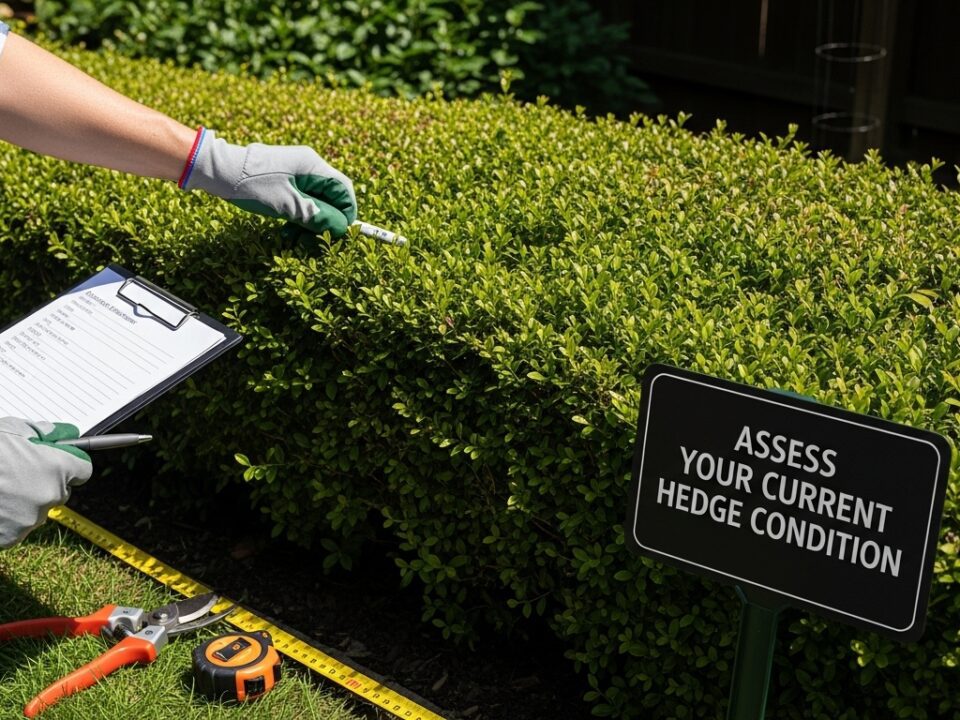
Start by carefully measuring your entire outdoor space. Use a measuring tape to determine precise dimensions, noting not just overall area but specific sections that might have unique characteristics. Pay special attention to sunlight exposure, ground elevation, and existing architectural features that could impact your landscape design.
Key considerations for small space landscape assessment include:
- Size and shape of the available area
- Natural light patterns throughout the day
- Soil quality and drainage conditions
- Existing vegetation or structural elements
Understanding microclimatic conditions is equally important. Small spaces can create unique environmental pockets that differ significantly from surrounding areas. According to landscape design experts, these microclimates can offer opportunities for specialized plant selections and design strategies.
Document your observations meticulously. Create a simple sketch or digital diagram of your space, marking important elements like sun exposure, shade zones, potential planting areas, and existing infrastructure. This visual representation will serve as your foundational planning tool.
Consider potential limitations that might impact your landscape design. These could include:
- Restricted vertical space
- Underground utility lines
- Building foundation constraints
- Local municipal landscaping regulations
By conducting a comprehensive initial assessment, you transform a potentially challenging small space into an opportunity for creative and functional landscape design. Careful planning at this stage sets the groundwork for a stunning outdoor environment that maximizes every available centimetre.
2: Choose the Right Plants for Small Areas
Selecting appropriate plants is crucial when designing landscape for small spaces. Not all greenery is created equal, and your choices can dramatically impact the perception of space and overall aesthetic. The goal is to create a visual balance that feels intentional and harmonious without overwhelming the limited area.
Start by prioritizing compact and multi-functional plant varieties that offer maximum visual impact with minimal footprint. Consider plants that serve multiple purposes such as providing visual interest, offering seasonal colour variations, and potentially contributing practical benefits like herbs or small fruit-bearing species.
Key plant selection criteria for small landscape design include:
- Mature plant size and growth habits
- Maintenance requirements
- Seasonal colour and texture variations
- Native species adaptability
- Water and sunlight needs
Landscape design professionals recommend focusing on vertical growth strategies to maximize limited ground space. This might involve:
- Climbing plants along walls or trellises
- Columnar tree varieties
- Tiered planting arrangements
- Hanging basket configurations
Pay close attention to plant proportions. In small spaces, oversized plants can quickly feel overwhelming and disrupt the visual flow. Opt for dwarf cultivars or species naturally inclined to compact growth. Japanese maples, ornamental grasses, and carefully pruned shrubs often work exceptionally well in restricted areas.
Consider the visual rhythm and layering of your plant selections. Combine different heights, textures, and colours to create depth and interest without cluttering the space. Strategic placement can make a small landscape feel more expansive and dynamic.
Remember that maintenance matters. Choose plants that align with your available time and gardening expertise. Low-maintenance, drought-tolerant species can provide beauty without demanding constant attention, making them perfect for small landscape designs.
3: Incorporate Vertical Gardening Techniques
Vertical gardening transforms small outdoor spaces from limited areas into vibrant, lush environments. By thinking upward instead of outward, you can dramatically increase your landscape’s potential without consuming precious ground space. Vertical gardening techniques offer innovative solutions for maximizing greenery in compact settings.
Landscape design experts recommend exploring multiple approaches to vertical planting. These strategies not only save space but also create visually compelling design elements that draw the eye upward, making small areas feel more expansive and dynamic.
Potential vertical gardening options include:
- Wall-mounted planters
- Trellises and climbing structures
- Hanging basket systems
- Modular green wall installations
- Tiered planter arrangements
Consider the structural integrity and weight limitations of your vertical gardening approach. Some walls or surfaces might require reinforcement or specialized mounting systems to safely support plant installations. Lightweight materials like fibreglass or synthetic containers can help minimize structural stress while providing flexibility in design.
Material selection plays a crucial role in successful vertical gardens. Choose plants with compact root systems and moderate water requirements. Succulents, herbs, trailing vines, and certain ornamental grasses often perform exceptionally well in vertical configurations. These plant types typically have lower maintenance needs and can thrive in constrained environments.
Think beyond traditional planting methods. Creative repurposing can yield stunning vertical garden solutions. Wooden pallets, old ladders, ceramic wall pockets, and even recycled containers can be transformed into unique vertical planting spaces. This approach not only maximizes space but also introduces an element of personal creativity to your landscape design.
Proper irrigation becomes critical in vertical gardening. Unlike ground-level plantings, vertical gardens require carefully planned watering systems that ensure even moisture distribution. Consider drip irrigation techniques or self-watering planter systems that can maintain consistent hydration without manual intervention.
4: Use Pathways and Dividers Wisely
In small landscape design, pathways and dividers are more than mere functional elements. They are strategic tools that can transform the perception of space, creating visual interest and directing movement through your outdoor area. Thoughtful implementation of these design components can make a compact landscape feel larger, more organized, and intentionally structured.
Landscape design professionals emphasize the importance of selecting materials and designs that complement the overall aesthetic while serving practical purposes. Narrow spaces require especially careful planning to ensure pathways feel inviting rather than restrictive.
Consider the following key principles for pathway and divider design:
- Create visual continuity
- Maximize perceived space
- Provide clear navigation
- Introduce textural variety
- Maintain proportional scale
Material selection plays a crucial role in small landscape pathways. Opt for lightweight and visually permeable materials that don’t overwhelm the space. Narrow stepping stones, gravel paths, or wooden boardwalks can create the illusion of depth while maintaining an open feel.
Dividers serve multiple functions beyond simple separation. They can:
- Create distinct outdoor zones
- Provide visual screening
- Introduce vertical interest
- Manage sightlines
- Reduce perceived spatial constraints
Consider using multi-functional dividers like low-profile planters, decorative screens, or strategically placed shrubs. These elements can define spaces without creating visual barriers that make small landscapes feel closed or cramped.
Colour and texture become critical when working with limited square footage. Choose pathway materials and divider elements that complement your overall landscape palette. Soft, neutral tones can help create a sense of openness, while carefully placed accent colours can add visual dynamism without overwhelming the space.
Remember that every design choice in a small landscape should serve multiple purposes. Pathways and dividers are not just structural elements but opportunities to enhance spatial perception, introduce visual intrigue, and create a cohesive outdoor environment.
5: Create Focal Points to Draw the Eye
In small landscape design, focal points become critical visual anchors that transform limited spaces into captivating environments. These strategic design elements redirect attention, create depth, and generate visual interest that makes compact outdoor areas feel more expansive and intentionally crafted.
Landscape design experts recommend selecting focal points that provide visual drama without overwhelming the available space. The key is subtlety and purposeful placement.
Effective focal point strategies include:
- Sculptural plant specimens
- Unique architectural elements
- Artistic garden ornaments
- Water features
- Strategically placed lighting
Consider the visual weight and proportion of your chosen focal point. In small landscapes, oversized elements can quickly dominate and make the space feel cramped. Choose pieces that complement rather than compete with surrounding design elements. A small sculpture, a uniquely shaped Japanese maple, or a compact water feature can provide maximum visual impact with minimal spatial consumption.
Lighting plays a transformative role in creating focal points. Subtle illumination can highlight specific areas, creating depth and drama during evening hours. Consider using uplighting for plants, subtle path markers, or strategically placed landscape lights that draw the eye toward specific design elements.
Colour and texture become powerful tools in creating visual interest. A brightly coloured pot, a dramatically shaped plant, or a contrasting architectural element can serve as an effective focal point. The goal is to create a visual destination that guides the viewer’s gaze and provides a sense of intentionality in the design.
Multi-functional focal points offer additional value in small landscapes. A compact water feature might provide visual interest while also creating a soothing soundscape. A sculptural plant could serve both aesthetic and practical purposes, offering visual drama while potentially providing herbs or small fruits.
Remember that in small spaces, less is definitively more. A single, well-chosen focal point can be far more effective than multiple competing elements that create visual chaos.
6: Opt for Multi-Functional Outdoor Furniture
In small landscape designs, outdoor furniture becomes more than simple seating. These pieces must serve multiple purposes, maximize limited space, and contribute to the overall aesthetic while providing practical functionality. Selecting the right furniture can transform a compact outdoor area into a versatile and inviting environment.
Landscape design professionals recommend focusing on pieces that offer flexibility and efficient space utilization. The goal is to create furniture solutions that adapt to different needs while maintaining visual harmony.
Key considerations for multi-functional outdoor furniture include:
- Compact dimensions
- Storage capabilities
- Modular design elements
- Weather resistance
- Aesthetic compatibility
Storage and convertibility become paramount in small spaces. Look for furniture pieces that can serve dual purposes. A bench with built-in storage, a coffee table that transforms into additional seating, or ottomans with hidden compartments can provide practical solutions without cluttering your limited landscape.
Material selection plays a crucial role in furniture durability and performance. Choose materials that withstand outdoor conditions while complementing your landscape design. Lightweight aluminum, weather-resistant woven synthetics, and treated wood offer excellent combinations of style and functionality.
Consider furniture configurations that maximize social interaction and spatial efficiency:
- Foldable chairs and tables
- Stackable seating options
- Nesting furniture sets
- Portable pieces with wheels
- Compact modular designs
Colour and texture contribute significantly to the overall design. Select furniture that harmonizes with your landscape palette, using neutral tones to create a sense of openness or strategic accent colours to add visual interest. Lightweight, visually permeable pieces can help maintain a sense of spaciousness in compact areas.
Remember that every piece of furniture in a small landscape should earn its place. Prioritize items that offer maximum utility with minimal spatial consumption, creating an outdoor environment that feels both functional and inviting.
7: Maintain and Adapt Your Landscape Over Time
Landscape design is not a static process but a dynamic, evolving journey. Small outdoor spaces require consistent attention and strategic adaptation to remain vibrant, functional, and visually appealing. Understanding how to maintain and modify your landscape ensures its long-term success and continued enjoyment.
Landscape management experts recommend developing a proactive approach that anticipates changes and supports ongoing landscape health. This involves regular assessment, strategic interventions, and willingness to modify your original design.
Key maintenance considerations include:
- Regular plant health monitoring
- Seasonal pruning and trimming
- Soil nutrient management
- Pest and disease prevention
- Irrigation system optimization
Seasonal transitions present unique opportunities for landscape refinement. Each change of season offers a chance to reassess your space, remove underperforming elements, and introduce new design components that enhance the overall aesthetic and functionality.
Adaptability becomes crucial in small landscape design. Plants that no longer thrive, furniture that doesn’t meet evolving needs, or design elements that feel outdated should be replaced thoughtfully. Consider the following strategies for landscape evolution:
- Rotate plant locations
- Experiment with new design layouts
- Introduce complementary design elements
- Update furniture and decorative features
- Adjust irrigation and maintenance routines
Maintain detailed documentation of your landscape’s performance. Track which plants flourish, note microclimatic variations, and record successful design modifications. This information becomes invaluable for future planning and helps you understand your specific outdoor environment’s unique characteristics.
Remember that landscape maintenance is both an art and a science. Patience, observation, and a willingness to experiment will transform your small outdoor space into a continuously improving, dynamic environment that reflects your evolving tastes and lifestyle.
Below is a comprehensive table summarizing the 7 essential tips for landscape design for small spaces, highlighting the key approach and actions for each step discussed in the article.
| Tip | Core Approach | Key Actions & Benefits |
|---|---|---|
| Assess Space & Identify Limitations | Measure, observe, and document unique characteristics | Note size, sunlight, soil, and limitations; create a sketch for clear planning |
| Choose Right Plants | Select compact, multi-functional, and proportional species | Opt for dwarf plants, vertical growers, and low-maintenance options to maximize harmony and impact |
| Incorporate Vertical Gardening | Use upward-growing solutions and wall features | Install planters, trellises, and hanging systems to increase green space without using the ground |
| Use Pathways & Dividers Wisely | Strategically define zones and flow | Use narrow paths, permeable materials, and dividers to improve organization and visual spaciousness |
| Create Focal Points | Add visual anchors to guide the eye | Choose small sculptures, special plants, or lighting to create depth and interest |
| Multi-Functional Outdoor Furniture | Pick flexible, space-saving furniture pieces | Select stackable, foldable, or storage-friendly items that suit various needs and remain stylish |
| Maintain & Adapt Over Time | Regularly assess and update your landscape | Monitor health, prune, rotate plants, and adjust layouts to keep the space vibrant and evolving |
Struggling to Make the Most of Your Small Outdoor Space?
Designing a beautiful and functional landscape on a smaller lot comes with its own frustrations. Finding the balance between stylish pathways, creating striking focal points, and fitting in the right plants or multi-functional furniture is tough when every centimetre matters. Achieving all the visual impact and usability you want without feeling overcrowded can start to feel out of reach. If you are ready for expert guidance to overcome space limitations and unlock your property’s true potential, our team at Ace Landscapes is here to help.

Get customized recommendations and enjoy the transformation only quality craftsmanship can deliver. Whether you want seamless landscape design, installation, or year-round maintenance, we will work with you to maximize every inch. Visit Ace Landscapes Calgary now to book your consultation and see how easily your small space can become the highlight of your property.
Frequently Asked Questions
How do I assess my small outdoor space for landscape design?
Begin by measuring the dimensions of your space and noting existing features like sunlight exposure and soil quality. Create a sketch that highlights these elements to guide your design.
What types of plants are best suited for small spaces?
Opt for compact and multi-functional plants that provide visual interest without overwhelming the area. Dwarf cultivars, climbing plants, and herbs are great choices for maximizing impact in a limited footprint.
What are effective vertical gardening techniques I can use in a small landscape?
Consider using wall-mounted planters, trellises, or hanging baskets to introduce greenery without taking up ground space. Lightweight materials and plants with compact root systems work best for these setups.
How can I create focal points in my small landscape design?
Select focal points that are visually impactful but proportionate to your space, such as small sculptures or unique plants. Strategic lighting can also enhance these elements, drawing the eye and creating depth.