
Seasonal Yard Cleanup Tips for Calgary Properties 2025
August 1, 2025
Irrigation System Basics for Calgary Properties 2025
August 3, 2025
Calgary’s wild weather swings make lawn care a real challenge. While most homeowners expect grass to bounce back on its own, the numbers say otherwise. More than 60 percent of property owners see patchy, stressed lawns by midsummer without a seasonal plan. What’s surprising? A simple seasonal strategy—not expensive treatments—can keep your lawn healthy and lush all year. The results are way easier to get than you might think.
Table of Contents
- Key Lawn Care Tasks For Every Season
- Custom Lawn Strategies For Calgary’s Climate
- Commercial And Community Property Maintenance Tips
- Pro Tips For Lasting Curb Appeal Year-Round
Quick Summary
| Takeaway | Explanation |
|---|---|
| Prioritize spring lawn cleanup | Remove debris and assess winter damage to prepare for new growth. Early intervention supports robust grass development and weed control. |
| Focus on summer irrigation practices | Implement deep, infrequent watering to develop deep root systems and reduce heat stress on grass during hot months. |
| Utilize fall aeration and overseeding | Aeration relieves soil compaction, while overseeding introduces resilient grass varieties for winter hardiness and spring recovery. |
| Minimize winter lawn traffic | Reduce foot traffic on frozen grass to prevent damage and promote quicker recovery as temperatures rise in spring. |
| Maintain optimal mowing heights year-round | Keep grass between 2.5 to 3 inches to promote healthy growth and minimize stress while ensuring aesthetic appeal. |
Key Lawn Care Tasks for Every Season
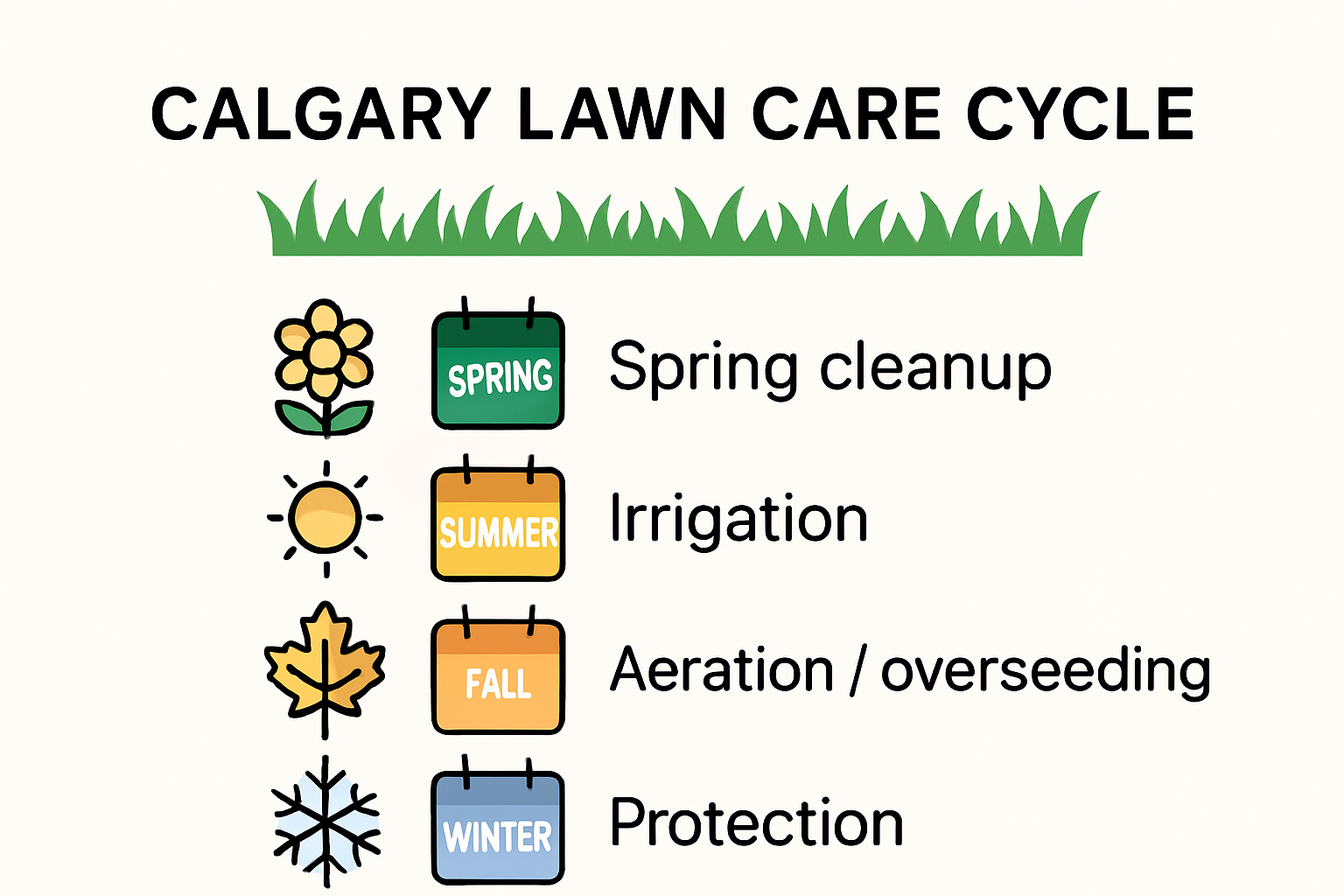
Maintaining a healthy lawn in Calgary requires strategic care throughout the year. Each season presents unique challenges and opportunities for property owners to nurture their outdoor spaces. Understanding the specific tasks required during different times of the year ensures your lawn remains vibrant, resilient, and aesthetically pleasing.
Seasonal Lawn Maintenance Strategy
According to Rutgers University Extension, professional lawn care involves a comprehensive approach that adapts to seasonal variations. Calgary’s distinct climate demands meticulous planning to protect and enhance turfgrass health.
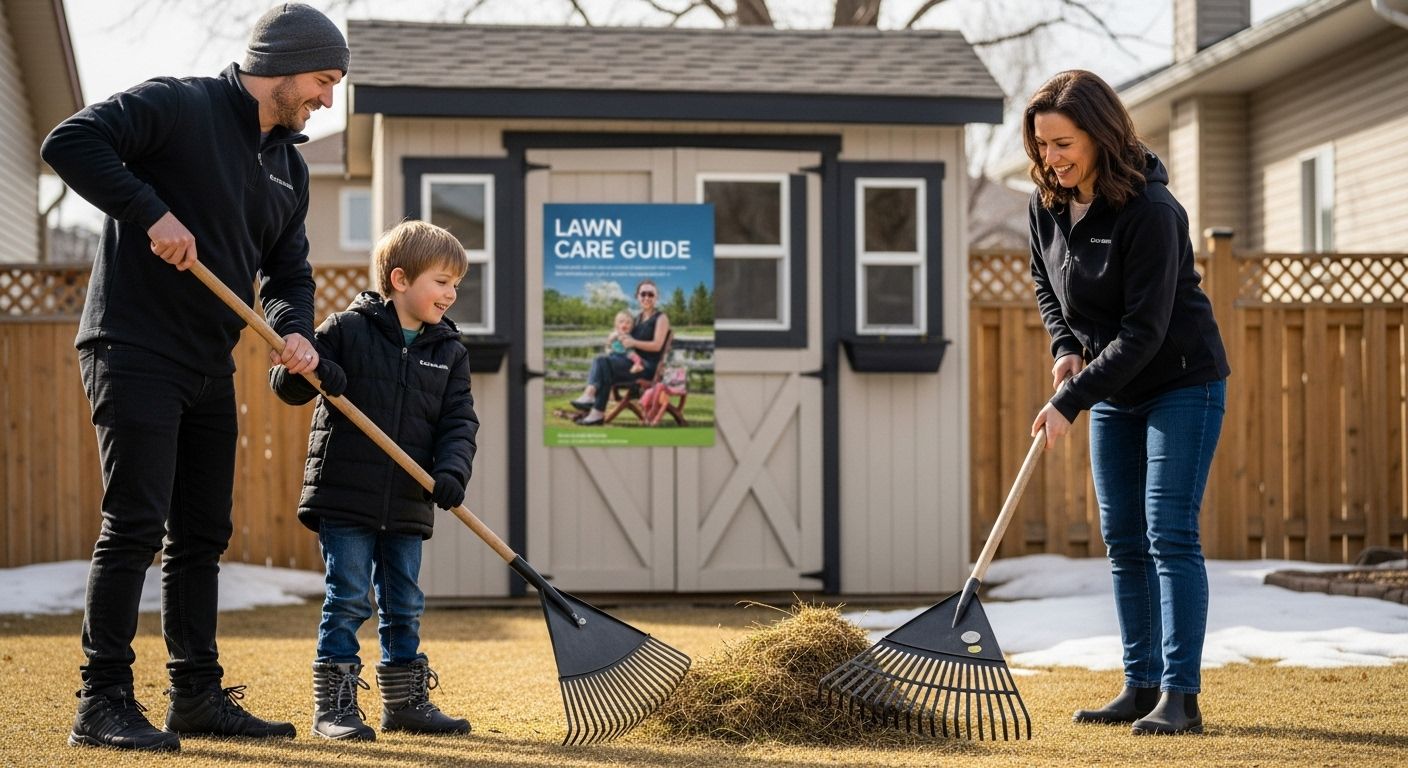
Spring represents the critical renewal period for lawns. During this time, homeowners should focus on removing winter debris, assessing potential winter damage, and preparing the ground for new growth. Core tasks include raking away dead grass, checking for soil compaction, and applying pre-emergent weed control. This early intervention prevents potential weed establishment and supports robust grass development.
Strategic Seasonal Lawn Care Techniques
Fall offers an exceptional opportunity for lawn rehabilitation and preparation for winter. Professional landscaping experts recommend focusing on aeration, overseeding, and targeted fertilization. Aeration alleviates soil compaction, allowing nutrients, water, and oxygen to penetrate deeper into the root zone. Overseeding introduces fresh, resilient grass varieties that can withstand Calgary’s challenging winter conditions.
Winter lawn care might seem counterintuitive, but proactive measures during this season protect your turf’s long-term health. Minimize foot traffic on frozen grass to prevent damage, and avoid piling snow in concentrated areas that could create dead zones or fungal growth. Proper snow removal techniques prevent potential lawn stress and support faster spring recovery.
Annual Lawn Care Cycle Optimization
Successful lawn maintenance requires a holistic, year-round approach. Each seasonal transition demands specific interventions that build upon previous care strategies. By understanding the unique requirements of Calgary’s climate, property owners can develop a comprehensive lawn care plan that promotes healthy, attractive outdoor spaces.
Remember that consistent, targeted care yields the most significant results. Investing time and resources into seasonal lawn maintenance not only enhances your property’s aesthetic appeal but also increases its overall value and resilience against environmental challenges.
Here is a table summarizing key tasks for Calgary lawn care by season, to help you plan effective interventions throughout the year:
| Season | Key Tasks | Purpose/Outcome |
|---|---|---|
| Spring | Remove debris, assess winter damage, rake, pre-emergent weed control | Prepares lawn for new growth, supports robust grass and weed prevention |
| Summer | Deep, infrequent watering, maintain mowing height | Develops deep roots, reduces heat stress, maintains health |
| Fall | Aeration, overseeding, targeted fertilization | Relieves compaction, introduces hardy grass, adds nutrients |
| Winter | Minimize lawn traffic, avoid snow piles on grass | Prevents freeze-damage, supports faster spring recovery |
Custom Lawn Strategies for Calgary’s Climate
Calgary’s unique climate presents distinctive challenges for lawn maintenance, requiring specialized strategies that account for extreme temperature variations, limited precipitation, and short growing seasons. Developing a nuanced approach to lawn care ensures resilience and aesthetic appeal throughout the year.
Understanding Calgary’s Turfgrass Ecosystem
Cool-season grasses dominate Calgary’s residential landscapes, demanding precise management techniques. According to the University of Missouri Extension, nitrogen fertilization plays a critical role in maintaining these grass varieties. The region’s climate necessitates strategic nutrient applications that support grass health during short, intense growing periods.
The primary grass species thriving in Calgary include Kentucky bluegrass, perennial ryegrass, and fine fescue blends. These varieties demonstrate remarkable adaptability to temperature fluctuations, but require targeted care to maintain optimal performance. Homeowners must consider soil composition, drainage characteristics, and microclimatic conditions when developing lawn management strategies.
Seasonal Adaptation and Nutrient Management
University of Illinois Extension recommends a comprehensive fall lawn rehabilitation approach specifically designed for cool-season grass environments. In Calgary, this translates to focused interventions that prepare turf for harsh winter conditions and support robust spring regeneration.
Nutrient management becomes particularly crucial during transition periods. Late summer and early fall represent optimal windows for fertilization, allowing grass to build root reserves and enhance winter hardiness. Specialized fertilizer blends with higher potassium content help improve cold tolerance and disease resistance. Calcium and magnesium supplementation can further strengthen grass cellular structures, enabling better stress management.
Precision Irrigation and Moisture Conservation
Water management represents a critical component of Calgary lawn care strategies. The region’s limited precipitation and potential drought conditions demand sophisticated irrigation techniques. Homeowners should implement smart watering practices that prioritize deep, infrequent watering over frequent, shallow applications. This approach encourages deeper root development and improves overall grass resilience.
Moisture conservation techniques include selecting drought-tolerant grass varieties, implementing strategic mulching, and utilizing soil amendments that enhance water retention. Organic matter incorporation and periodic aeration help improve soil structure, allowing better water penetration and reducing surface runoff.
Successful lawn management in Calgary requires a holistic, adaptive approach that responds to the region’s challenging environmental conditions. By understanding local ecological dynamics and implementing targeted care strategies, property owners can cultivate vibrant, healthy lawns that withstand extreme temperature variations and limited growing windows.
Below is a table comparing Calgary’s main turfgrass species, highlighting their unique characteristics and care requirements:
| Grass Species | Adaptability to Calgary Climate | Key Benefits | Special Care Notes |
|---|---|---|---|
| Kentucky Bluegrass | High – tolerates cold, some drought | Dense, lush appearance | Needs frequent fertilization, regular mowing |
| Perennial Ryegrass | Moderate – strong cold tolerance | Quick germination, repairs damaged patches | Prefers good drainage; may need overseeding |
| Fine Fescue Blends | High – handles shade and drought | Low-maintenance, shade tolerant | Avoid overwatering; suited for low-traffic areas |
Commercial and Community Property Maintenance Tips
Commercial and community properties require sophisticated lawn maintenance strategies that differ significantly from residential approaches. These large-scale landscapes demand comprehensive planning, specialized equipment, and systematic care to maintain aesthetic appeal and functional integrity throughout Calgary’s challenging seasonal transitions.
Strategic Landscape Management Frameworks
Seasonal landscape maintenance experts emphasize the importance of proactive planning for commercial properties. Property managers must develop comprehensive maintenance schedules that anticipate seasonal challenges and allocate resources efficiently.
Large-scale properties benefit from integrated maintenance approaches that consider multiple factors. Site-specific assessments help identify unique environmental conditions, traffic patterns, and microclimatic variations that influence lawn health. Professional property managers should conduct thorough initial evaluations to create customized maintenance protocols that address specific landscape requirements.
Advanced Maintenance Techniques
Commercial lawn care specialists recommend implementing systematic care protocols that go beyond traditional residential lawn maintenance. This includes utilizing specialized equipment designed for large-area management, implementing precision irrigation systems, and developing targeted nutrient management strategies.
Technological integration plays a crucial role in modern commercial landscape maintenance. Advanced monitoring systems can track soil moisture, detect early signs of stress, and provide real-time data for immediate intervention. GPS-enabled equipment and digital management platforms enable more efficient resource allocation and precise maintenance scheduling.
Seasonal Intervention Strategies
Comprehensive property maintenance guides highlight the importance of targeted seasonal interventions. Spring requires focused debris removal, soil assessment, and pre-emergent weed control. Summer demands careful irrigation management and stress mitigation techniques. Fall presents opportunities for aeration, overseeding, and nutrient replenishment, while winter requires protective strategies to minimize landscape damage.
Community properties and commercial landscapes must also consider additional factors such as traffic tolerance, aesthetic consistency, and budget constraints. Selecting appropriate grass varieties that can withstand high-use areas, implementing strategic planting designs, and developing multi-year maintenance plans become critical for long-term landscape sustainability.
Successful commercial and community property maintenance requires a holistic approach that balances scientific precision with practical implementation. By integrating advanced technologies, understanding local environmental conditions, and developing comprehensive care strategies, property managers can create resilient, attractive landscapes that enhance property value and community aesthetics.
Pro Tips for Lasting Curb Appeal Year-Round
Creating a visually stunning lawn that maintains its appeal throughout Calgary’s challenging seasonal transitions requires strategic planning and consistent maintenance. Professional landscapers understand that curb appeal goes beyond occasional maintenance, demanding a comprehensive and proactive approach to lawn care.
Precision Lawn Management Techniques
University of Minnesota Extension recommends a meticulously timed approach to lawn maintenance. Timing becomes critical when managing turfgrass health and aesthetic quality. Avoiding early spring fertilization prevents premature growth, while strategic weed control minimizes potential lawn damage.
Mowing practices play a significant role in maintaining visual appeal. Experts suggest maintaining grass height between 2.5 to 3 inches, which promotes robust root development and creates a dense, uniform appearance. Regular mowing with sharp blades ensures clean cuts that prevent grass stress and potential disease transmission. Alternating mowing patterns prevents soil compaction and encourages more even growth.
Seasonal Aesthetic Enhancement Strategies
University of Illinois Extension highlights the importance of fall interventions for maintaining year-round curb appeal. Aeration and overseeding represent crucial techniques for addressing thin or damaged lawn areas. By introducing new grass varieties during optimal growing windows, homeowners can regenerate lawn density and color uniformity.
Nutrient management becomes a critical component of aesthetic lawn maintenance. Applying targeted nitrogen fertilizers between late summer and early fall supports grass recovery and prepares turf for winter dormancy. Mulching grass clippings and fallen leaves returns essential nutrients to the soil, promoting healthier, more vibrant grass growth.
Advanced Soil and Turf Health Optimization
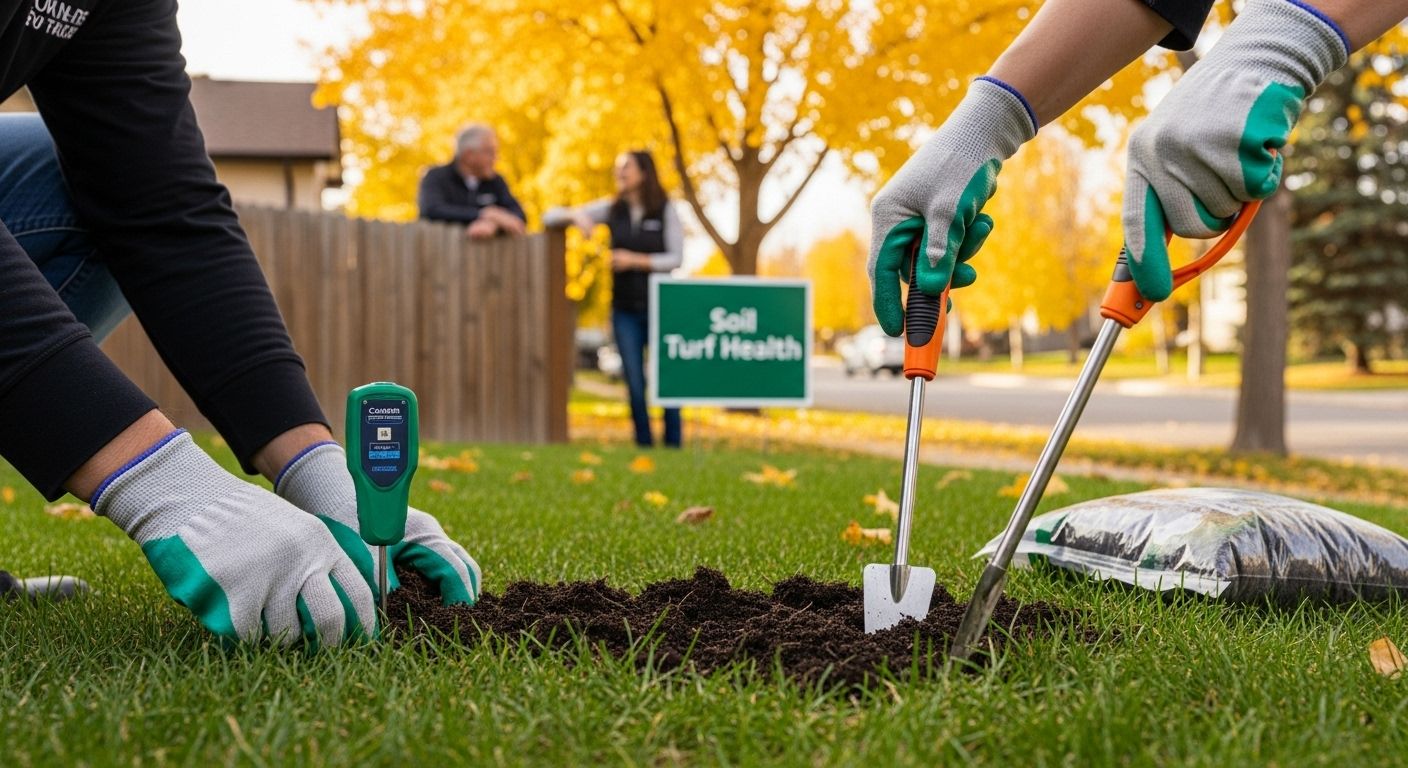
Penn State Extension emphasizes the significance of soil health in maintaining exceptional lawn appearance. Monitoring and adjusting soil pH between 6.0 and 7.0 creates an optimal growing environment for turfgrass. Regular soil testing helps identify potential nutrient deficiencies and allows for precise amendments.
Dethatching becomes essential when organic matter accumulation exceeds one inch, preventing water and nutrient absorption. Aeration during cooler periods alleviates soil compaction, improving root development and overall lawn resilience. These advanced techniques not only enhance lawn aesthetics but also contribute to long-term turf health.
Successful curb appeal requires a holistic approach that combines scientific understanding with consistent, targeted maintenance. By implementing professional-grade strategies and adapting to Calgary’s unique environmental conditions, property owners can cultivate lawns that remain visually striking throughout the year.
Frequently Asked Questions
What are the key tasks for lawn care in Calgary during spring?
Spring lawn care in Calgary involves removing debris, assessing winter damage, raking, and applying pre-emergent weed control. These tasks prepare the lawn for new growth and support robust grass development.
How often should I water my lawn in the summer?
In the summer, it’s best to water your lawn deeply and infrequently. This practice encourages deeper root systems and reduces heat stress on the grass during hot months.
Why is fall aeration and overseeding important for my lawn?
Fall aeration relieves soil compaction and allows nutrients and water to penetrate deeper into the root zone, while overseeding introduces hardy grass varieties that can withstand winter conditions, promoting better recovery in spring.
How can I maintain my lawn’s health during winter?
To maintain lawn health during winter, minimize foot traffic on frozen grass and avoid piling snow in concentrated areas. These practices prevent damage and support quicker recovery as temperatures rise in spring.
Protect Your Calgary Lawn with Professional, Year-Round Care
You already know how unpredictable Calgary’s climate can harm your lawn. The article highlights issues like patchy grass, winter damage, drought stress, and the headaches of timing each season’s tasks. Trying to manage deep watering, aeration and cleanups all by yourself can feel overwhelming and it is easy to fall behind. Without a precise seasonal plan, healthy curb appeal and lasting results often seem just out of reach.

At Ace Landscapes, we turn that yearly struggle into effortless success. Our team has the Calgary expertise to handle every aspect of seasonal lawn care, from spring cleanups and precision irrigation to fall aeration and reliable winter support. Whether you need a one-time transformation or ongoing property maintenance, our professionals are ready to help you enjoy a beautiful and resilient lawn in every season. Do not let another year of uncertainty damage your property’s potential. Visit Ace Landscapes today to request a free quote or schedule a consultation. Your next lush, green lawn is only a click away.